

Late Season Limbo: Understanding Elaborate Lake Contour to Offer E-Z Pickins
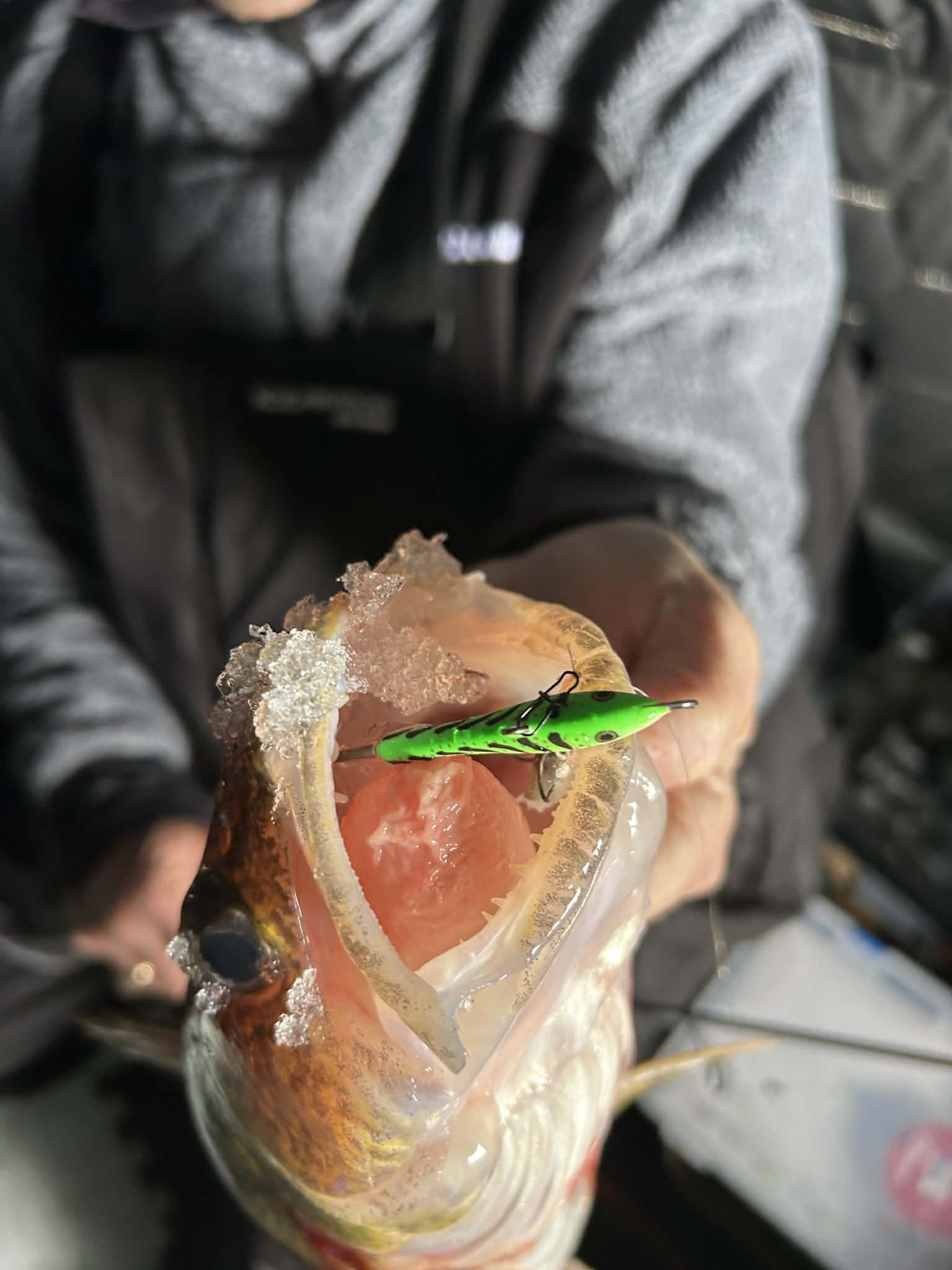
Above: Barotrauma can be seen in this walleye after being caught from the depths.
It has been one of the best winters in a very long time for ice fishing. By the looks of it, thick ice is going to be around for another couple of weeks across the north. This is a unique time of the year where fish can still be caught, but factors such as oxygen, metabolism, migration, and contour come into consideration.
It may seem like the clock is ticking on the last window of proper ice fishing, so many anglers are heading north to get their fix before the spring thaw. Lakes in this region are vivid with details that have left an influence after being carved out by glaciers. Factors such as contour, clear water, light refraction, and sheer size leave many to wonder Where do I go? And what do I do?
Where to look:
During this time of year, begin by looking at the basin of the lake- this is where the main body of the lake holds the most water in surface and in depth. Fish are going to be looking at coming out of their wintering areas and begin to stage closer to where they will recuperate and spawn come springtime. Fishing this transition throughout late winter and ice conditions may call for fishing from the depths to the shallows, all depending on the contour set up of the lake and where the fish are staging.
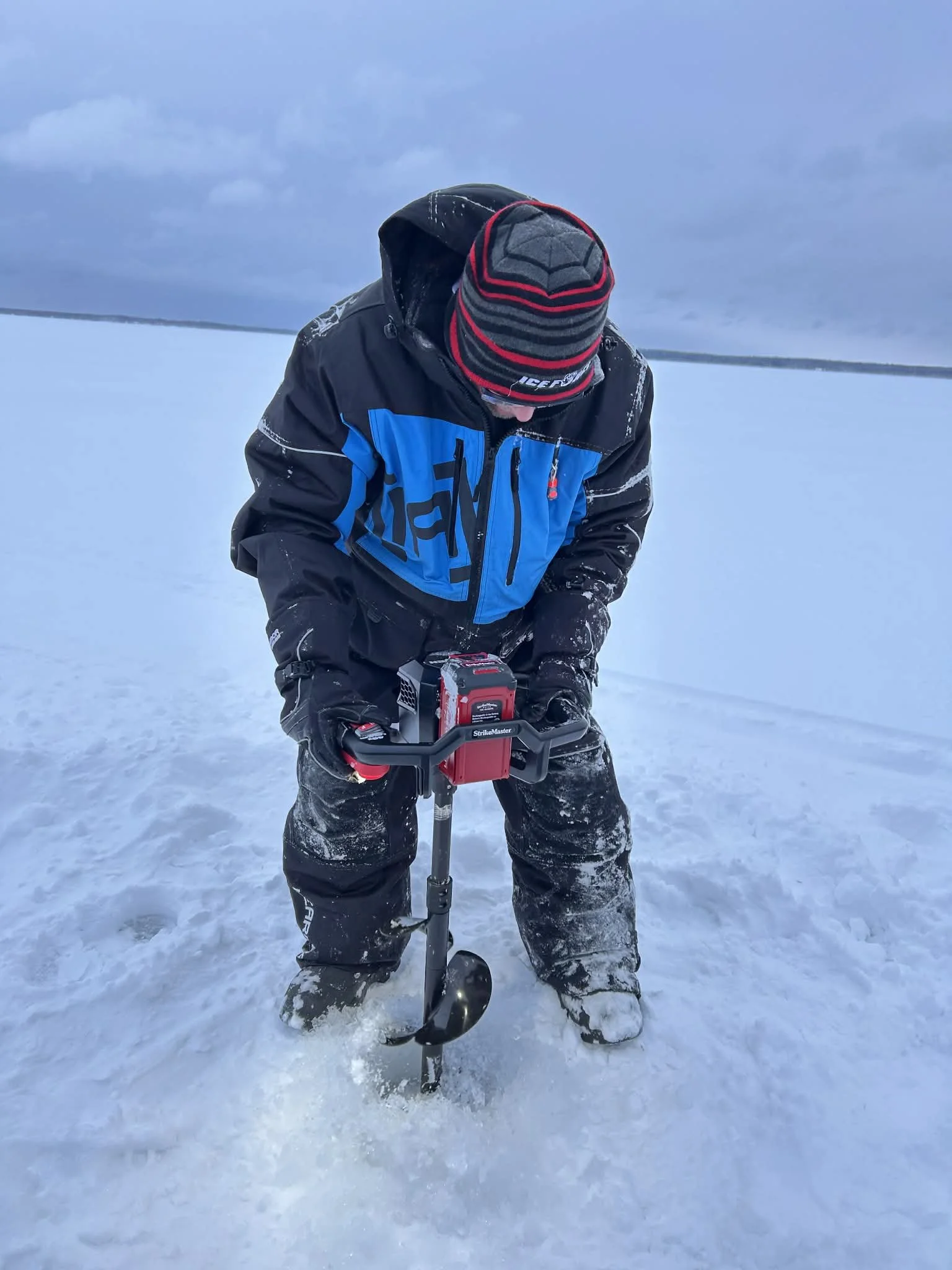
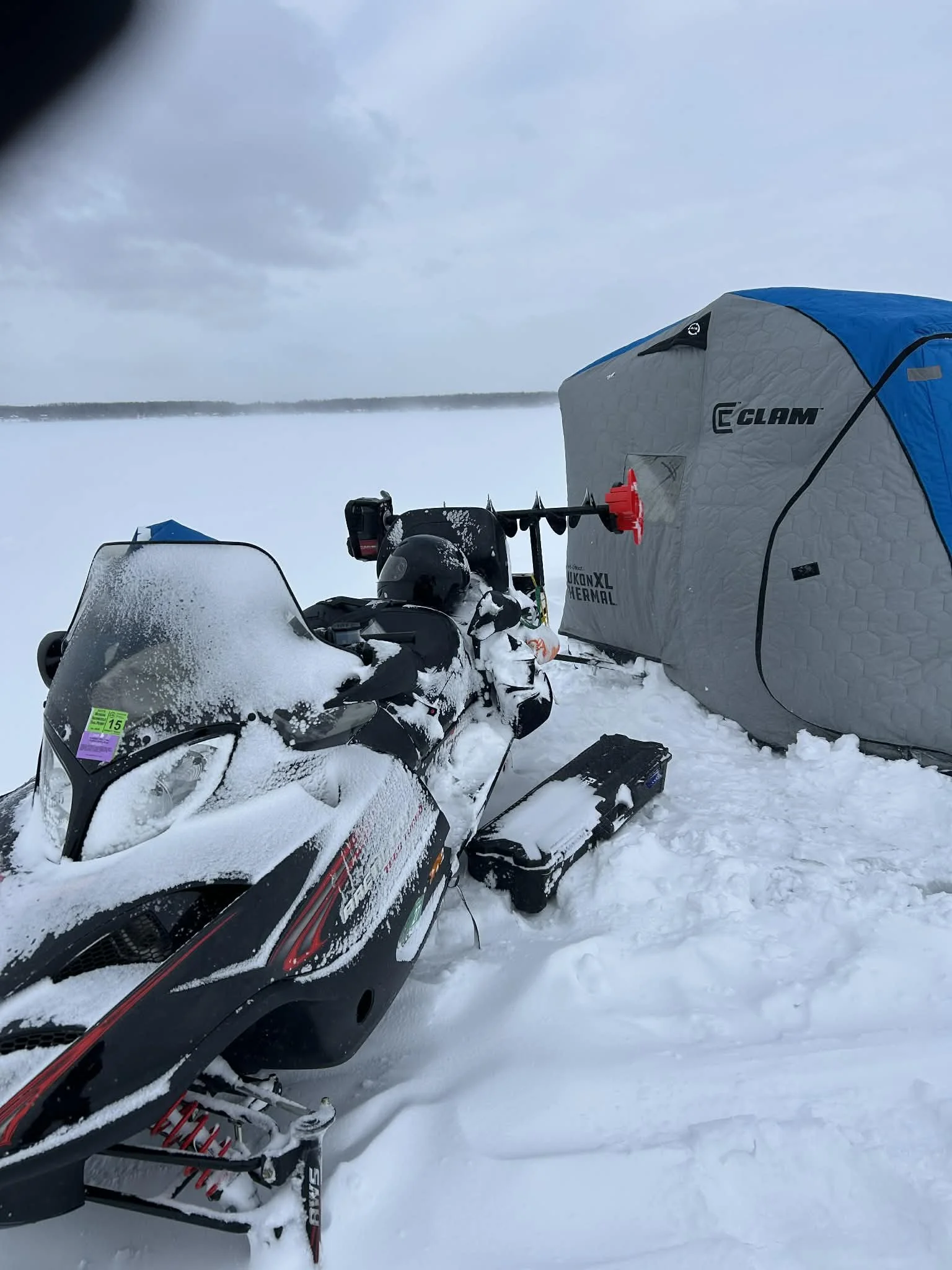
Getting set up on the right spot is critically important anywhere you fish, especially in the late season.
Not all fish will be moving at once and they certainly do not run random routes to where they need to go. Their migration paths will follow a defined route. Walleyes during this late winter, pre-spawn time use long tapering contours as highways. When fish are staging they can use steeper vertical breaks during feeding windows to get to bait. Think of fish on deep lakes like these during this time to “take a steady highway” to where they need to go and using vertical steeper climbs to get food. No matter the species of gamefish, they will not go from deep to shallow in one push. The migration to where they will eventually spawn is done in stages. They will move, eat, sit around often on the first major break, and continue, like they are climbing a giant ladder up the lake.
Be mindful of not only where you are fishing, but what you are fishing around as well. Clay, sand, rocks, shale, and vegetation, all need to be considered. Bait fish
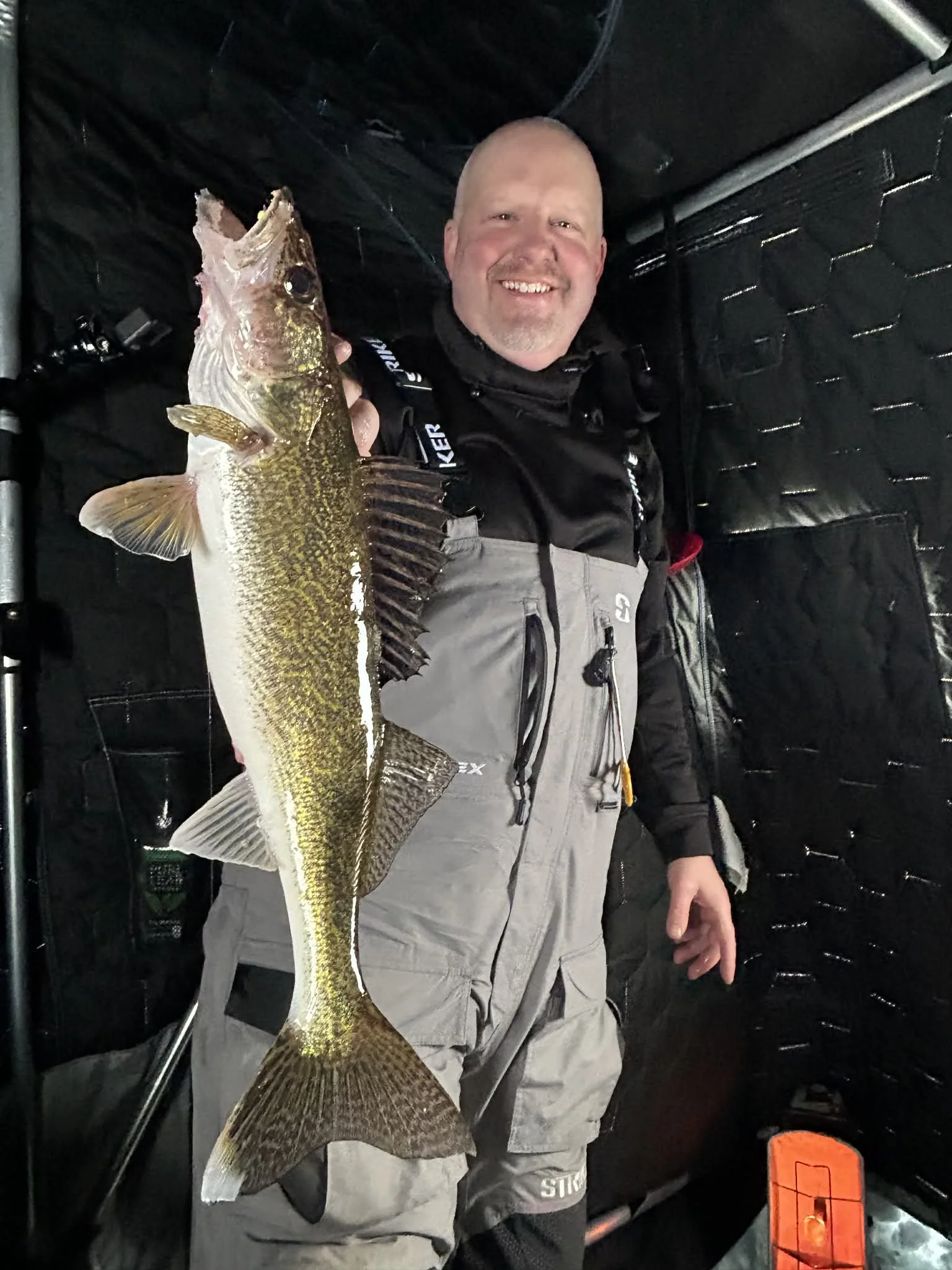
Mr. Chris Carroll shows off a magnificent late-winter walleye he caught when set up on a migration route.
On transitions, be on the look out for where one habitat meets another. This could be where mud meets gravel, where sand meets rock, there the bottom goes from soft to hard, or where a flat comes to a breakline. No matter how small or insignificant it may appear, fish use these seams like they are following an underwater trail.
Look at the bottom transitions to find where life is congregating. While most of the lake floor is just soft muck, fish hunt for "hard spots" like clay, sand, or rock. These spots hold more oxygen and house the bugs and crawfish that stay active in the cold. When you find a patch of shale or a firm bottom in an otherwise muddy area, you've found the magnet that pulls everything in.
Baitfish are the final piece of the puzzle because they use these bottom changes to bunch up and stay protected. In late winter, schools of prey or minnows will hug the edges where the vegetation dies off and hits the hard floor. If you can find the exact seam where the material shifts, you’ll find the predators waiting right there on the transition. Deep lakes will offer more of a variety when it comes to fish diversity. Gamefish, such as walleye, whitefish, and others, can be keyed in on eating smelt, small perch, and cisco to name a few. Just because it is deep, doesn’t mean there is no bait out there. Vast deep lakes will have colonies of fish that never come shallow or explore the water column.
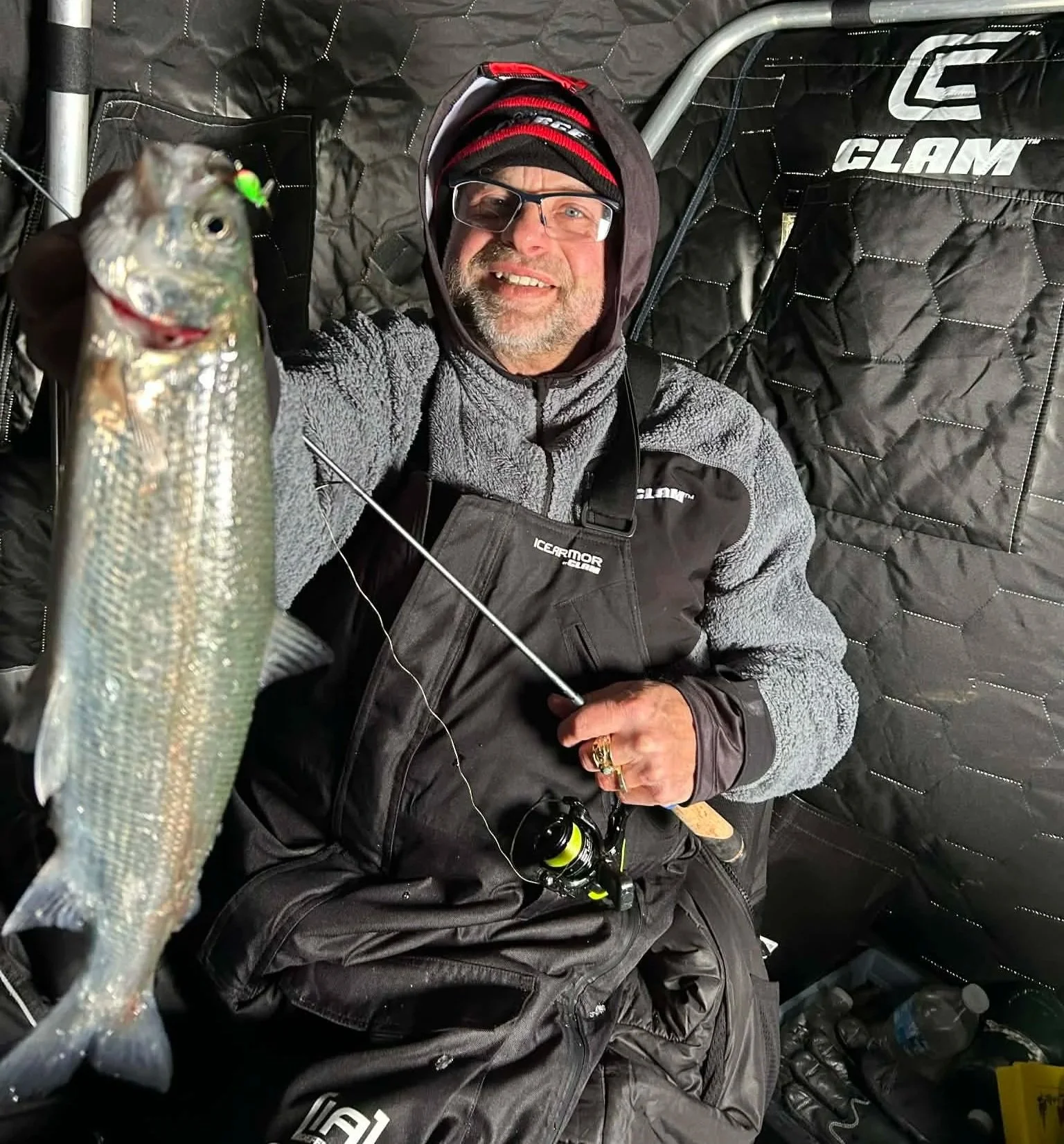
Hall of Fame angler, Mark Martin, preaches his knowledge and experience on fishing high-potential areas.
What to do:
Like in all things fishing, adjustments need to be made throughout a season. How they fed several weeks earlier is not how it is going to happen now. Snap-jigging is an aggressive method to call in and trigger fish into feeding that could be the first key to unlocking this bite with one twist- leaving the bait on the bottom for easy pickins.
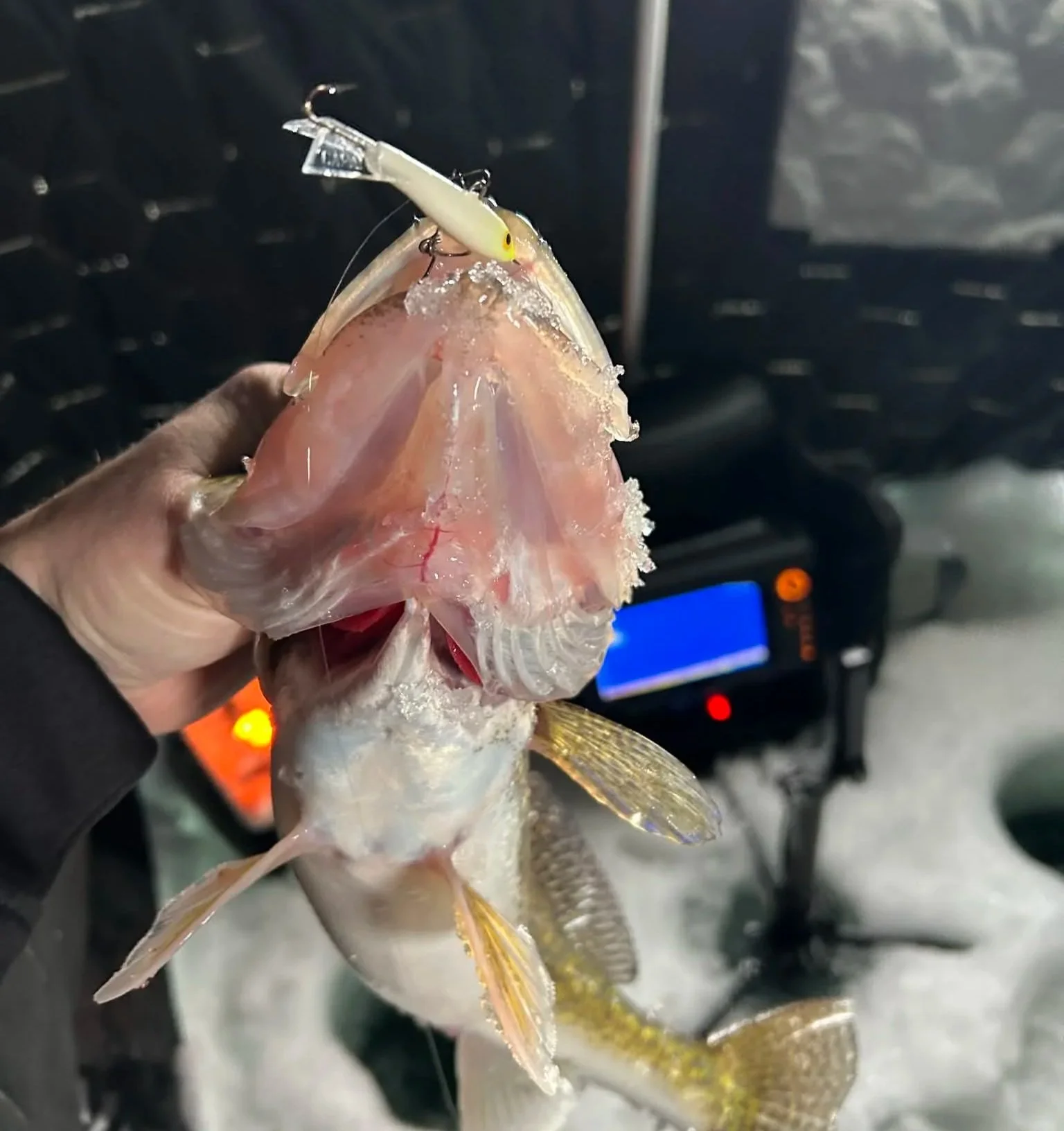
As fish, like this walleye, pick bait off of the bottom, they ‘nip’ at it and often become hooked near their snout.
On their biological clock, fish become aware that their time for annual spawning is near. Not today or tomorrow, but it is on the horizon. For perch or walleye, they have a balancing act of fulfilling the need to consume calories while also reserving their energy output. Remember that the oxygen is low, and these fish are sluggish to begin with. Think “I need to eat, but I can’t exert myself in the process.”
Seasoned anglers may know what snap jigging entails. It is aggressive in action that demands a response. This method is not about subtlety and little hops to kick up a cloud of silt. Hard, aggressive rips of the rod upward and allowing the bait to crash the bottom on a slack line so it takes a hard nose-dive into the bottom.
What is often the case this time of year is finding that fish will be slightly suspended or glued to the bottom. The action of an aggressive 2-foot snap calls out to let predators know that there is something going on where their next meal could be found. Pounding the bait multiple times off of the bottom will create a silt cloud effect that mimic wounded bait struggling on the bottom. What is different about this method is not suspending the bait off of the bottom but keeping it down in the dirt. Walleyes, perch, and other game fish eat a lot more off of the bottom than people may expect. While you allow the bait to fall on a slack line, it is crucial to have your line tight while the bait is sitting on the bottom. This is to ensure that you can feel the strike and the moment your bait has been picked up.
Snap-crash, Snap-crash, Snap-crash, PAUSE with the line taught to the bait sitting on the bottom.
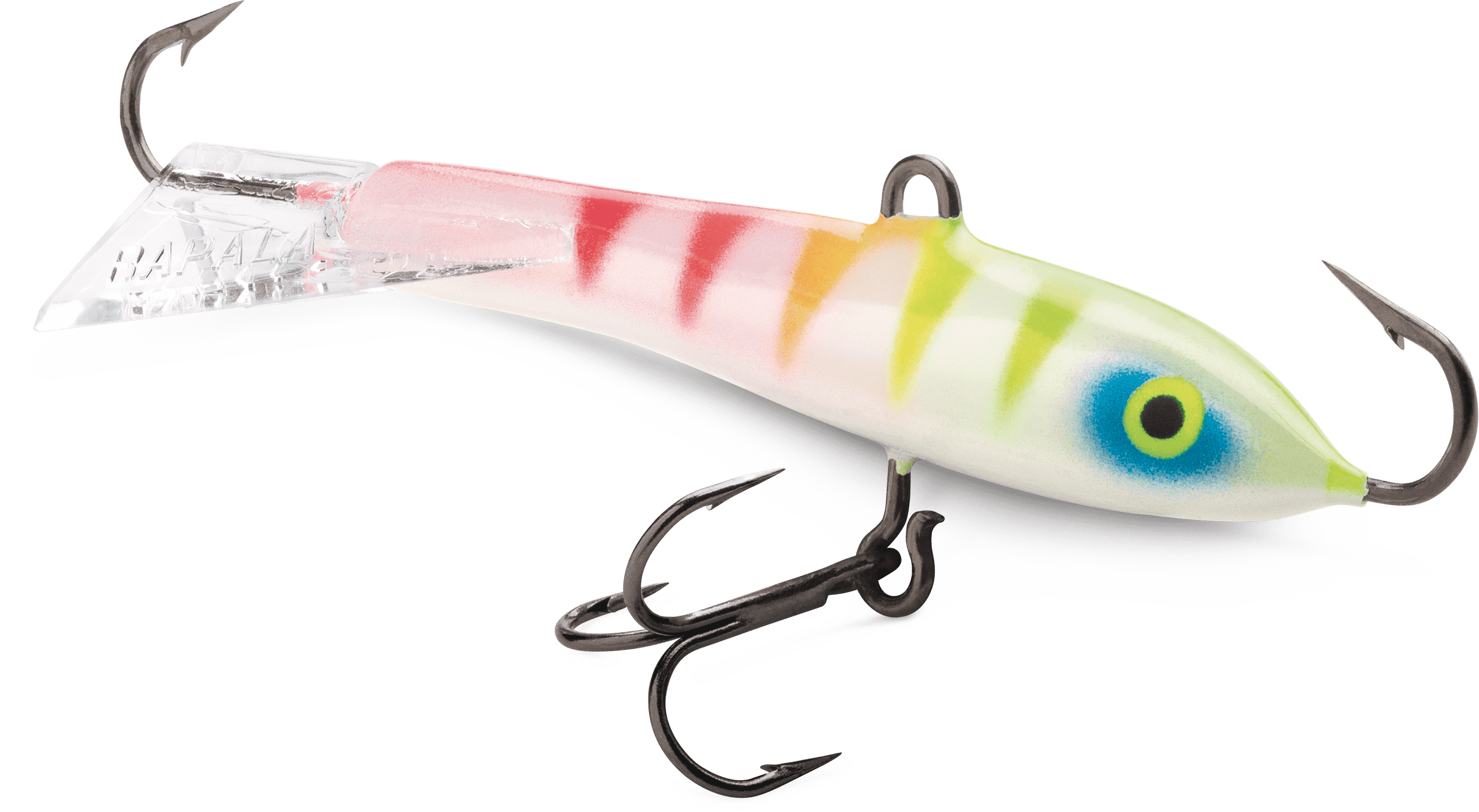
Swimming jigs, like this Jigging Rapala, imitate baitfish and have multiple hook points to connect.
Along contour seams and bottom transitions, walleye are already positioned tight to the edge and using it as a feeding lane. When you are actively fishing, especially snap jigging, the sudden lift and crashing action demands interest and offers a reaction. The appearance of a dead or struggling bait on the bottom offers easy pickings. Any bait can be snap jigged, whether it be a swimming jig, like the Rapala Jigging Rap, a spoon, a lipless crank, or regular jig head and minnow. For more on the basic jig head on the bottom, check out this article here.
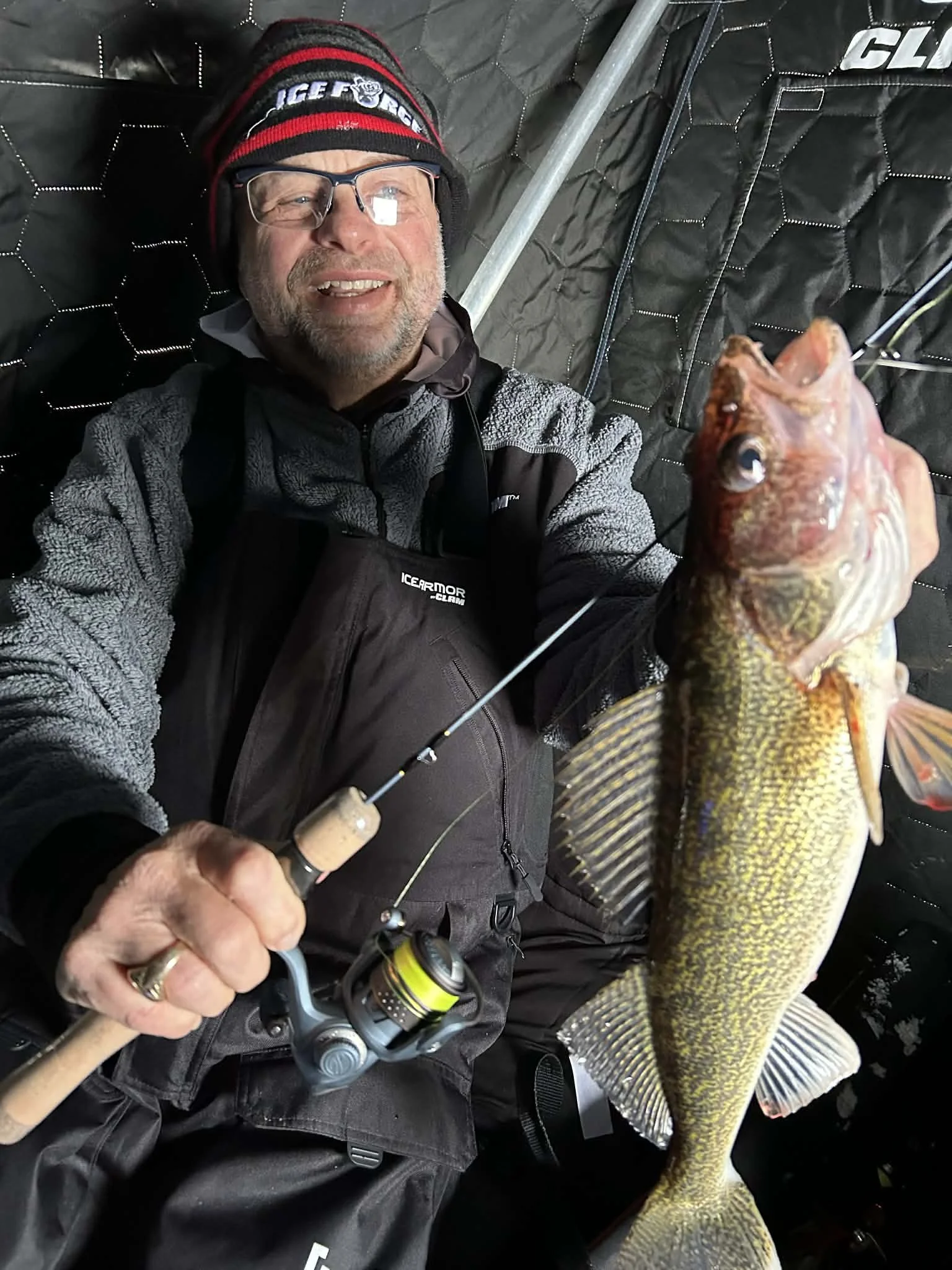
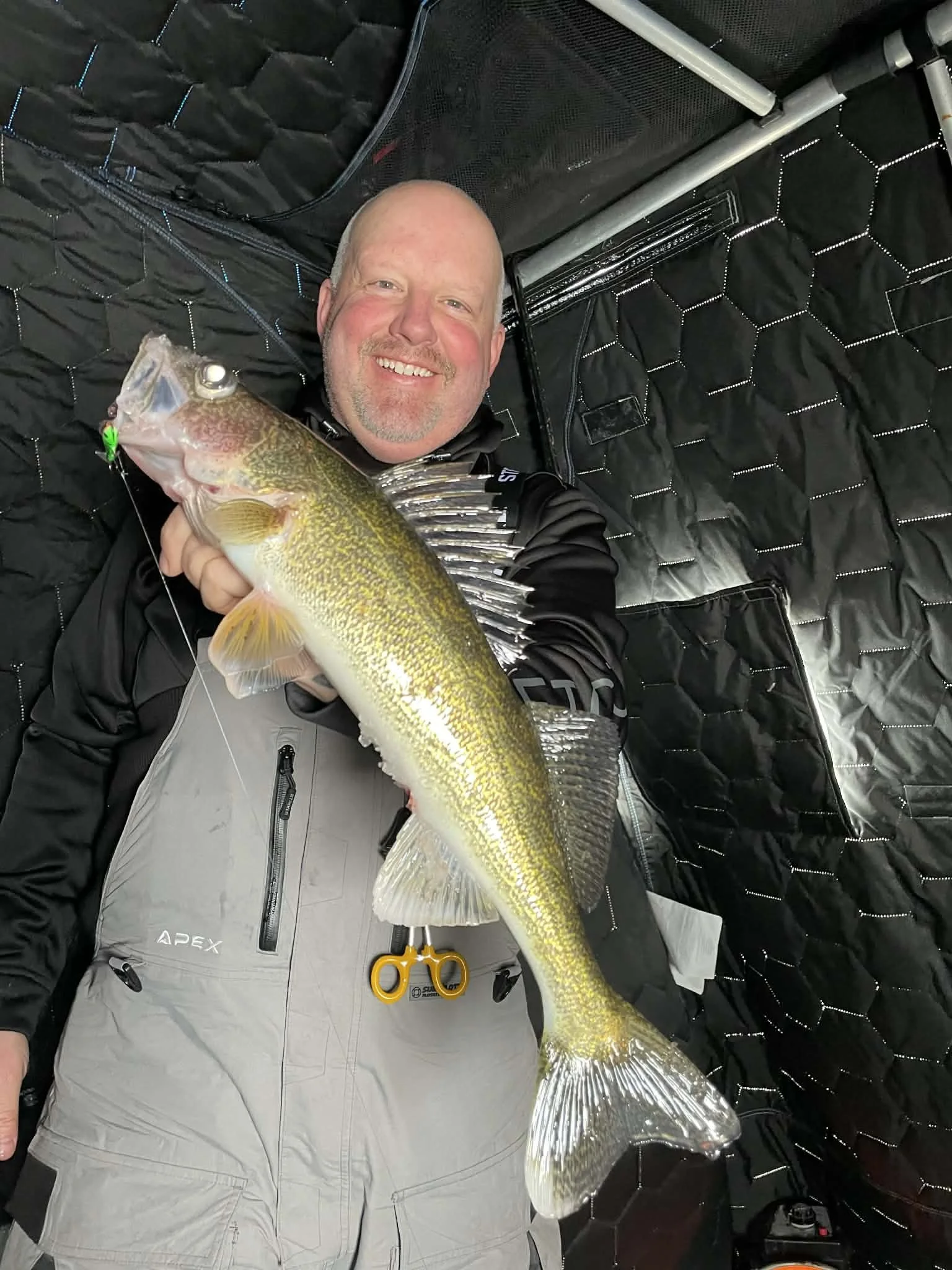
Above: Nothing beats the satisfaction of hard work paying off. The smiles say it all!
Anglers will often use a superline, like a specialized braid for ice fishing, when fishing deep. The no-stretch allows the action to keep its power and drive a hookset to connect with a fish. One thing to keep in mind with this option is to use it in the shanty where the cold doesn’t freeze memory into the line. By tying a small ball-bearing swivel to a fluorocarbon leader, your bait presentation will have the ability to swim freely without spinning the line into twists while appearing natural. Fluorocarbon is great leader material because of its material properties where it appears invisible under water by refracting light, remains highly sensitive to get the best feel, and can withstand the edges of the ice hole and some wear from teeth with its abrasion resistancy.
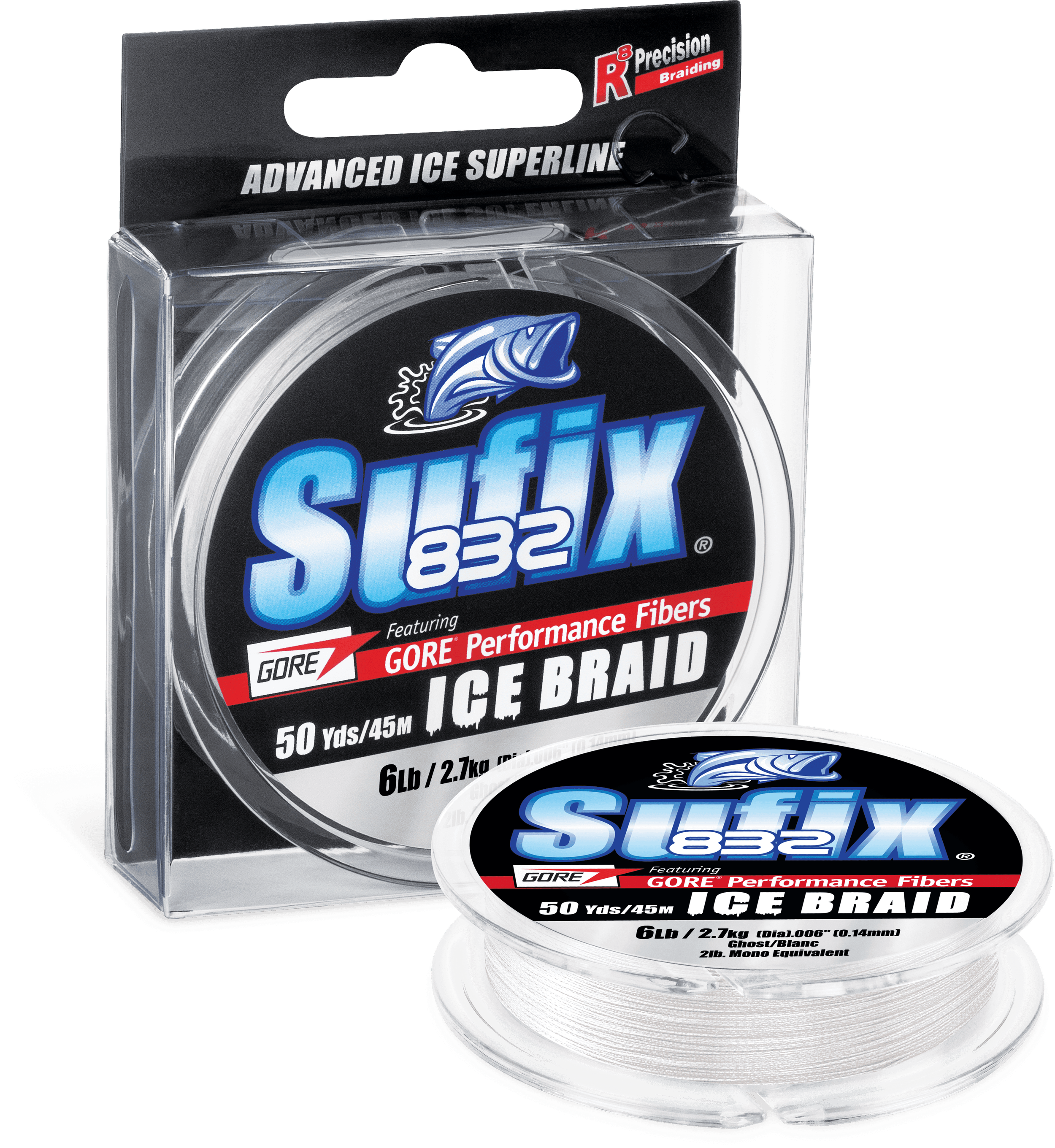

The market of fishing tackle is loaded with specialized gear, especially when it comes to ice fishing line that is designed with strength, sensitivity, and management in cold conditions in mind for ice fishing. For more, visit Sufix.com. (Photos courtesy of Rapala VMC)
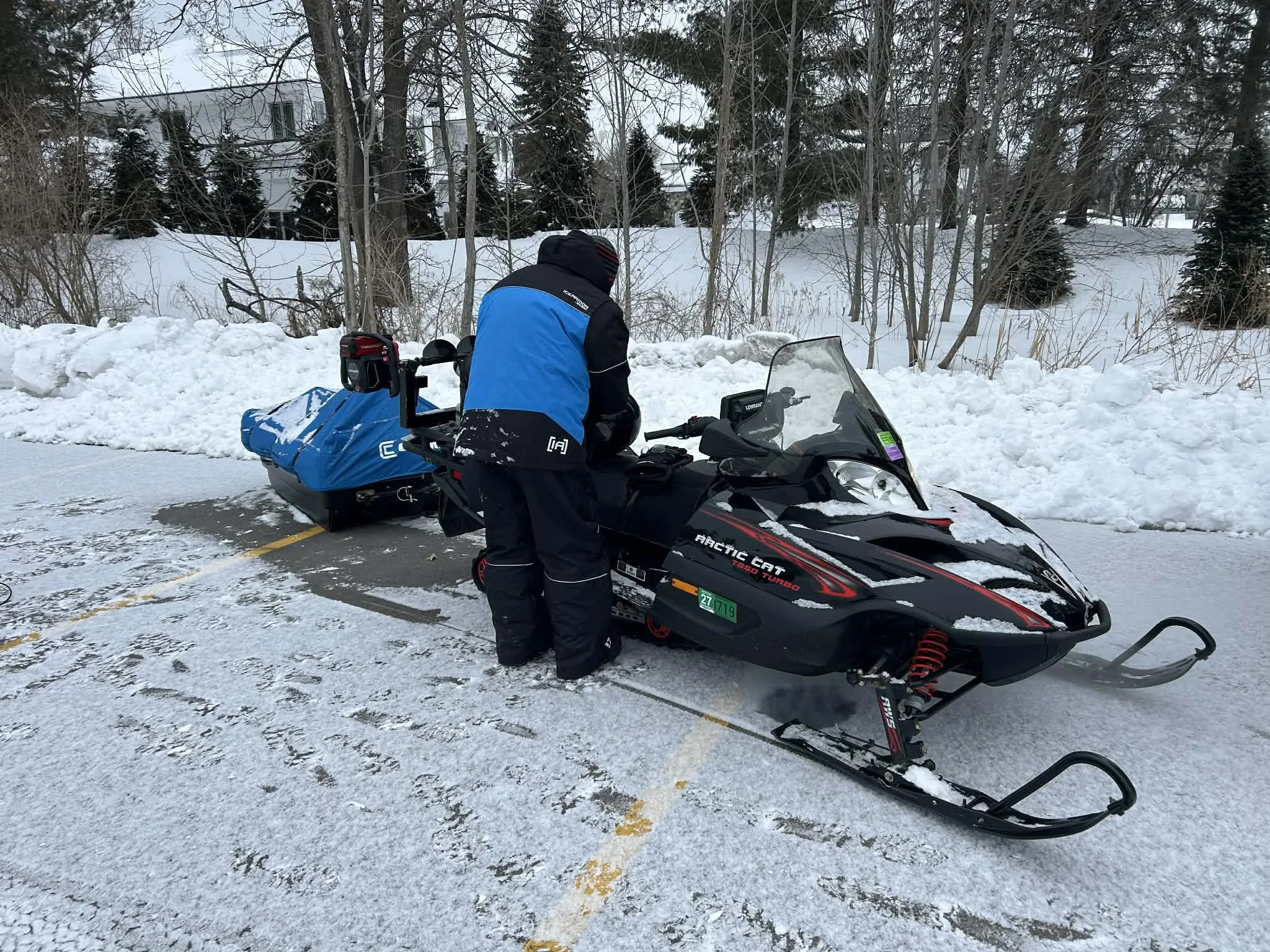
As the ice fishing season begins to close on the horizon, always practice proper and smart ice safety. Conditions can change quickly and slush can camouflage weak spots. This is the time of year where some machines may struggle more than others to return home. Bring tools, ropes, and have an emergency kit in the event you get into a sticky situation out there.
Late ice can be a stellar opportunity for catching fish on the ice when conditions line up. Be on the lookout and keep transitions, contour, and fish activity, in mind this time of year.

Visit Mullett Lake in Cheboygan, Michigan.
There are a lot of stellar lakes across the north to visit and fish. One of the Mullett Lake in Cheboygan, Michigan, is a crown jewel of a fishery that offers opportunity for anglers year-round. Being the 6th largest inland lake in Michigan, there is plenty of water to explore for adventure whether you are an ice fisherman, bass angler, walleye troller, or want to have a scenic getaway with the family.
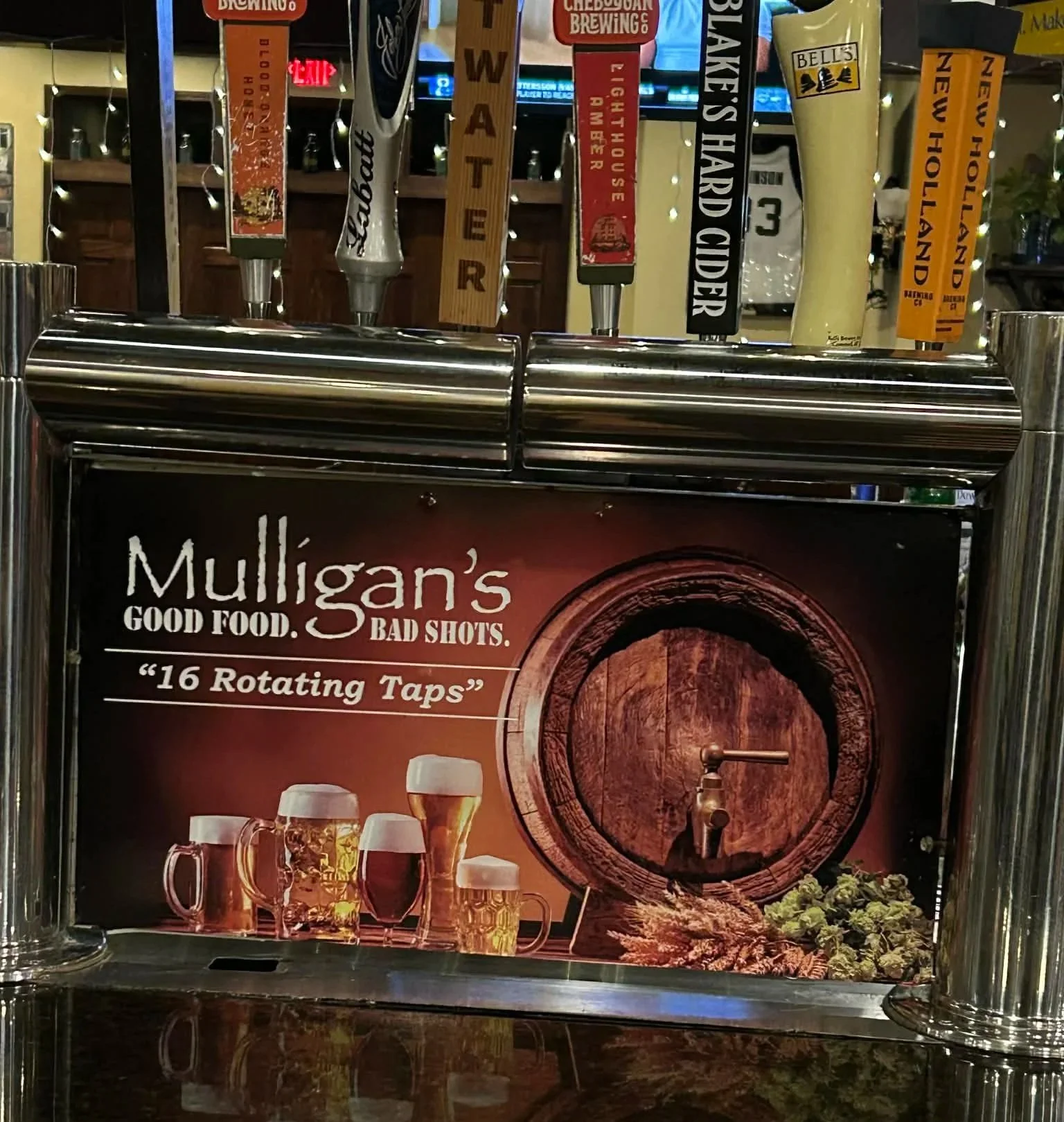
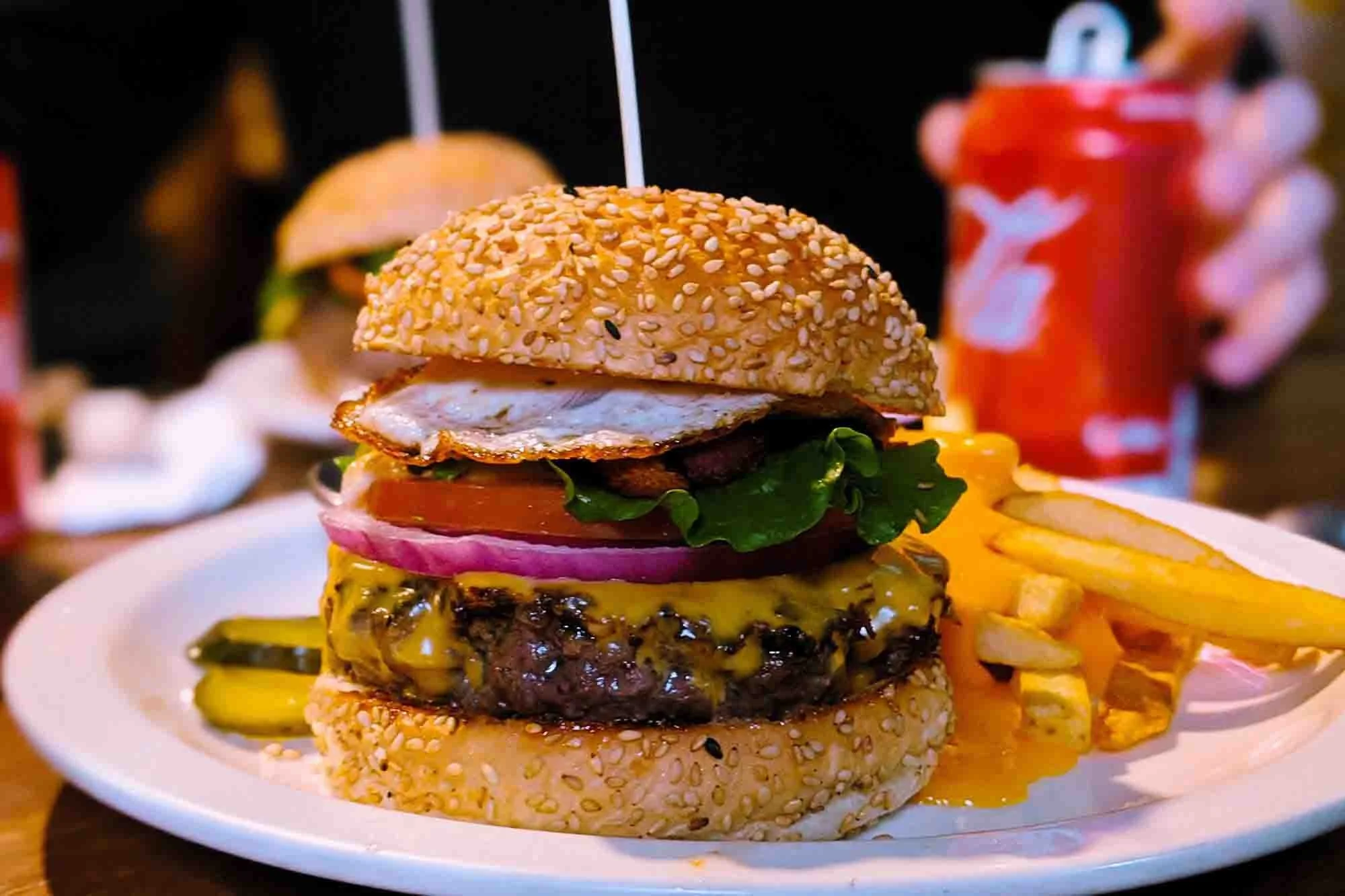
The hospitality and accommodations in the area are more than fisherman friendly, offering services to suit your needs. Start your day off strong with a good night's rest at the Best Western Inn, head to Jacks Mullett Lake Marina where you can arrange to leave snowmobile trailers overnight, fish the day away on Mullett Lake or any of the surrounding lakes. In days end, finish it all up with a great meal at Mulligans Restaurant, where you will be met by Marah and other workers for wonderful service. People rave about their famous burgers, mile-high nachos and smothered chicken. The entire menu is good!
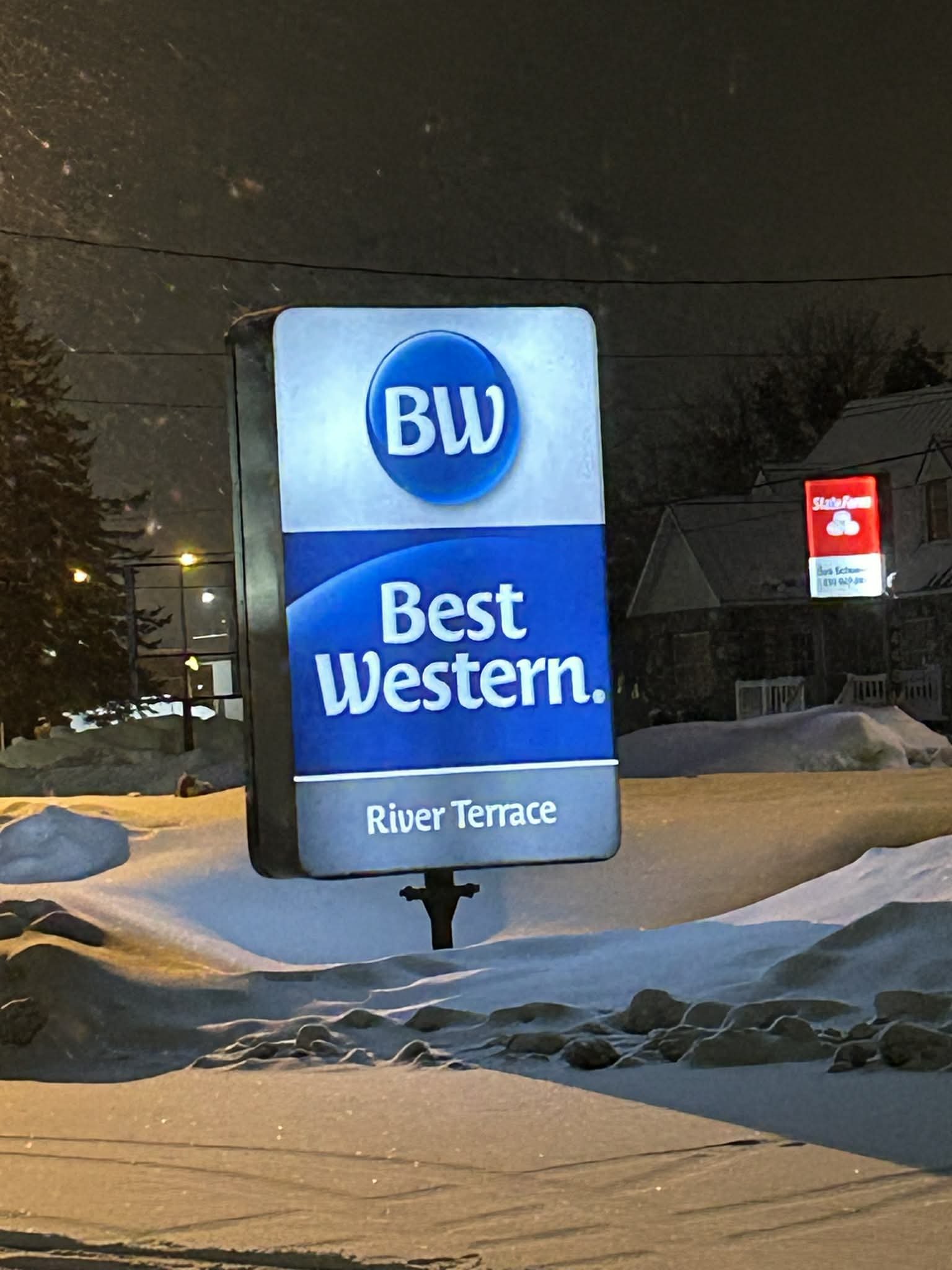
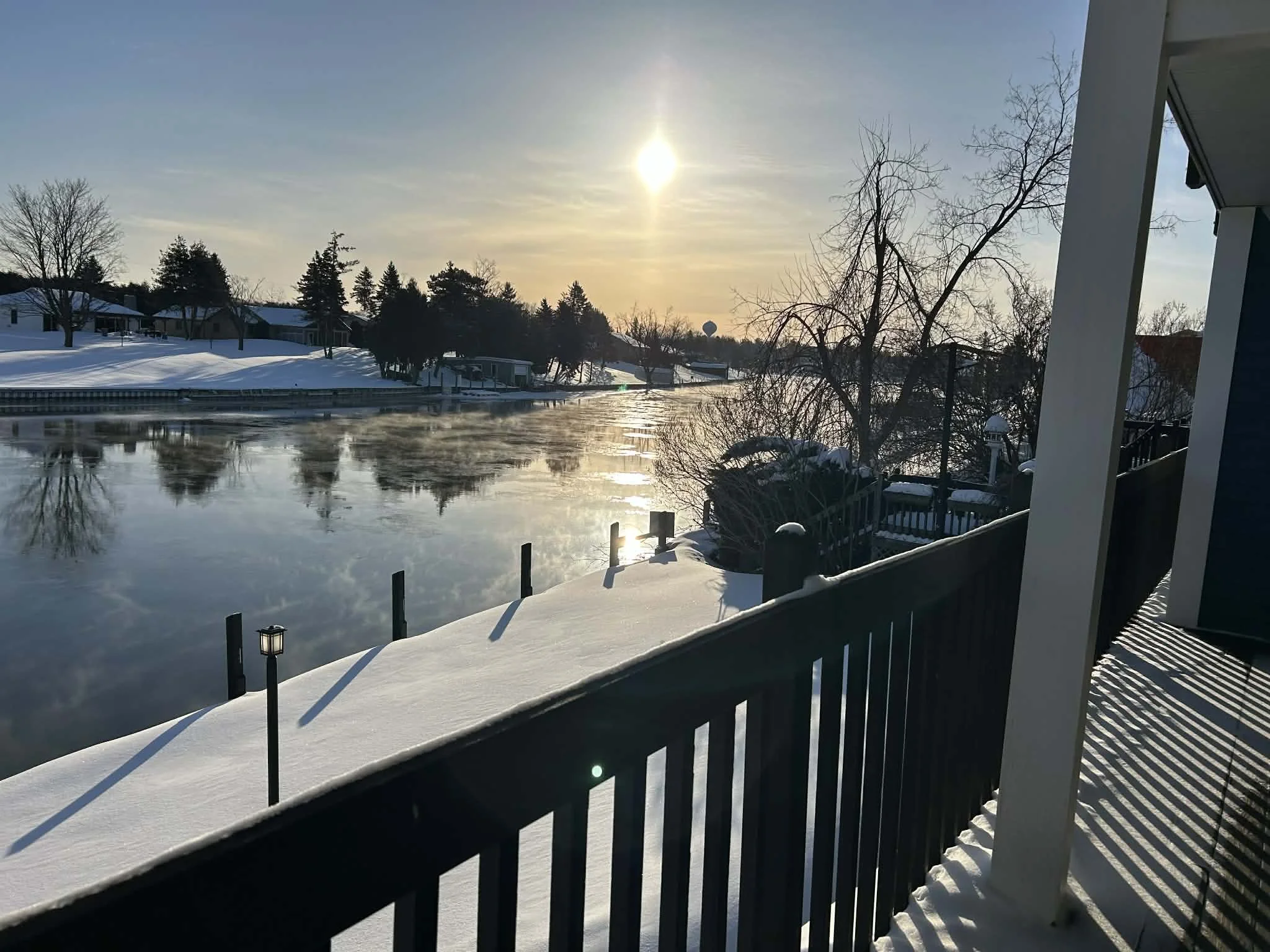

Communities like Cheboygan and others in Northern Michigan are a destination where the fishing is world-class and the local community makes you feel welcomed. So, pack your gear and plan your schedule, because places like Mullett Lake have something to offer for all travelers and outdoor enthusiasts.
A word of appreciation is shared for the Cheboygan Areas Visitors Bureau and local businesses for their hospitality, along with Chris Carroll and Mark Martin for their input regarding photos and knowledge for this article. Photos have been used with permission from the property holder. Thank you!
The contents of this article may not be shared or duplicated without permission. Foresight Fishing Media, 2026.