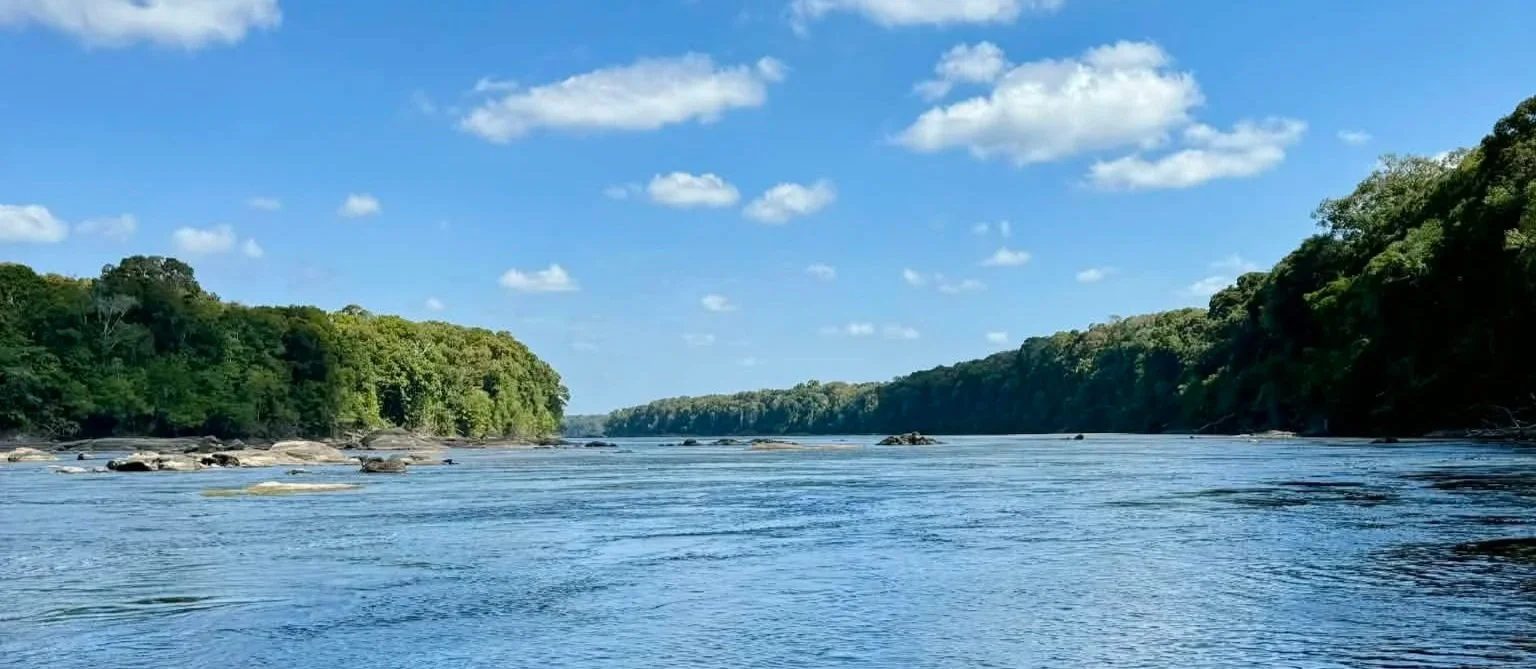
Expedition Essequibo: The Guyana Grind
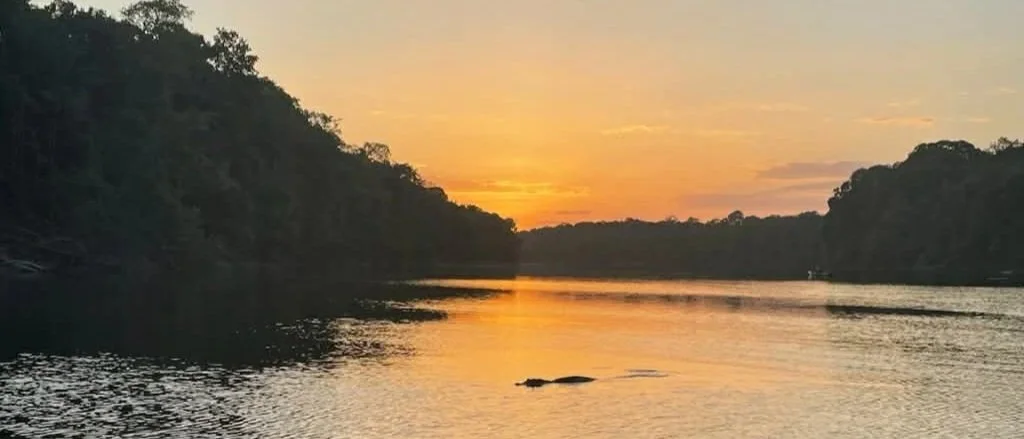
The desire to see what is out there and explore is who we are, as anglers and humans.
One way or another, mankind has always been fascinated by the jungle. There has always been an inherent draw to the mystery and wild. To seek an adventure into the wild is a part of not only the human spirit, but nature. Perhaps these are traits remnant from our primate ancestors that lived amongst the trees over one million years ago.
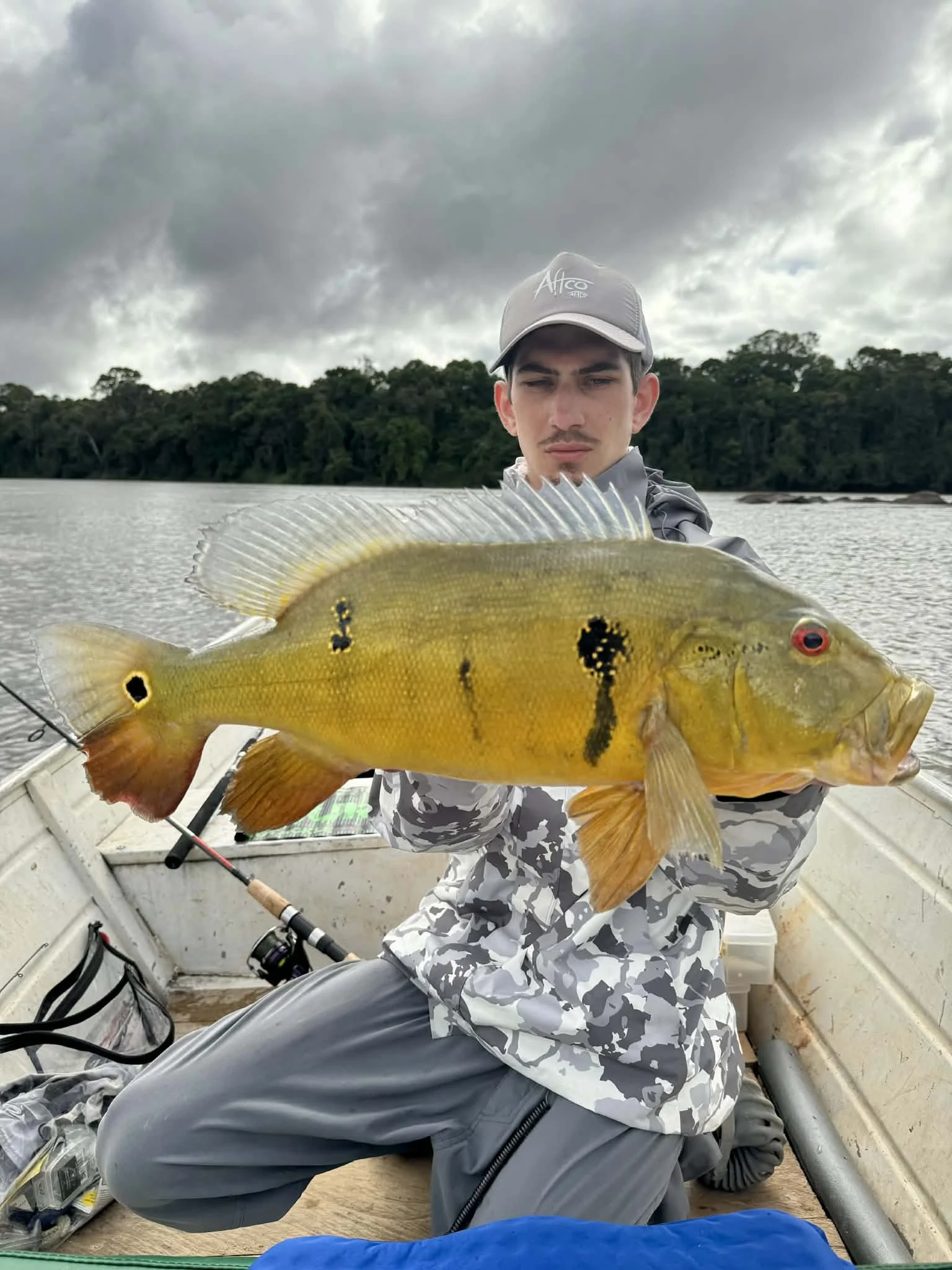
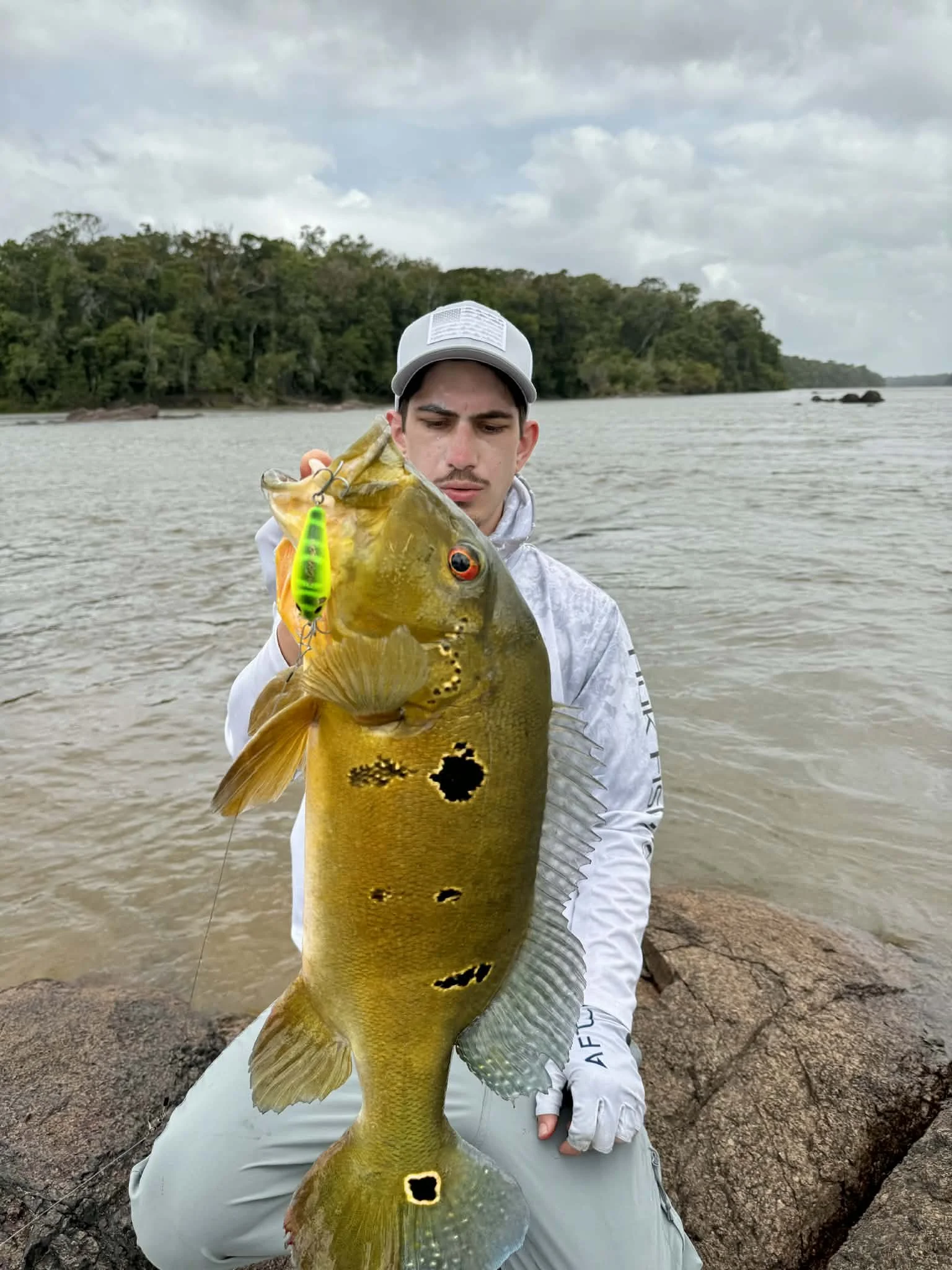
Locally known as the Lukani, there are two species of peacock bass in Guyana, the butterfly and the speckled (pictured above)
Wherever there is angling, there is an adventure. The sport provides something for everybody, from catching simple bluegill on a pond, to fly fishing trout, or pulling walleye through the ice. What about the extremes? What about the once in a lifetime trips people sometimes dream about but may have some hesitations on following-through.
Nick Garontakos, originally a freshwater angler from Michigan, chases the highest highs in the thrill of the chase. Nearly 4,000 miles south, the jungle of Guyana calls to him. The adventure of the catch on the Escrombio River is a mystery of strong mechanics. Targeting species that are incomparable to North American gamefish and hard to even imagine. Most of the time, if someone catches a fish that is triple digits, that will be the largest fish they'll ever catch in their life. That is IF they even get the chance to tangle with one. Imagine catching a triple digit fish and it was not even the largest. That is the caliber of creatures swimming below the surface.
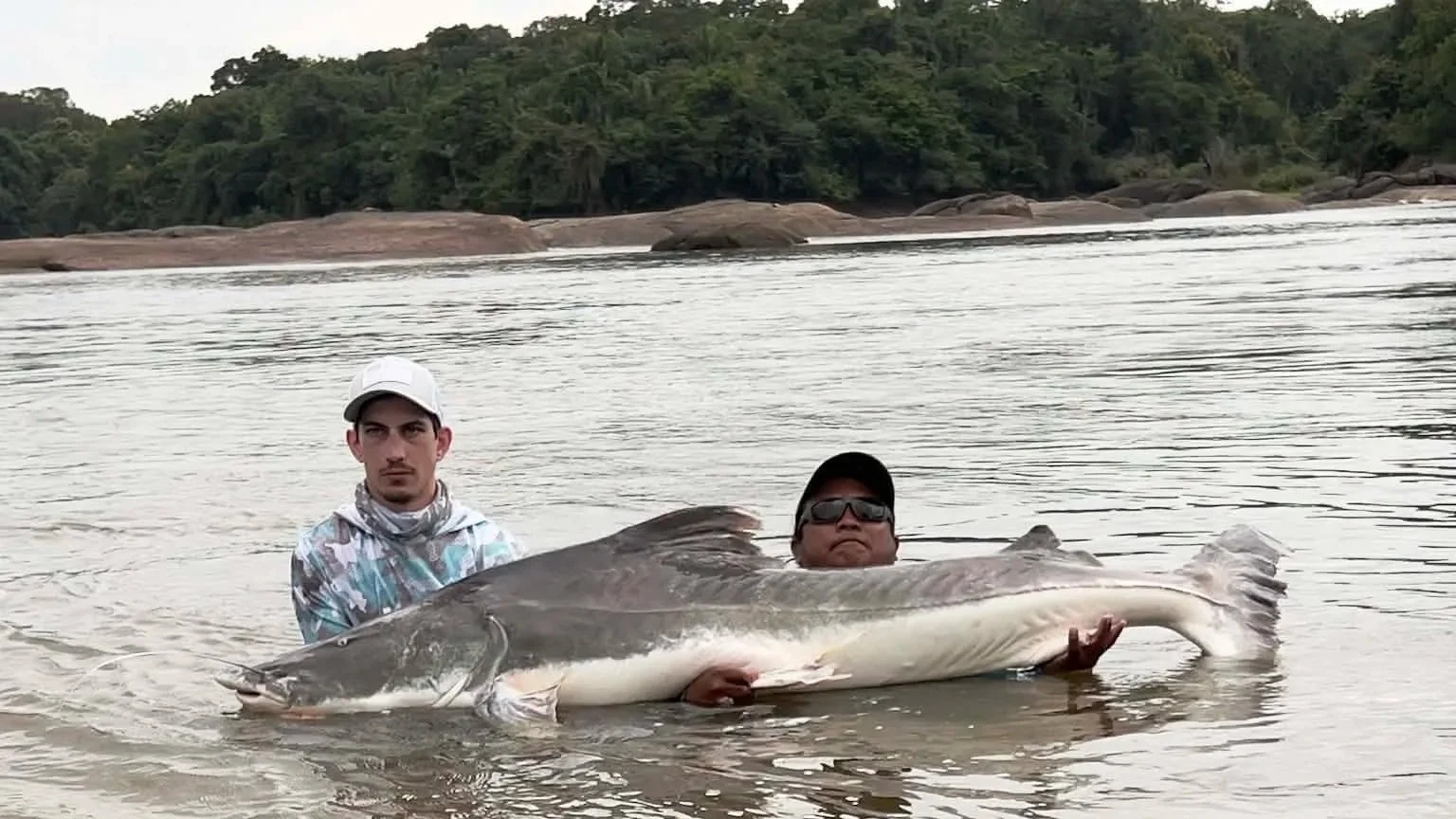
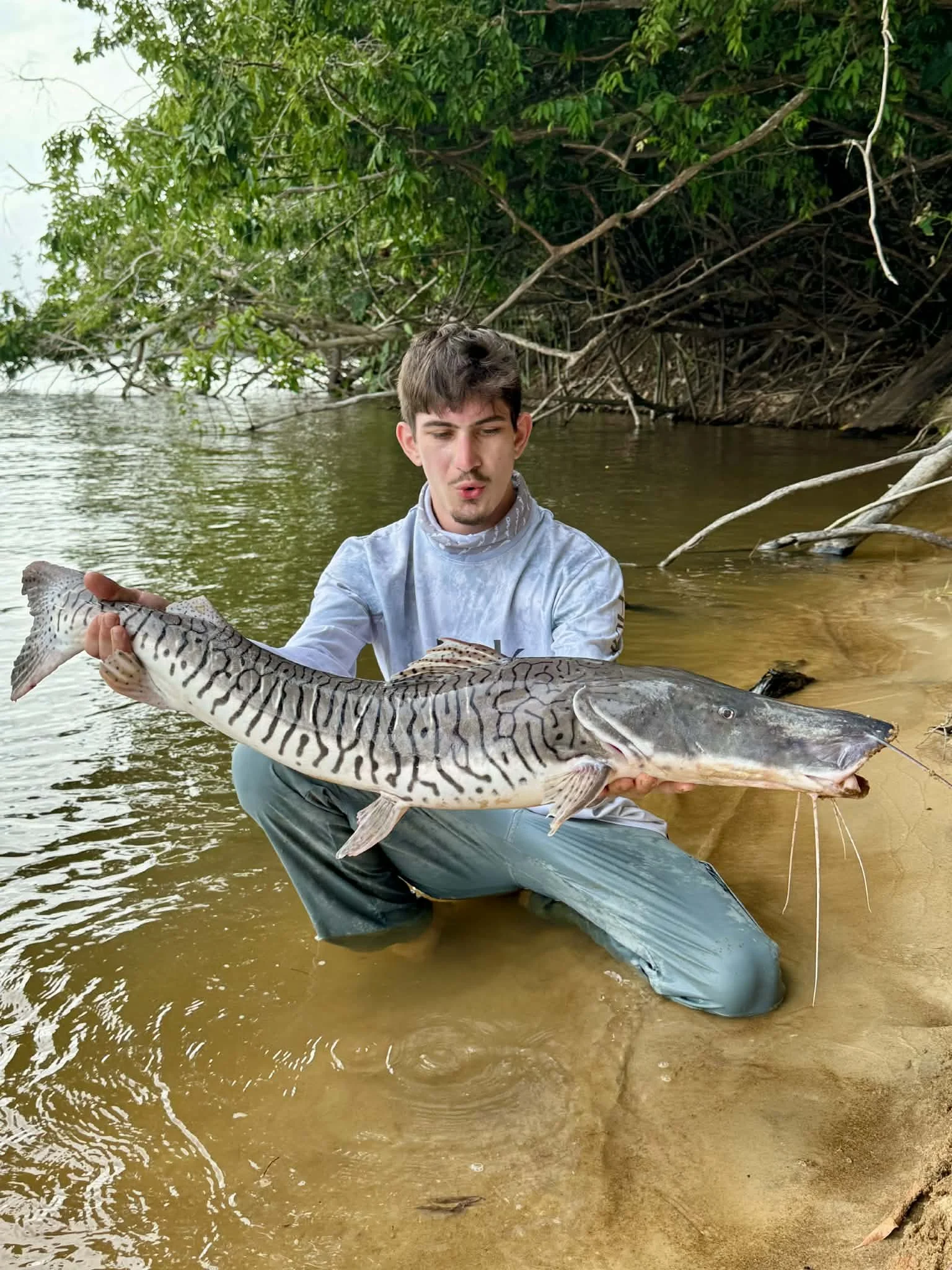
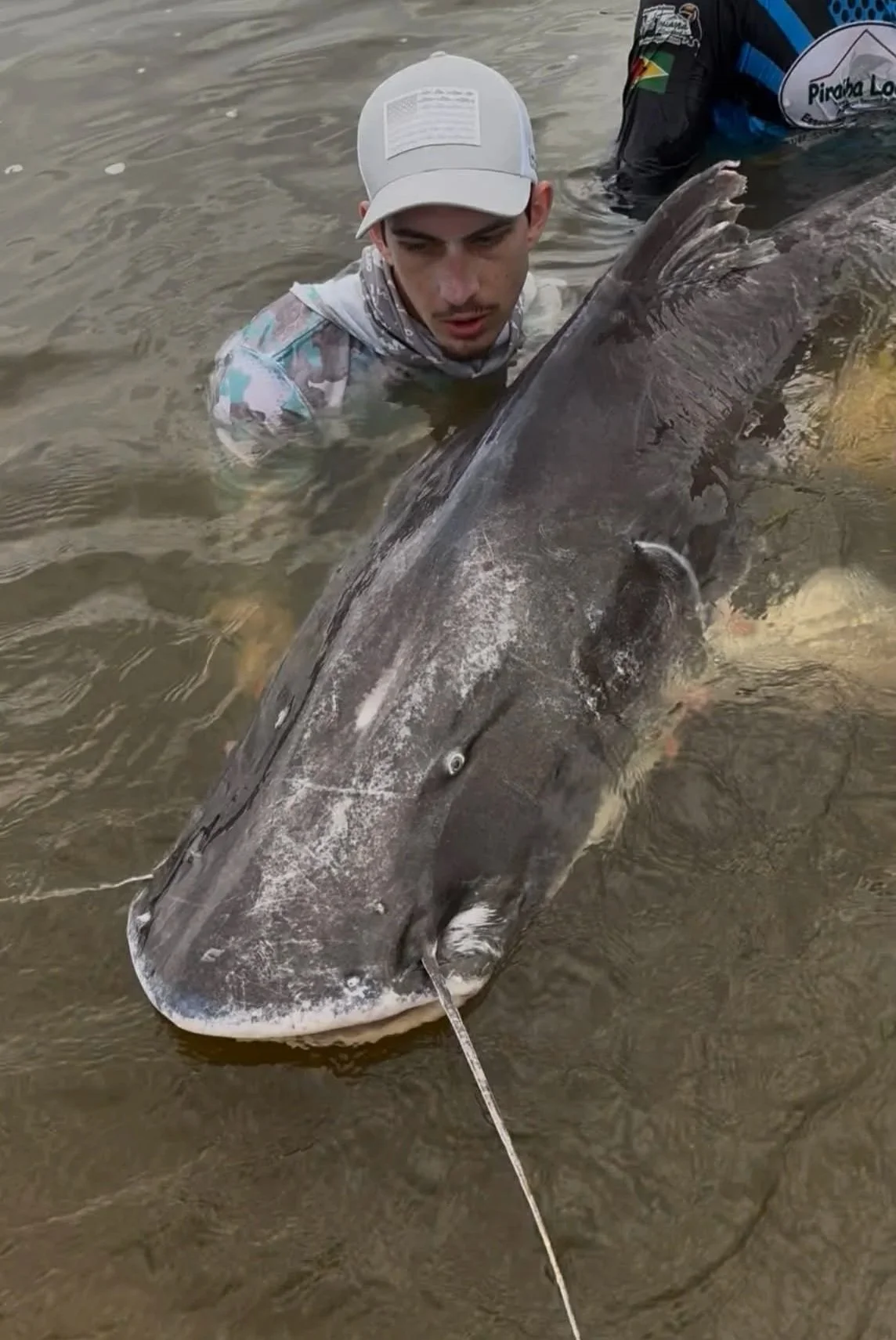
Giant Piraiba Catfish are the some of the mightiest beasts that swim. This one was 7 feet long and weighed roughly 200lbs.
The wildest corners of the earth are vivid in biodiversity. From the tree tops to the river bed, the jungle of south america is cast with colorful birds, ant eaters, giant otters, sloths, daunting creepy crawlies, jaguars, and creatures that are technically fish, but could be considered as monsters. Guyana is predominantly covered by untouched rainforest, with over 80% of its landmass consisting of tropical jungle. It is considered one of the most heavily forested nations in the world. If there was ever a setting, this would be it.
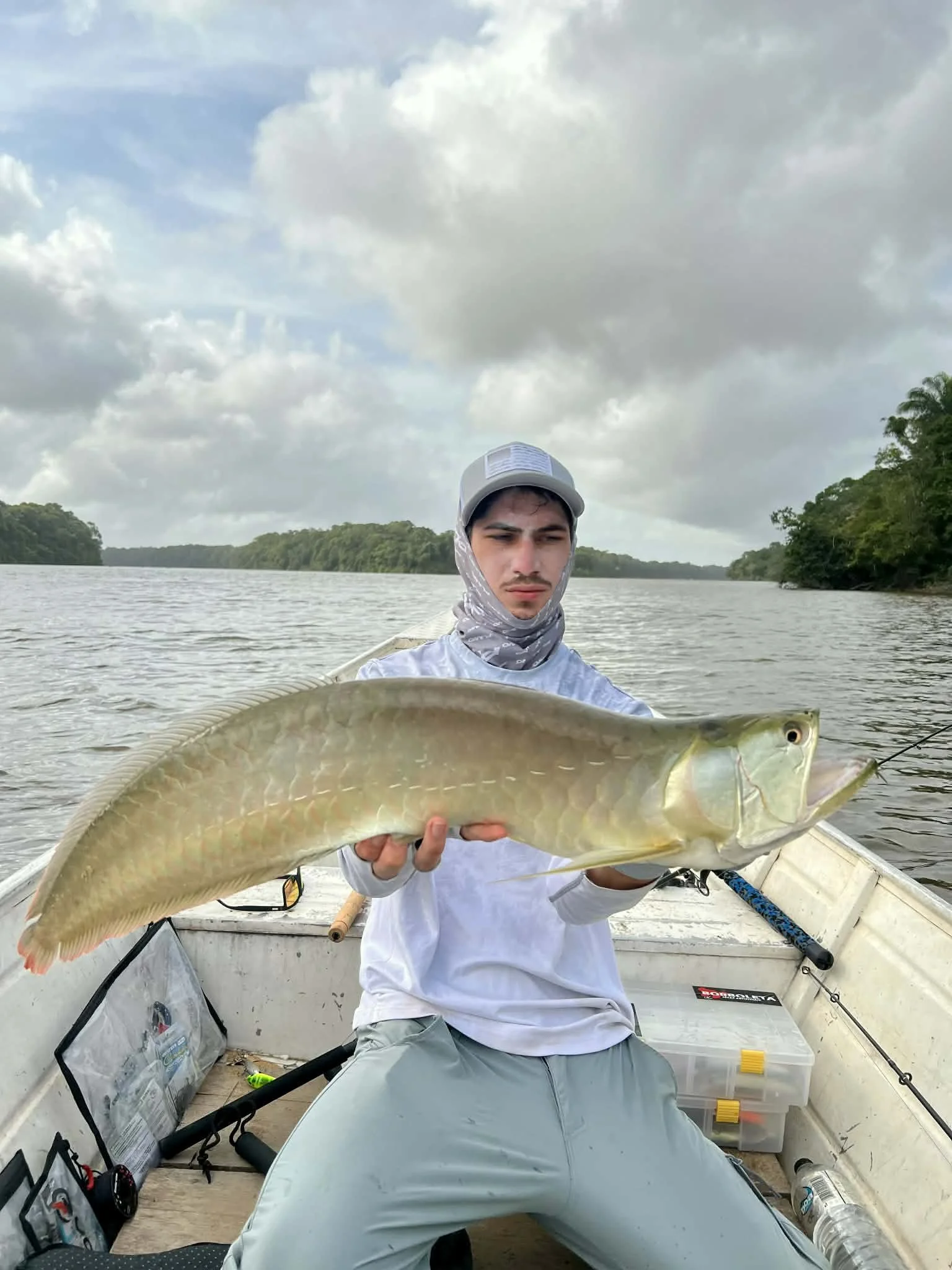
Arowana are known for their fast power and jumping abilities. They can jump 6’ out of the water to capture prey on overhead tree branches.
The Essequibo River is the longest river in the county at 630 miles long. Two different species of peacock bass, arapaima, himara (giant wolf fish), arowana, three species of catfish that surpass 100 Lbs, and more, can be caught. The setting is unmatched from what most people can imagine or reference in their experience with dense jungle, steep cliffs, sandy beaches, and giant house-sized boulders you can moor to and fish off of. The headwaters of the river flow down from the Acarai mountain range near the Brazil border and eventually down to the Ocean.
“The river looks almost prehistoric. There are massive rapids, big pools, and deep bends. A giant fish to remember can happen at anytime.”
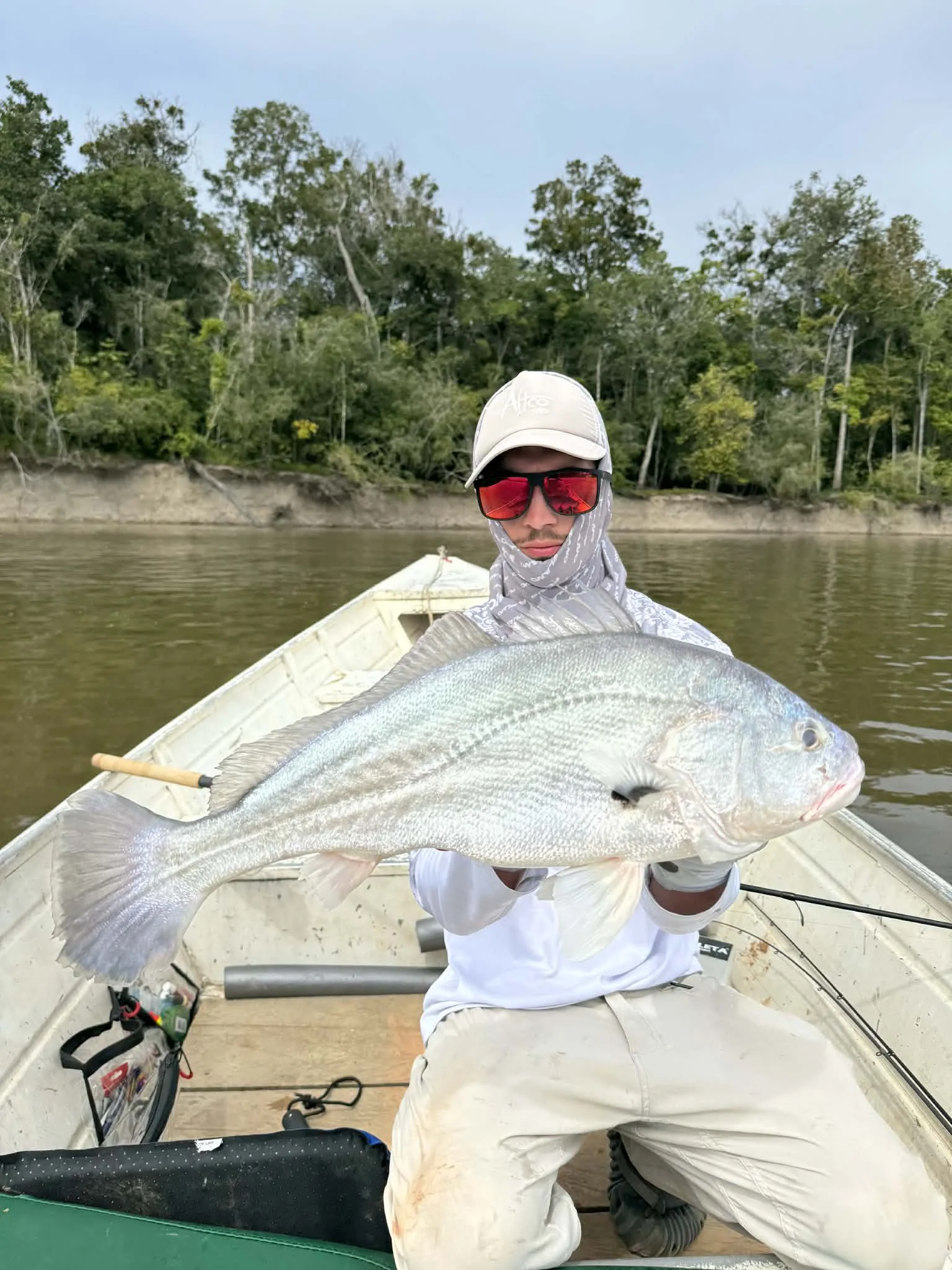
Nick shares that extreme fishing demands focus- anything can happen in an instant. This is the polar opposite from bluefill fishing grandpas farm back home. The energy output requires physical strength to be casting large baits, fishing aggressively, and handling big gear all day. The climate is very warm and staying hydrated is an absolute-must.
“Going on an expedition like this is daunting at first, but it is much more doable than people expect.”
Big fish are great, but it is the isolation and experience in itself that Nick appreciates as well. No cell service, the sounds of nature, the freshest air, and connecting with the stillness of the most wild corner of the earth- there is a piece of enlightenment with it. After an journey like this and having an authentic encounter in this far away land, meeting great people, locals and other guides along the way, Nick views it also as a mental reset from the busy world.
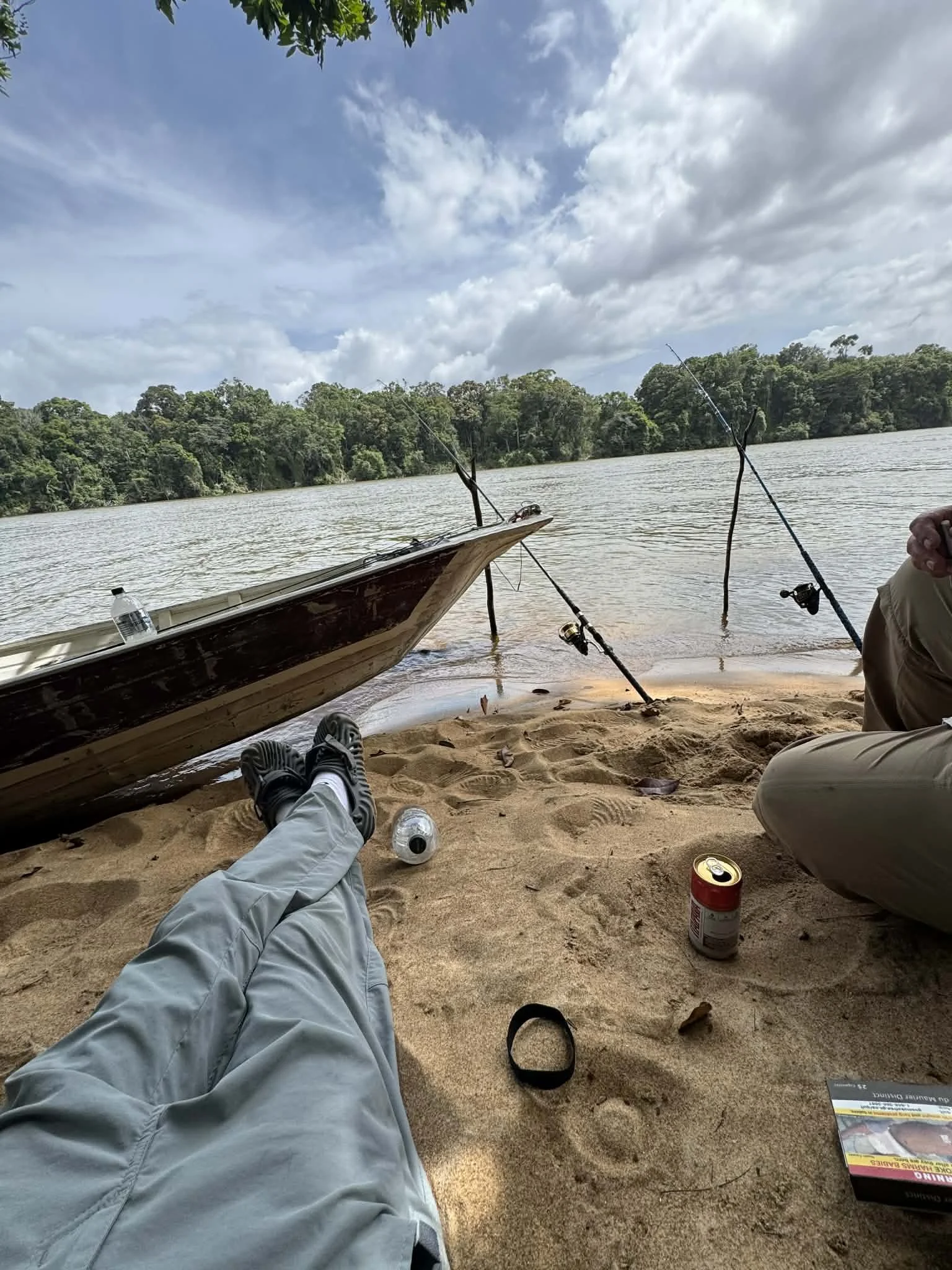
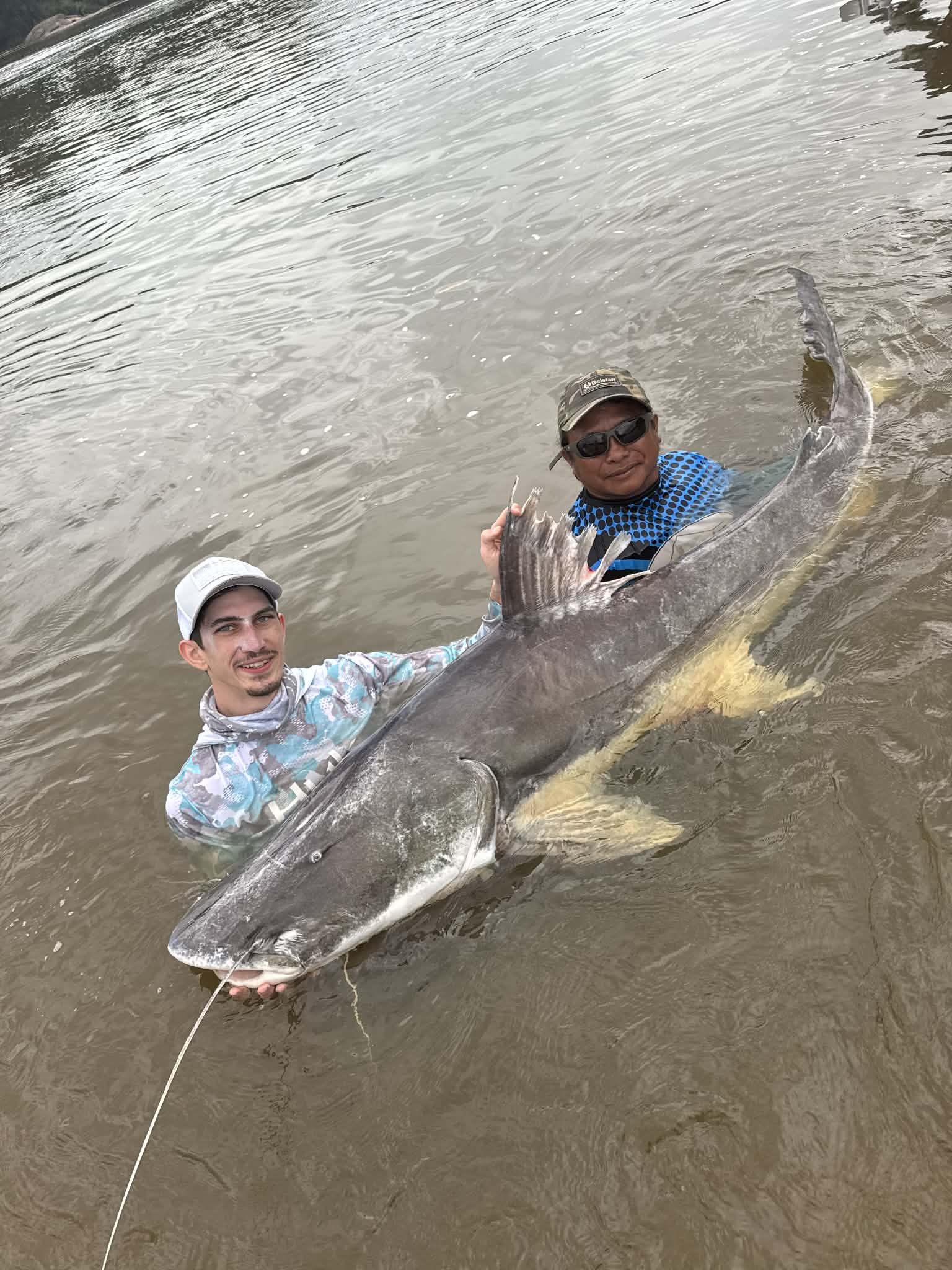
While this kind of fishing requires hard work, there are moments for relaxing on edge, where the anticipation of the next strike builds greatly until feeding time.
After seeing fishing of this caliber on Facebook and social media, Nick looked into going on his first trip of his own three years ago. He was in pursuit of adventure where the catch-potential was high, English was prominently spoken, the location was remote, and the experience was authentic. After kicking around the idea, he pulled the trigger and only has positives to say. He was naturally nervous the first time, but is thankful for his bravery to jump off the metaphorical diving board. Not only does he share that he got to observe and encounter the fishing, but also the destination itself.
A trip like this is more affordable than what may be expected, roughly $4,000 usd with airfare. Flight itineraries often connect to Miami, Florida, where an international plane makes way to Georgetown, Guyana. Once landed, outfitters offer pick up and drop off to the airport. All you have to focus on is getting there. Make sure you are aware of travel requirements and limits. As of Spring 2026, there are no mandatory vaccinations required, but getting one to prevent yellow fever may be recommended. Before going, consult your physician or a medical professional for any concerns.
“People can naturally overestimate the danger factor of doing something so extreme. Going on a trip like this is very safe, and the guides I have fished with are professional and have years of experience.”
In preparation for this expedition, getting gear/equipment together, planning, logistics, understanding the climate, and more, must not be overlooked. Being in the rain forest, the humidity is high and temperature averages 75-90F throughout the year. Hiking shoes, lightweight pants, and rain gear are a must. Ahead of departure, the outfitter will share a list of stuff to pack and have in order. A passport is required for those traveling from the USA. If you do not have one, the current time takes 4-6 weeks after the application is processed.
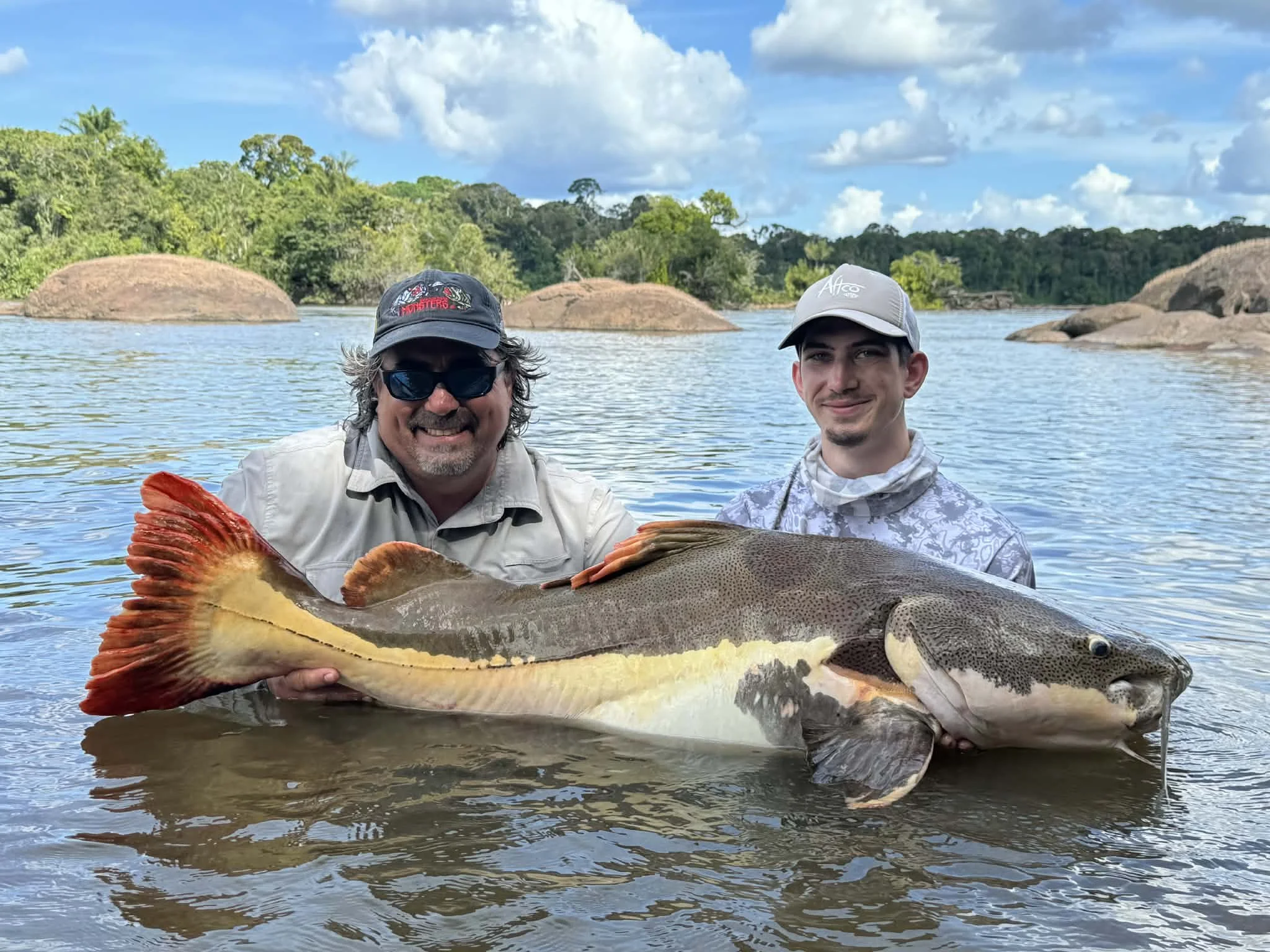
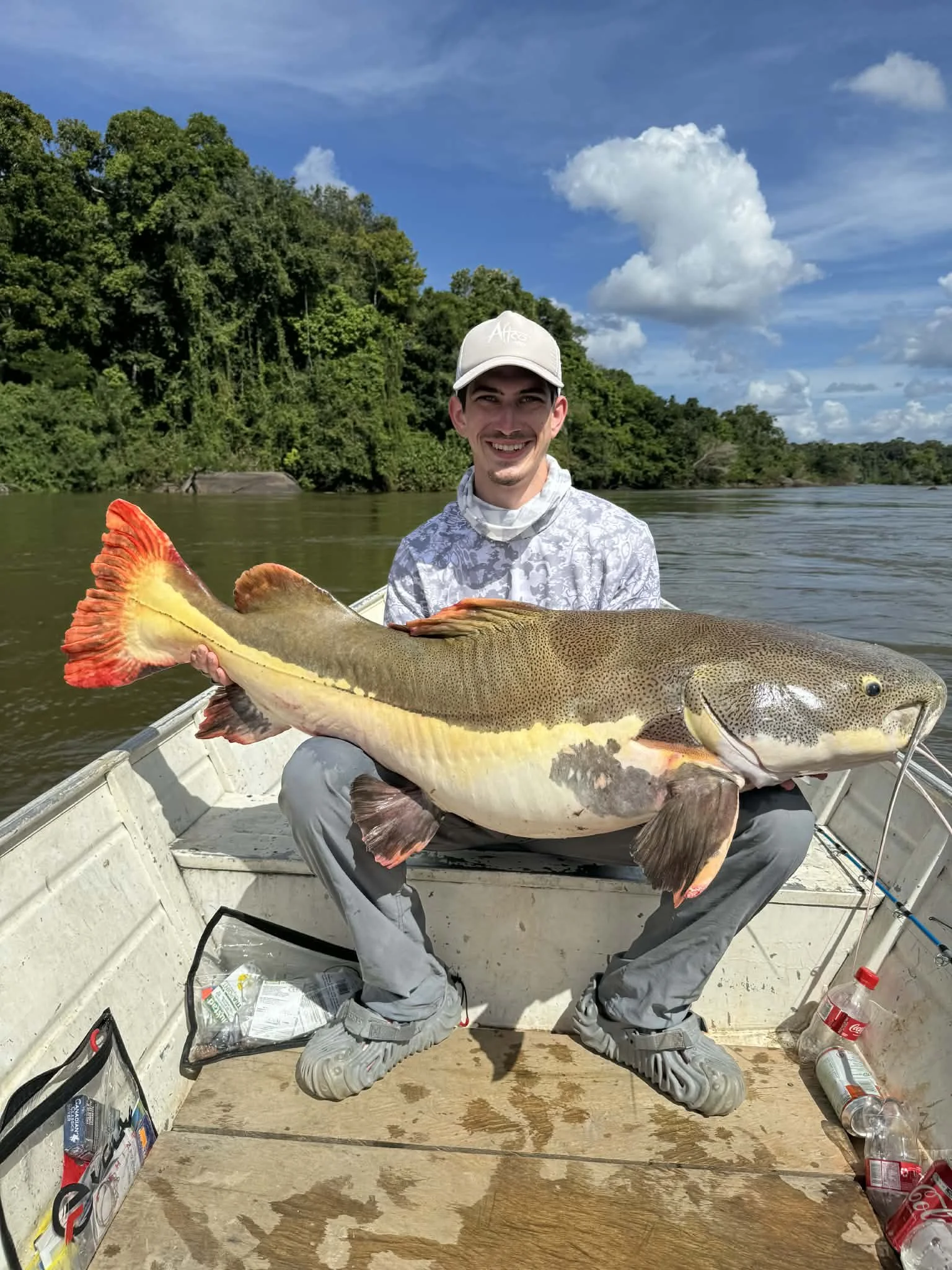
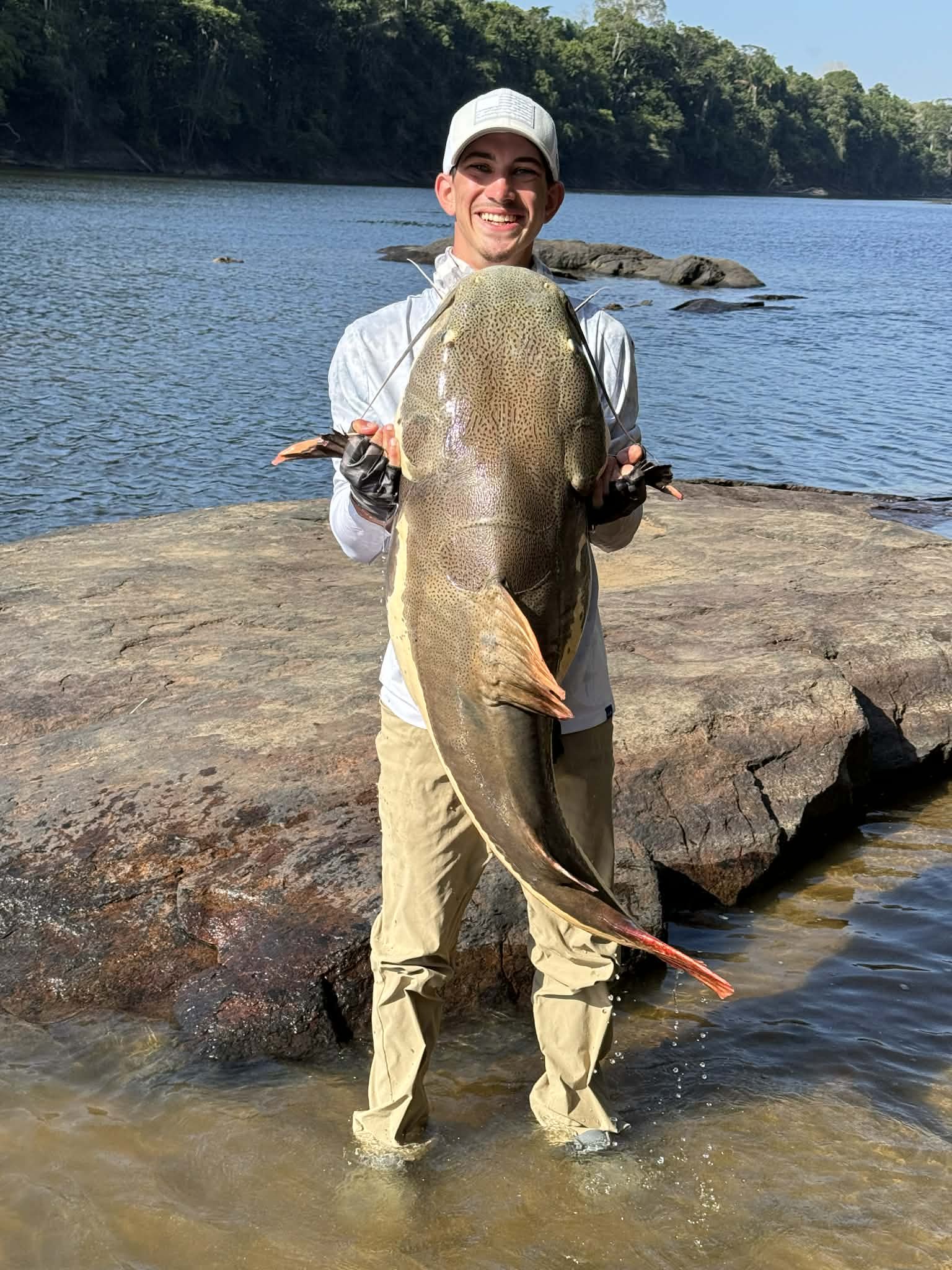
On his most recent trip, Nick went with Amazon River Monsters, a highly reputable outfitter known to prioritize safety, adventure, and fish of a lifetime. After spending time in the bush with Jungle Specialist, Mark Bolton and Tyler Johnson, he highly recommends their services for those brave enough to take the step into the wildest fishing quest one can experience.
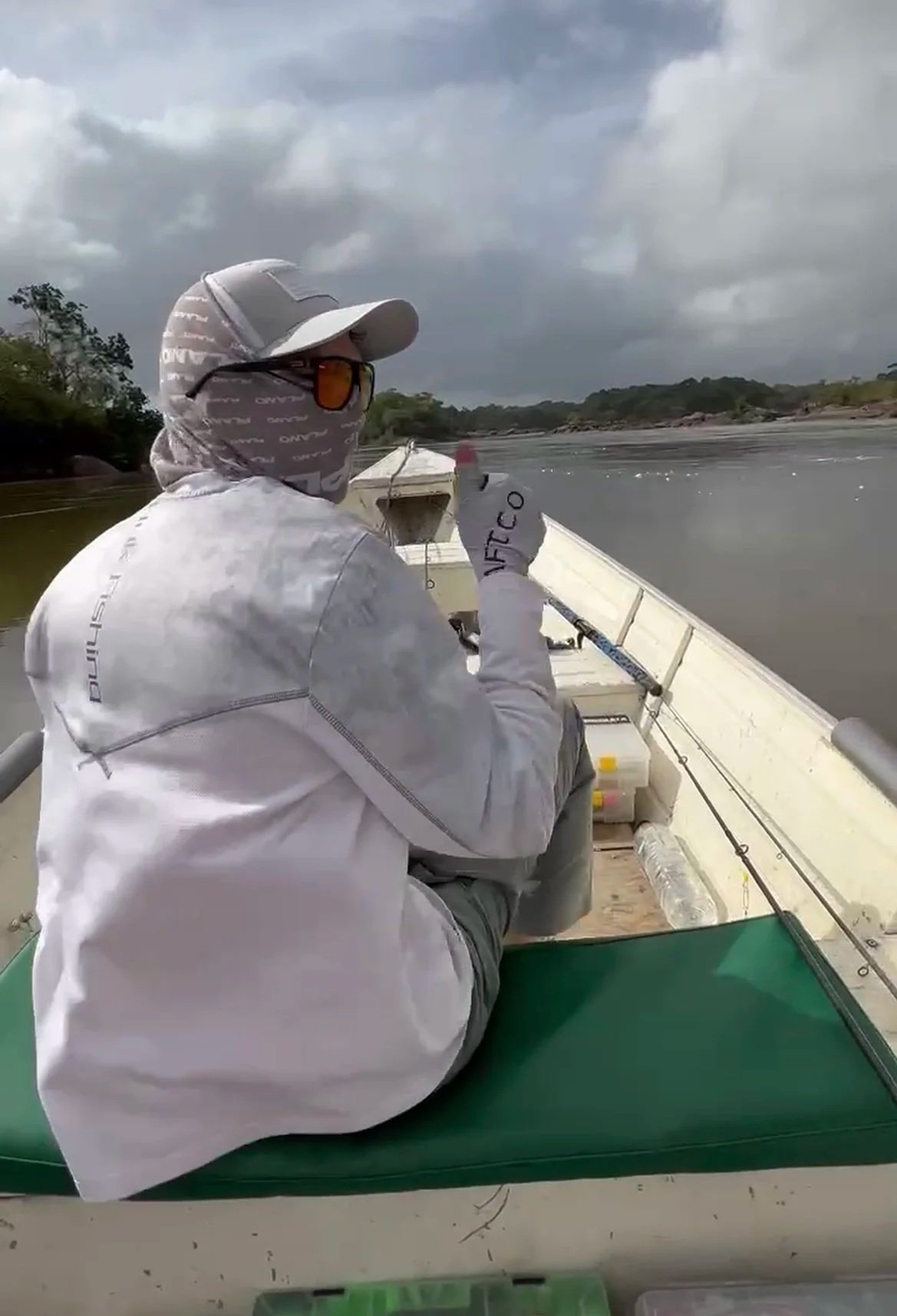
Ultimately, the lure of this journey is not just about the monsters that swim or the trek into an isolated setting; it’s about answering that primal urge we have to discovery what is out there and around the next bend. Stepping off the place into a place this remote requires a toll on many things, but the payout is worth the effort. For those willing to trade cell service for the heavy humidity of Guyana, the jungle offers more than just a catch, it offers a rare, authentic encounter with the wild. Throughout all of history, the mystery of the unknown is calling. The monsters are there, waiting just below the surface for whoever is brave enough to cast and embark on this adventure.
www.AmazonRiverMonsters.Ca
〰️
www.AmazonRiverMonsters.Ca 〰️
A special word of appreciation is expressed for Nick Garontakos for sharing this incredible fish story with us. All contents, including photographs, have been shared with his permission and may not be used or duplicated. Congratulations on all of this, Nick! You are an inspiration of an angler and thrill-seeker. We hope to make this journey and experience it on our own someday.