

Getting Schooled and Spooled for Salmon with Capt. Chris Bosse
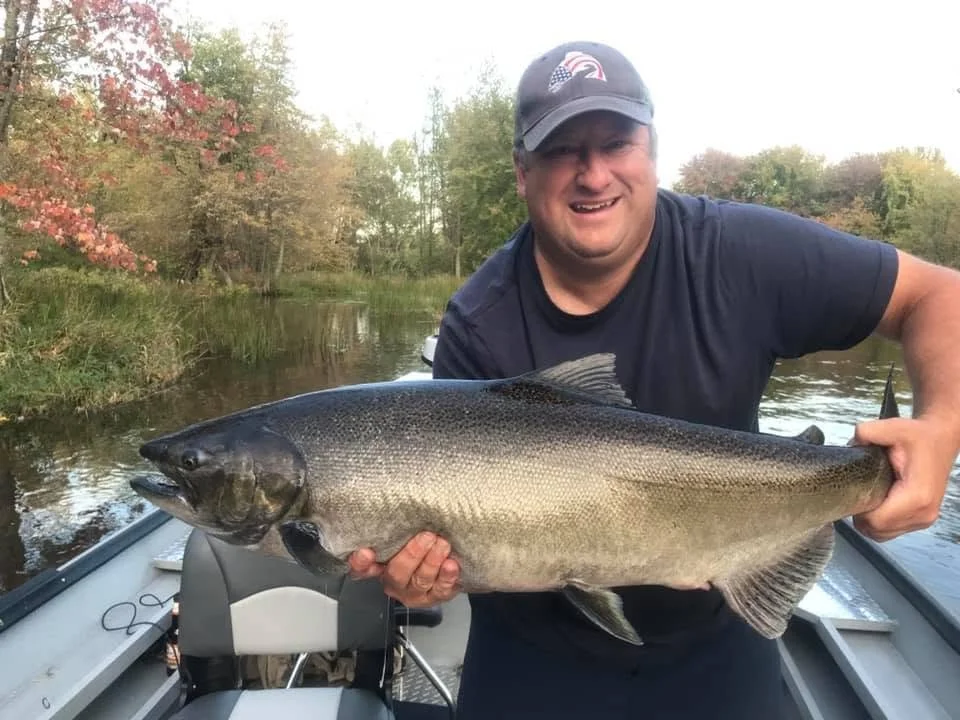
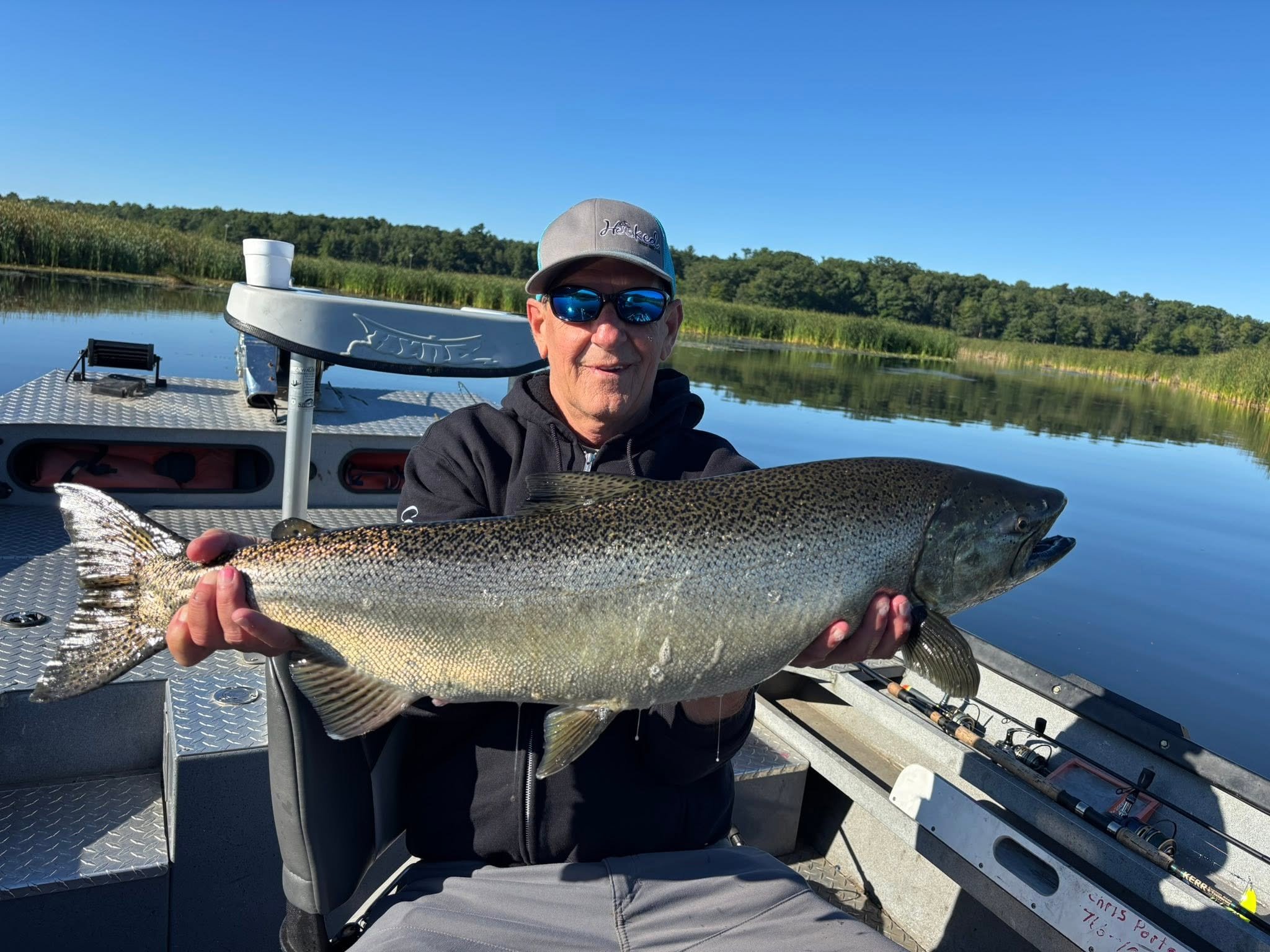
The thrill of chasing Salmon around the Great Lakes is an anticipated highlight of the season for anglers. The sheer power, size, and drag-screaming battles have people coming from far and wide to get a piece of the action, especially in western Michigan tributaries. Chinook and Coho salmon provide everything an angler could want in an adventure that results in table fare and memories.
There are four species of salmon in the Great Lakes. This article is highlighting the most popular species, Coho and Chinook. (Don’t worry- we will cover the others later!) These were first introduced to the Great Lakes in 1966 as a response to combat alewives and build a fishery. After much success, the regional ecosystem and economies thrived off of their presence. Approximately 2.5 million salmon are stocked annually as smolts, juvenile fish that are 5-7 inches long.
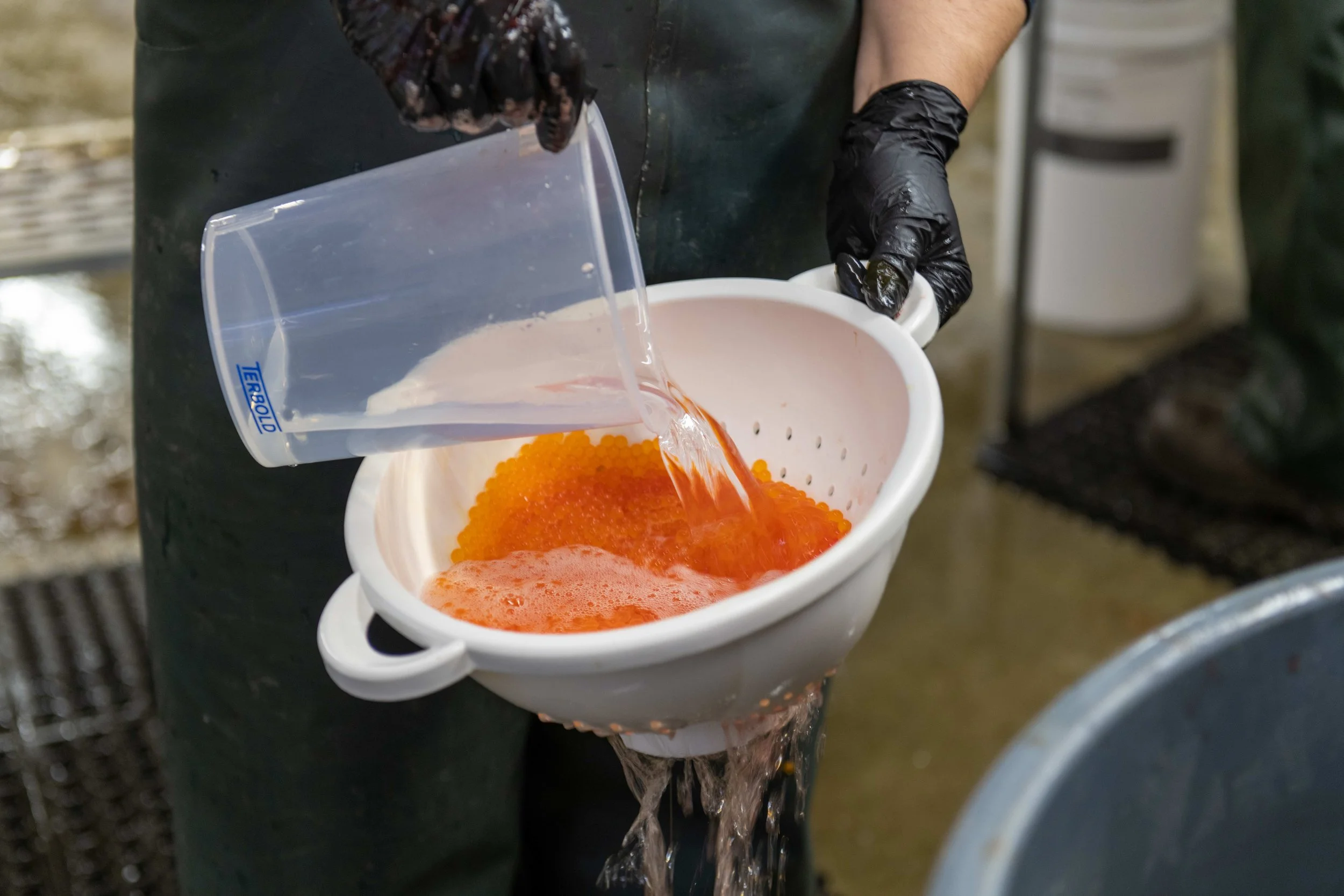
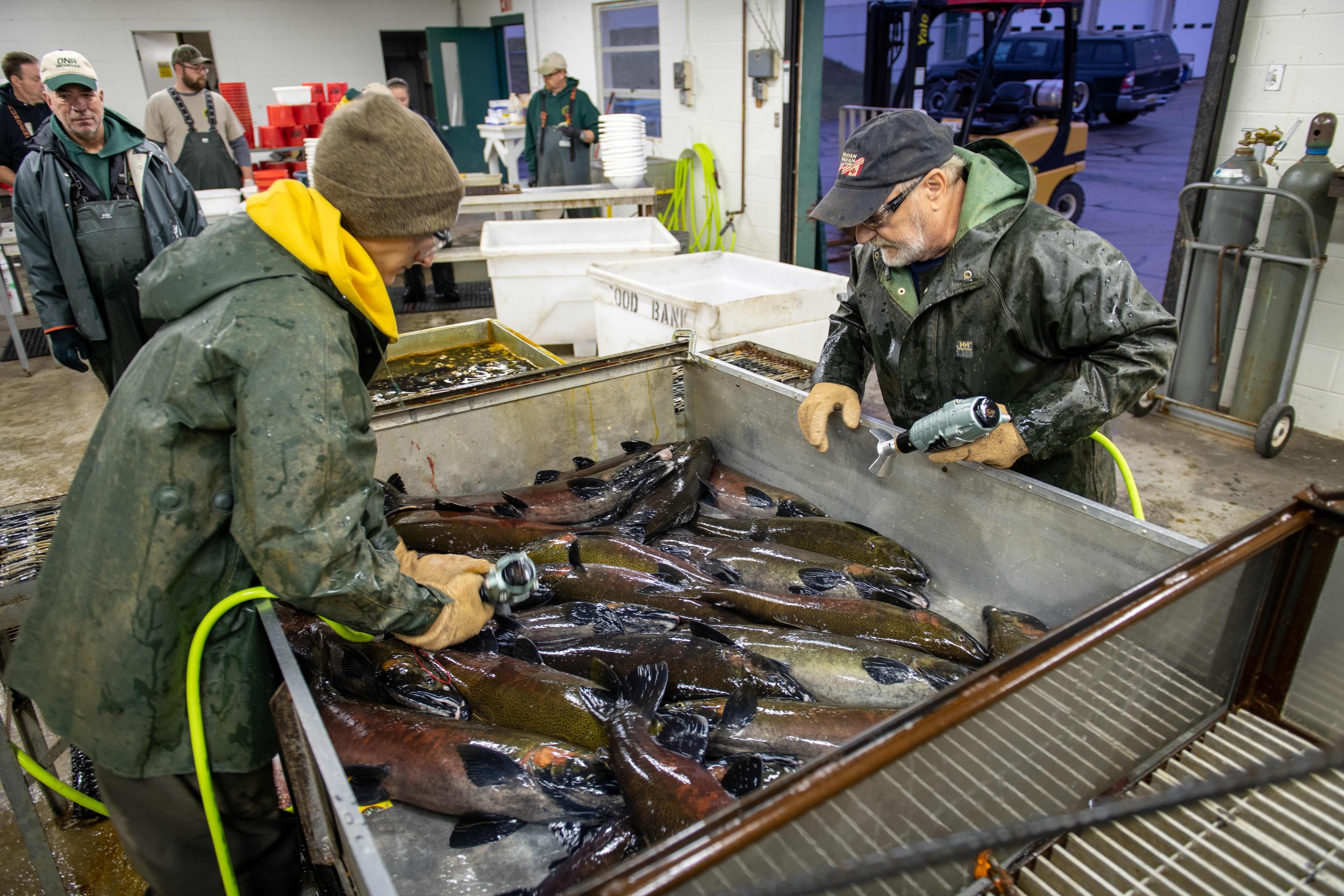
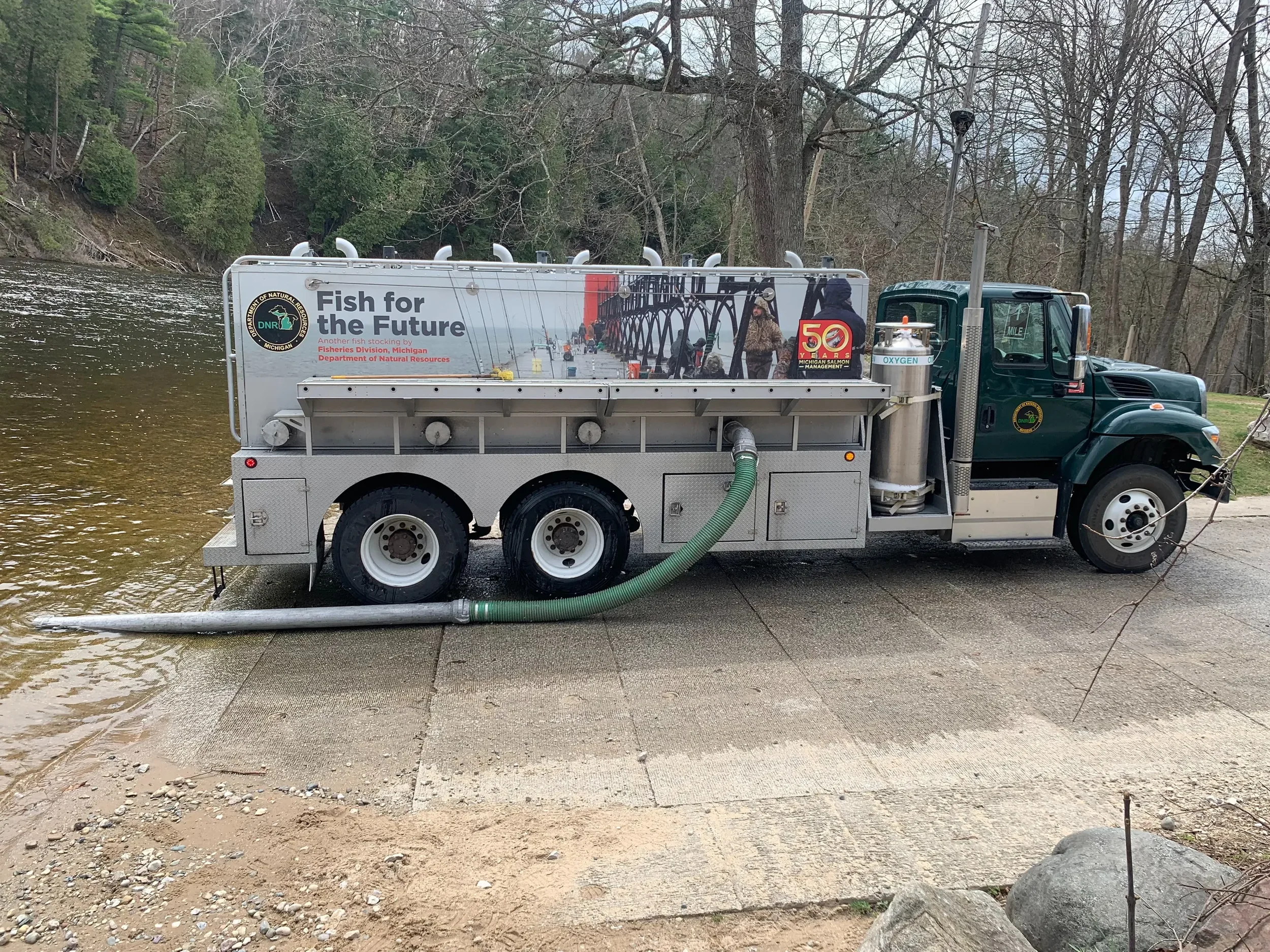
Above: The Michigan Department of Natural Resources stocks roughly one million Chinook (King) and 1.5 million Coho salmon annually across the state.
Spending a majority of their life in the big water, the Coho life cycle is typically 3 years, while the Chinook is four years. Feeding on an abundance of bait, they grow very fast with the content of alewives.
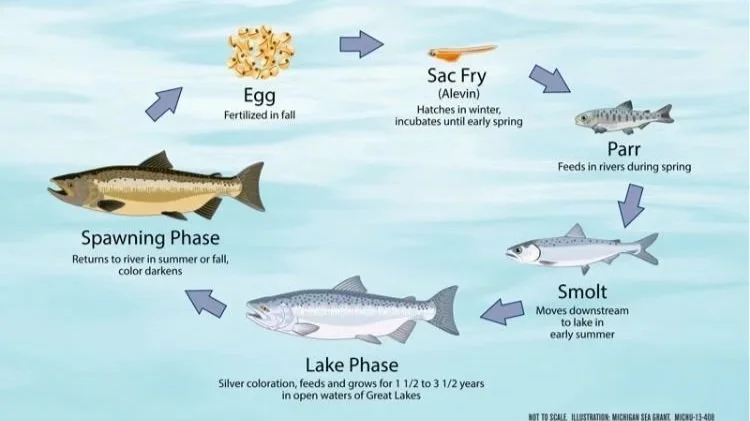
Image Courtesy of Michigan State University College of Agriculture and Natural Resources
Upon maturation, salmon will instinctually return to the river they were released or naturally hatched. This phenomenon is a homing instinct where these fish are imprinted with scent memories within the chemical structure of the water.
When Summer begins to wind down, the season for spawning is nigh. This is one of the most remarkable events in fish migration. Autumn temperatures, shorter days, and cooler water signal to these fish that it is time to make a journey that is the biggest and final task of their life.
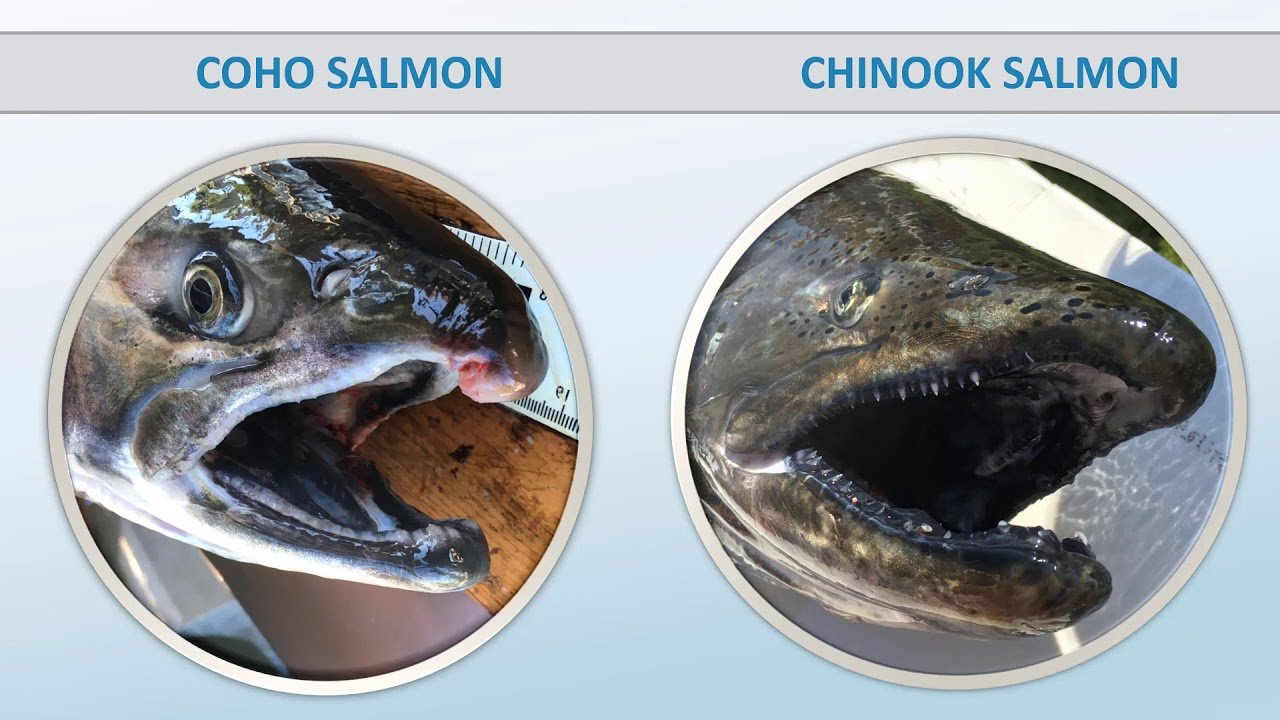
Image Courtesy of Michigan State University College of Agriculture and Natural Resources
The Chinook and Coho are anadromous, meaning they are born in freshwater and spend a majority of their life in the ocean or big water of the Great Lakes. They are a euryhaline fish that can live in freshwater or saltwater. These salmon species are also semelparous because they only spawn once in their life cycle and perish shortly after. Their lineage comes from the Pacific Ocean.
When Coho and Chinook salmon begin their migration to the spawn up river, their metabolism shifts. They no longer need to eat to sustain their caloric output and live off of their fat content. Even though they may not be feeding, that does not mean they do not strike a bait. There are several reasons for a fish to take a swipe at something, and with salmon it comes down to natural instinct.
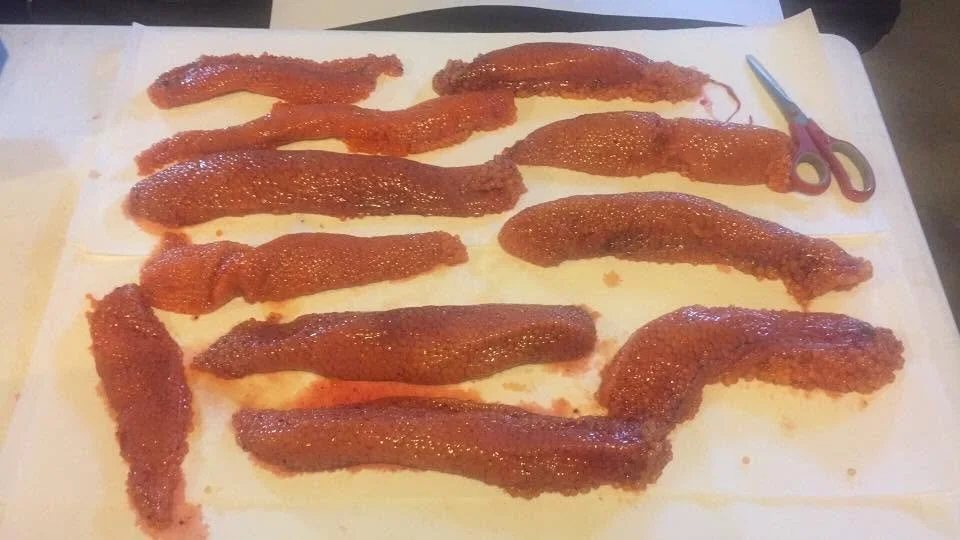
Skein (globs of eggs) along with roe bags, are the best natural bait for this. This is not so much for consumption, but rather an act of competitive cannibalism. By consuming eggs from other fish and lowering the survival rate of other salmon, it flavours their offspring by eliminating future competition.
Eggs that are cured last a long time for future salmon and trout ventures. There are several different and easy ways to cure eggs and skein, like with salt or borax. Pautzke Fire Cure and Borax-O-Fire do a great job at curing and dyeing the bait into colors that salmon love.
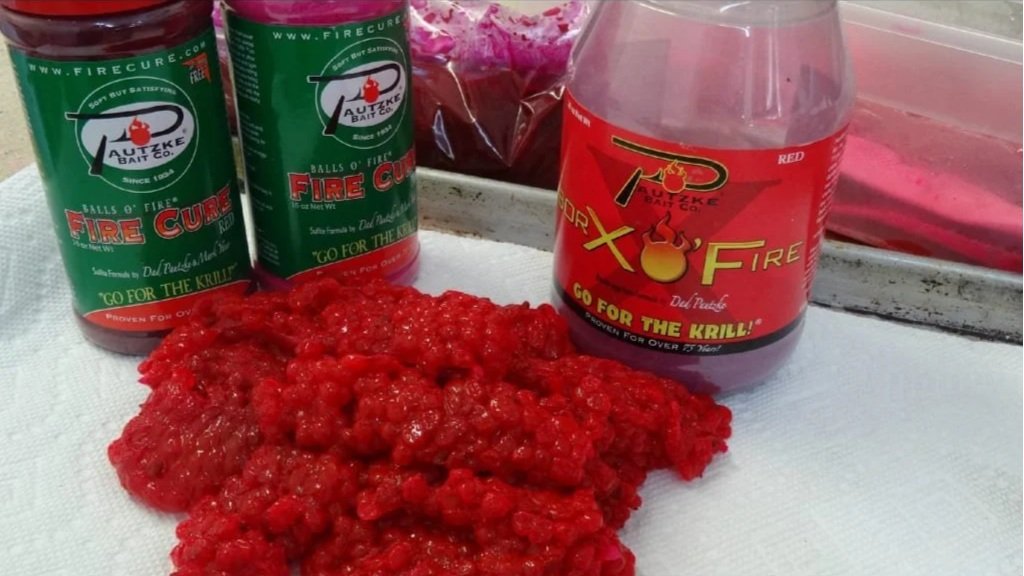
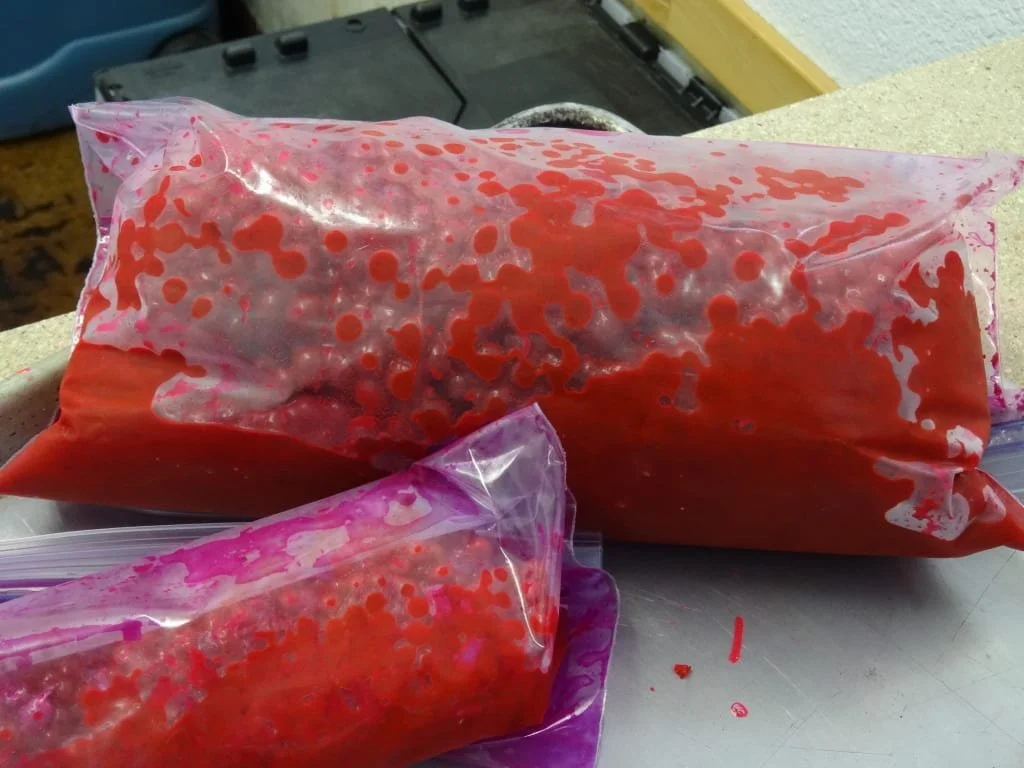
Float fishing is the preferred delivery method. In the drift, the presentation must move at the pace of the current. Using the proper weight and equipment so that the bait is not moving too fast or dragging is important. The right size float to handle the needed amount of weight will demonstrate how the bait is drifting and when a fish has taken it. Anglers can use small egg weights above a sinker, or space out split shots while keeping the presentation look natural. Ideally, keeping the bait a foot off the bottom is perfect.
In the rivers, salmon become very territorial and aggressive to protect. When casting body baits or an in-line spinner, they react in the same way we might brush away a mosquito near our face. They’re not striking it to eat, but to kill it as a means of instinct to ensure no threats are made to their spawning mission.
Salmon are more active during low-light periods, especially around sunrise and sunset. This is the prime time window for actively casting and retrieving. Cast around holes, runs, or any deep enough area to hold fish. Understanding the river is crucial. Anglers may be fishing in deeper holes or above timber and having an appropriate bait will run more effectively within the strike zone.
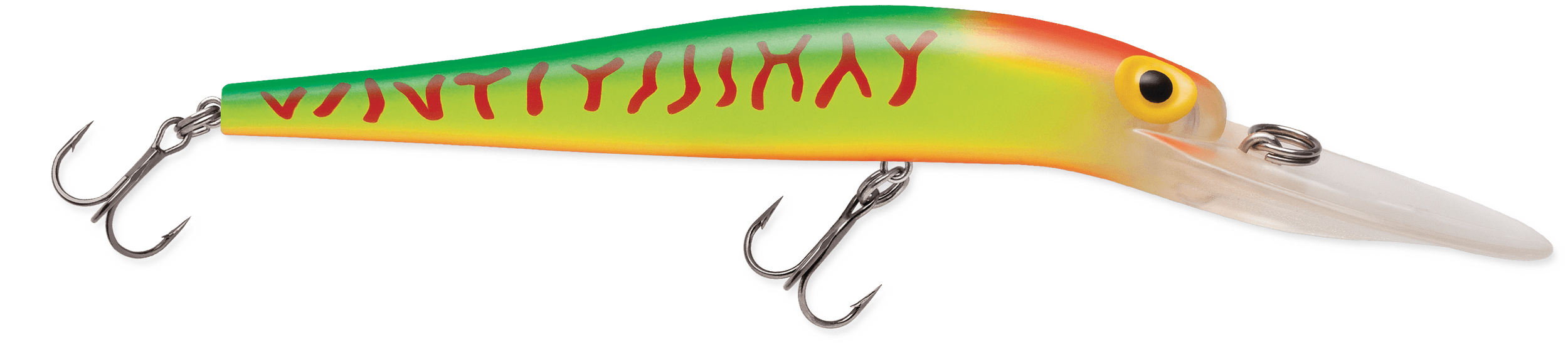
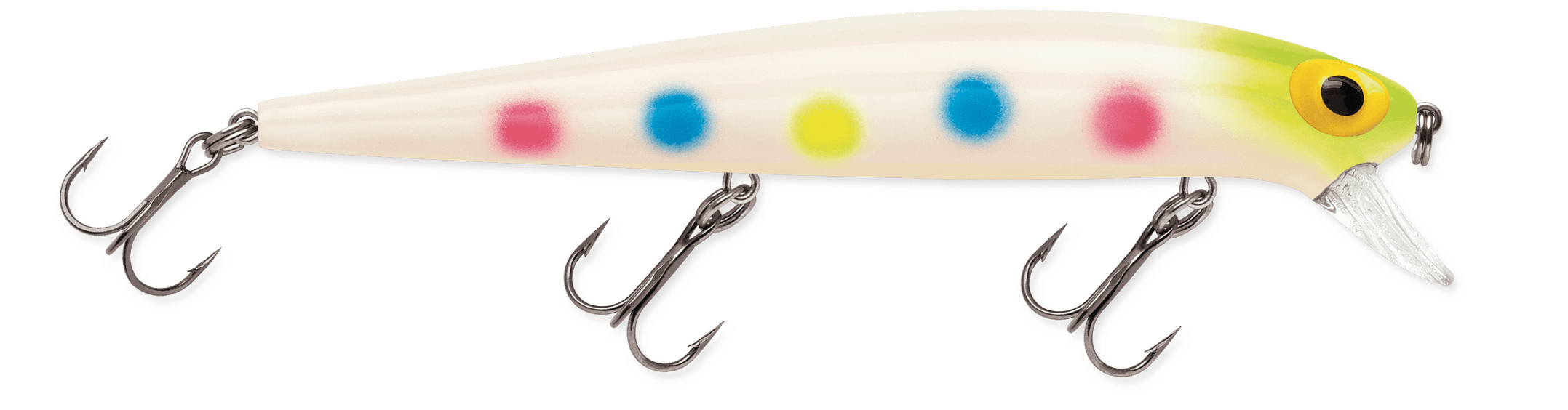
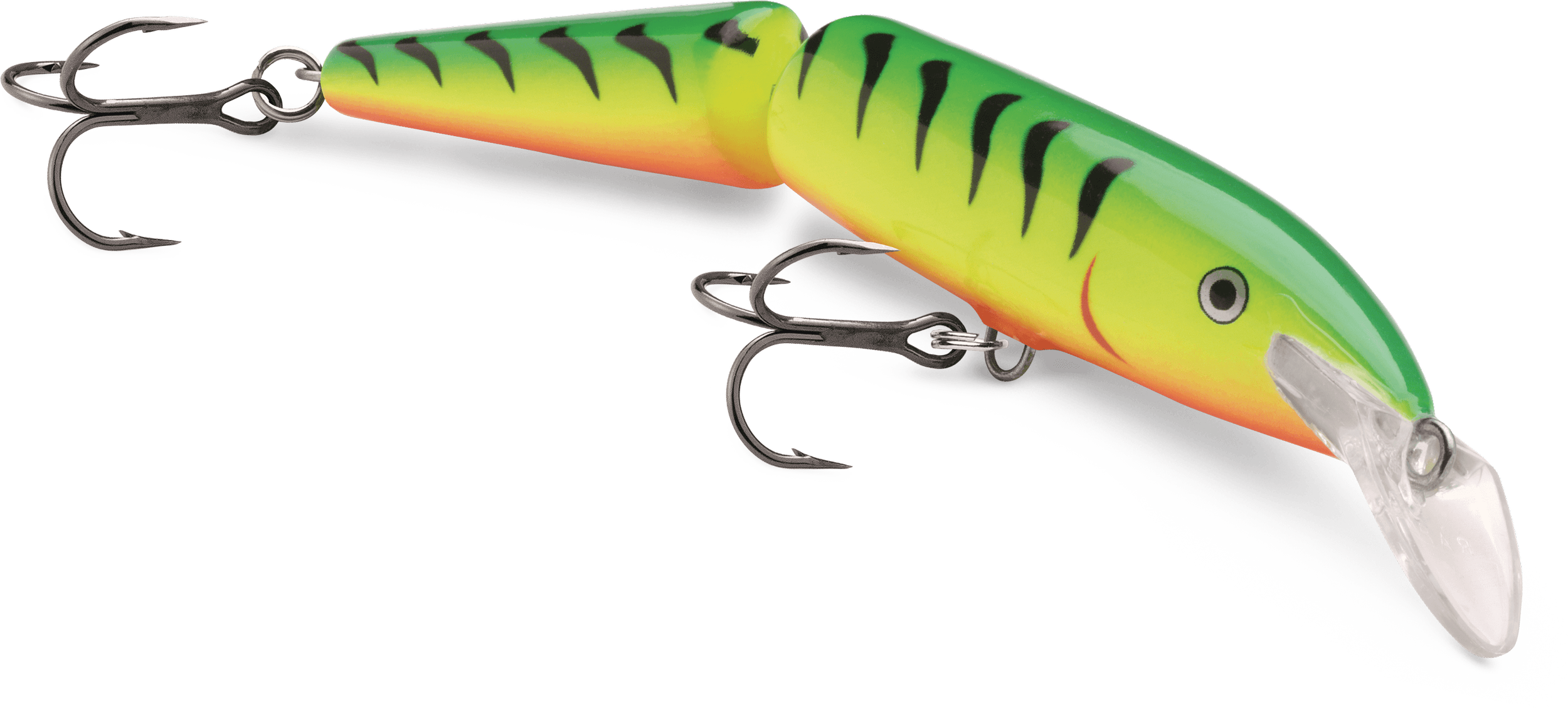
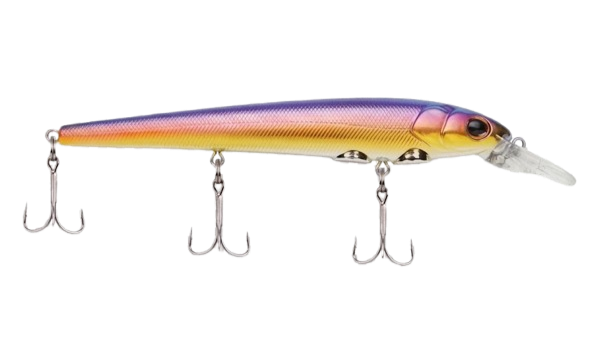
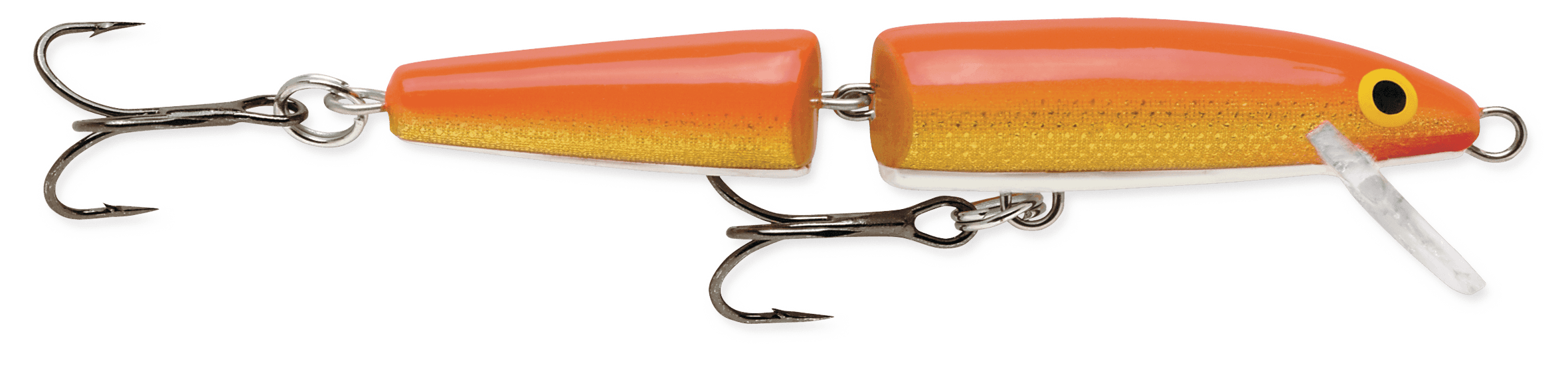
The Rapala Jointed series, Storm Thunderstick, and Berkley Hitstick, all have tempting swimming actions to entice a territorial salmon to swipe. Variety is the spice of life, so make sure you have some that run shallow and deeper.
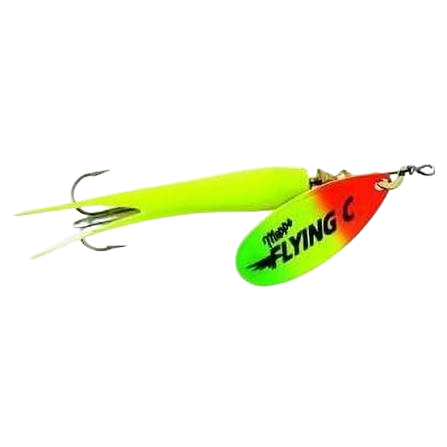
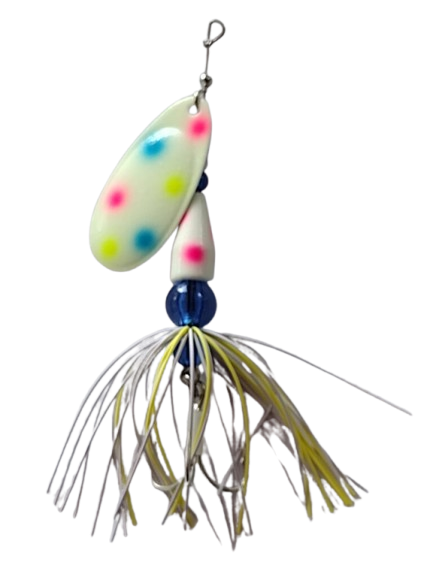
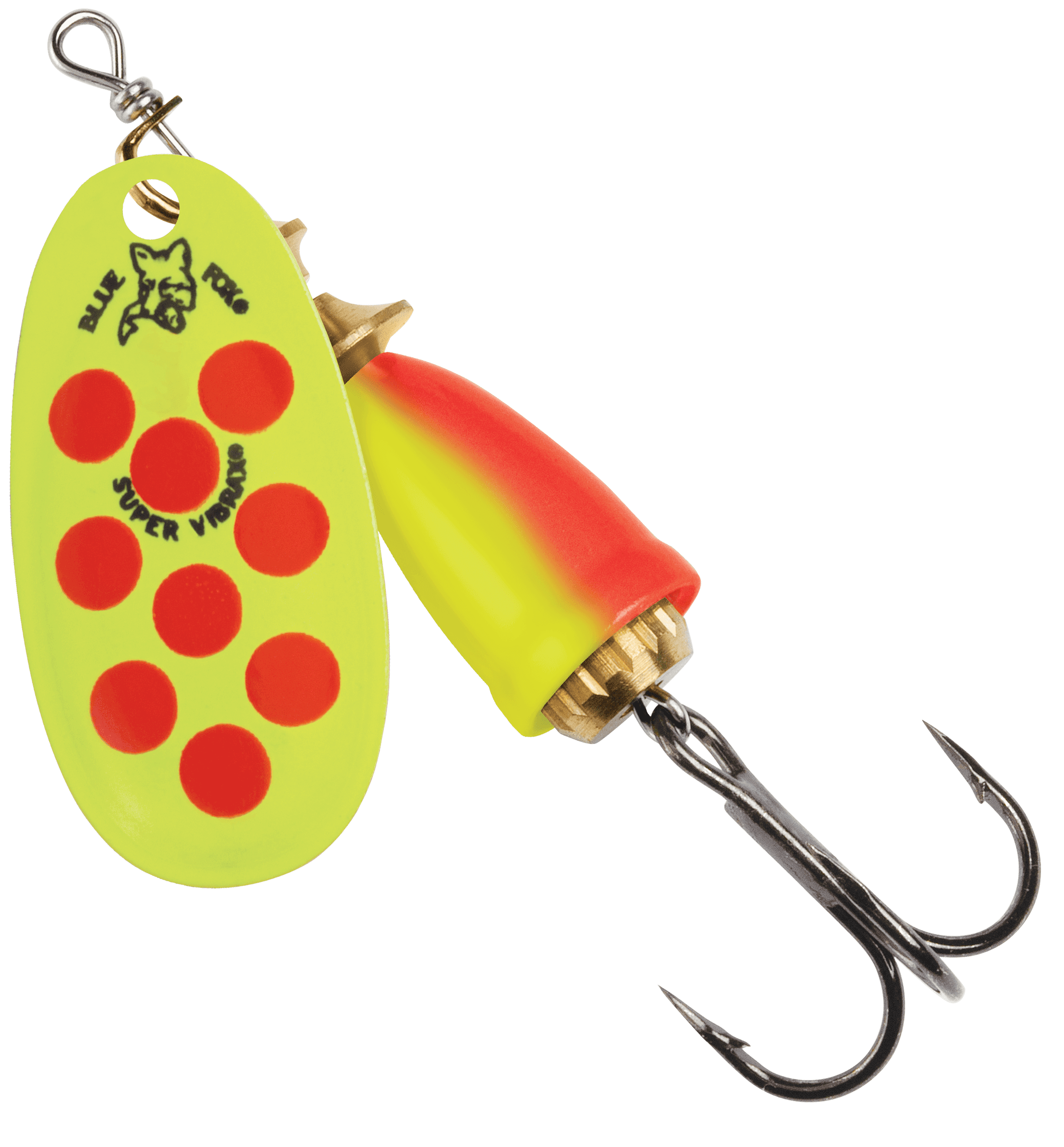
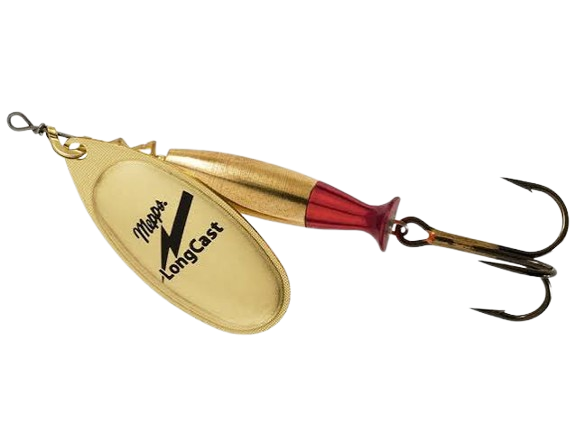
Salmon have a hard time passing up an in-line spinner, like the Blue Fox Vibrax, Mepps, or Arctic Spinners. There is something about the color and vibration that gets them to react when they are active.
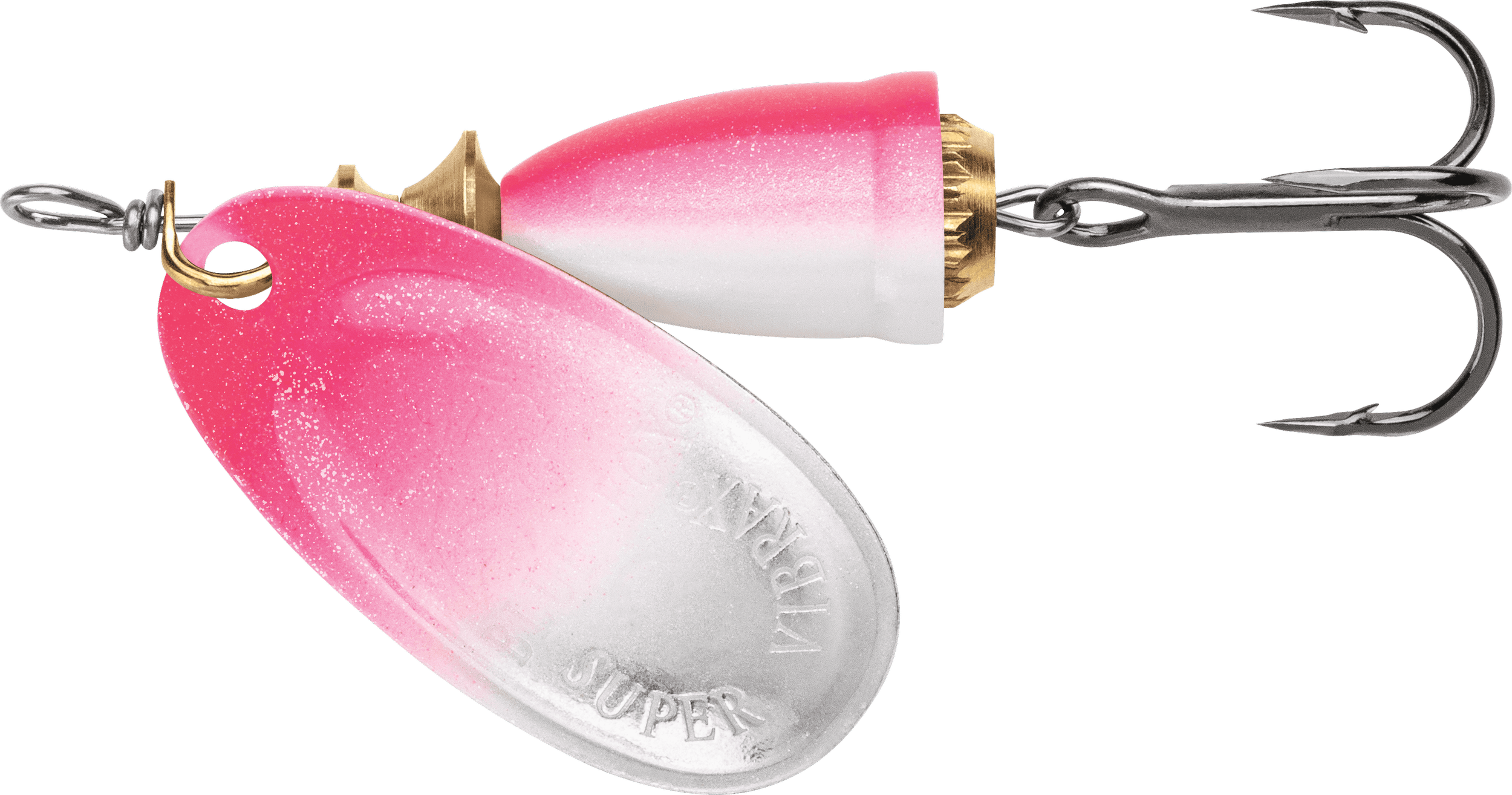
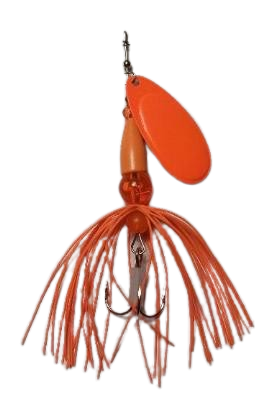
Going the extra mile, upgrading hooks and split rings to 2x “double strength” on body baits is recommended by guides to hold up to the power and fight out of these fish. In-line spinners work great out of the package and do not often need a hook upgrade.
Remember to consult with state rules and regulations before heading out. Rivers may have special regs during these times regarding hooks and tackle. In Michigan, there is a seasonal hook restriction where treble hooks must be 3/8” from the tip to the shank of the hook AND can only be used when attached to an artificial lure, such as a stick bait, spinner, etc. Any other bait must be used with a single shank hook, no greater than 1/2” from tip to shank.
Purchase a Michigan Fishing License
For taming powerful fish, the right equipment needs to be used. A strong rod with a flexible backbone to handle surges and playing to a head-shaking salmon that refuses to give up easily. A medium-heavy rod, that is 7-9’ in length is ideal for most situations.
For a reel, whether you choose a bait caster or a spinning, make sure it is up for the job at hand. You are not chasing panfish out of a farm pond. These salmon come from a lineage of power that made them strong to survive the Pacific Ocean. A quality reel that holds enough line and has a solid build is worth the money. For spinning reels, something in the ballpark of a 4000 series is perfect.
Having braid or “super line” is a favorite for its strength, diameter, and no-stretch properties. Quality leader line, fluorocarbon or monofilament, will be able to handle the toll that comes with fishing around rock and timber. 15-20lb is a well-rounded option for line where it handles well but doesn't overdo it or hinder performance.
Getting Hooked Up
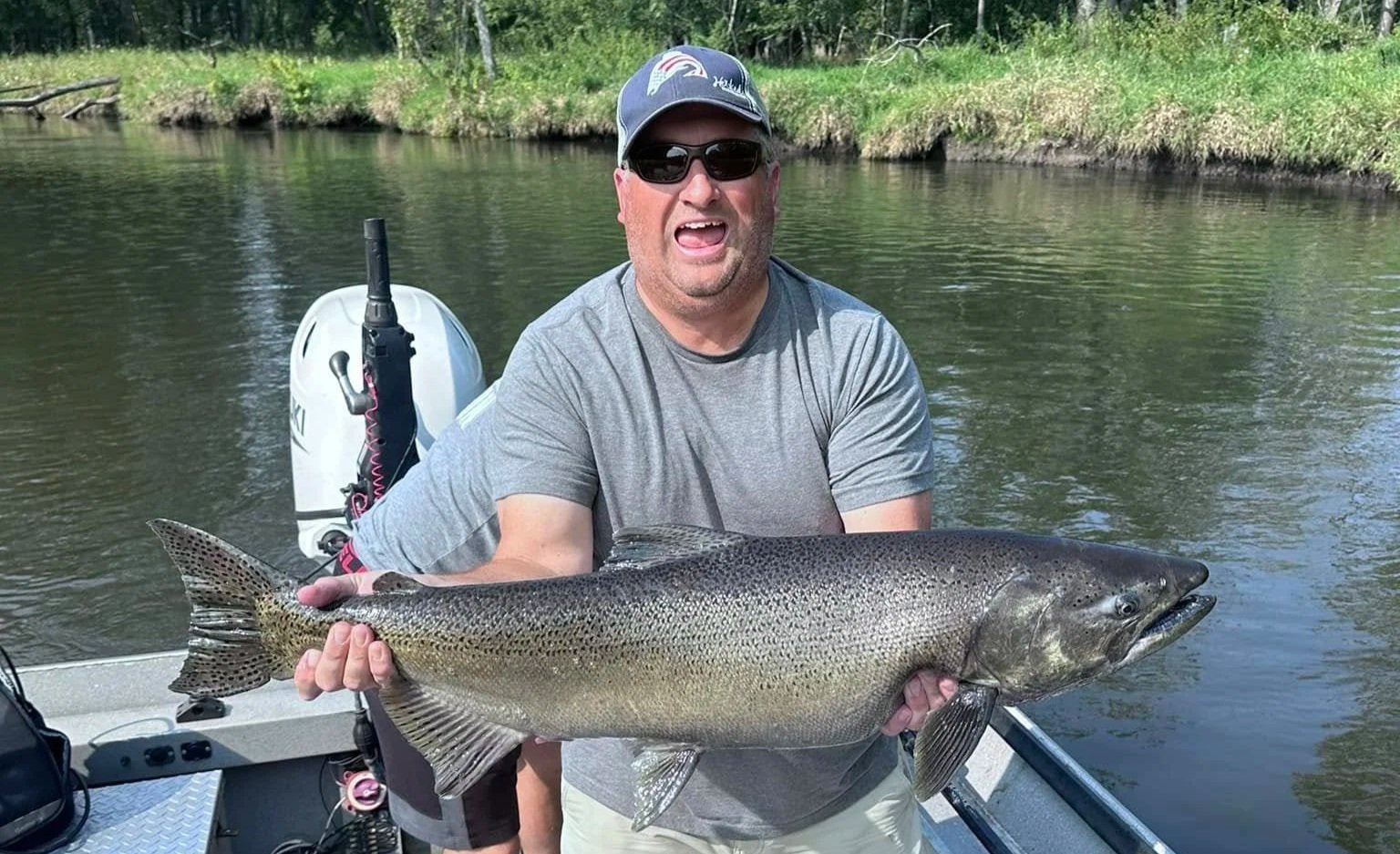
Captain Chris Bosse of Hooked Guide Service brings over three decades of experience guiding on West Michigan rivers. He shares that a lot more can go into float fishing and drifting beads than many people expect.
For booking a trip with Hooked Guide Service, message him on Facebook or call/text (231) 301-1738 to schedule an outing.
Whether you're planning a family trip, a solo adventure, or a group excursion, Captain Chris is ready to provide you with an exceptional experience on his 18’ custom-built, Headwater boat. Salmon trips are offered on the Pere Marquette River through the late summer into autumn. Additional excursions available include multi-species river trips and steelhead through late autumn into spring. Whether you are new or experienced, he provides a great service and a good time.
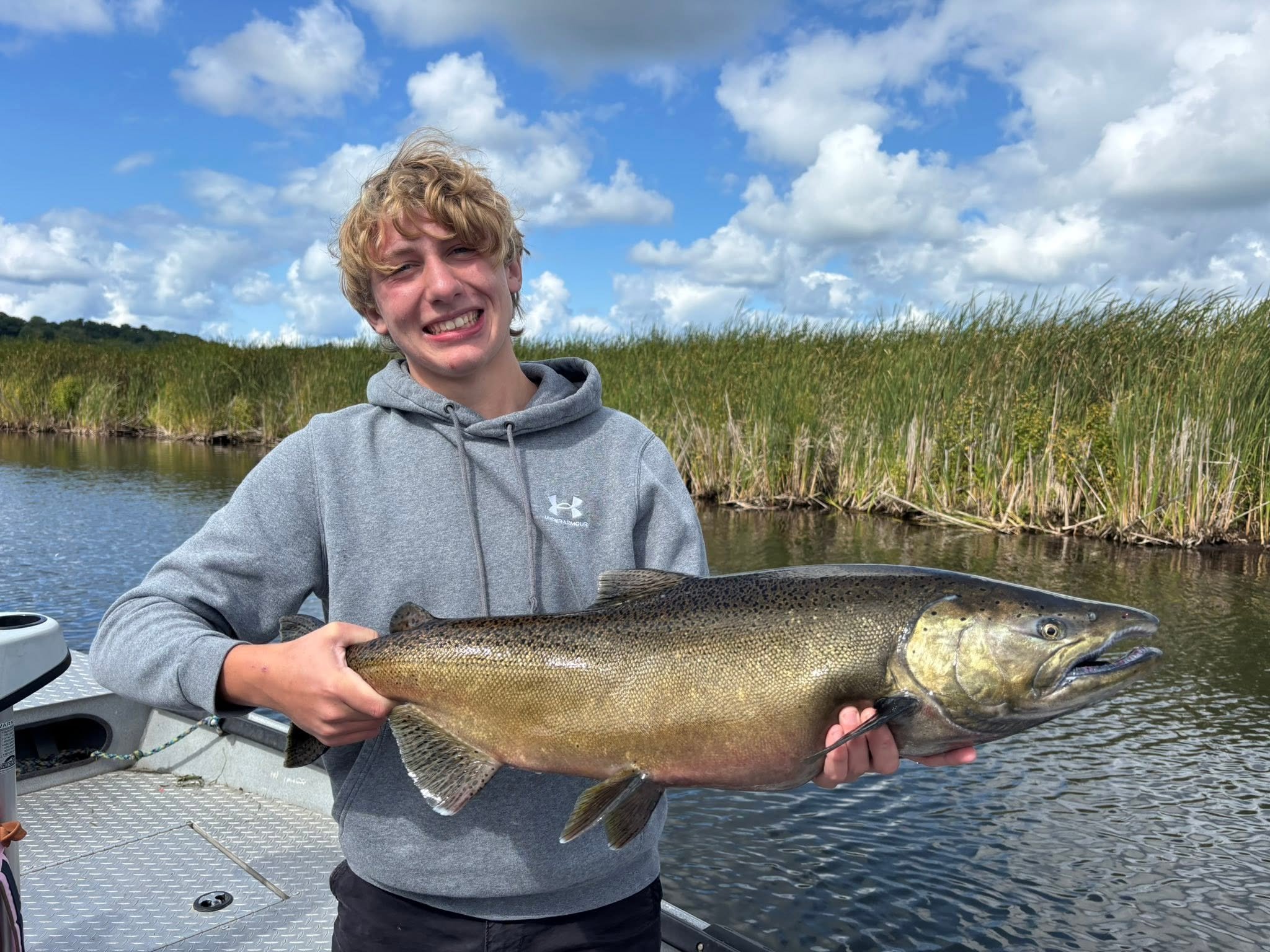
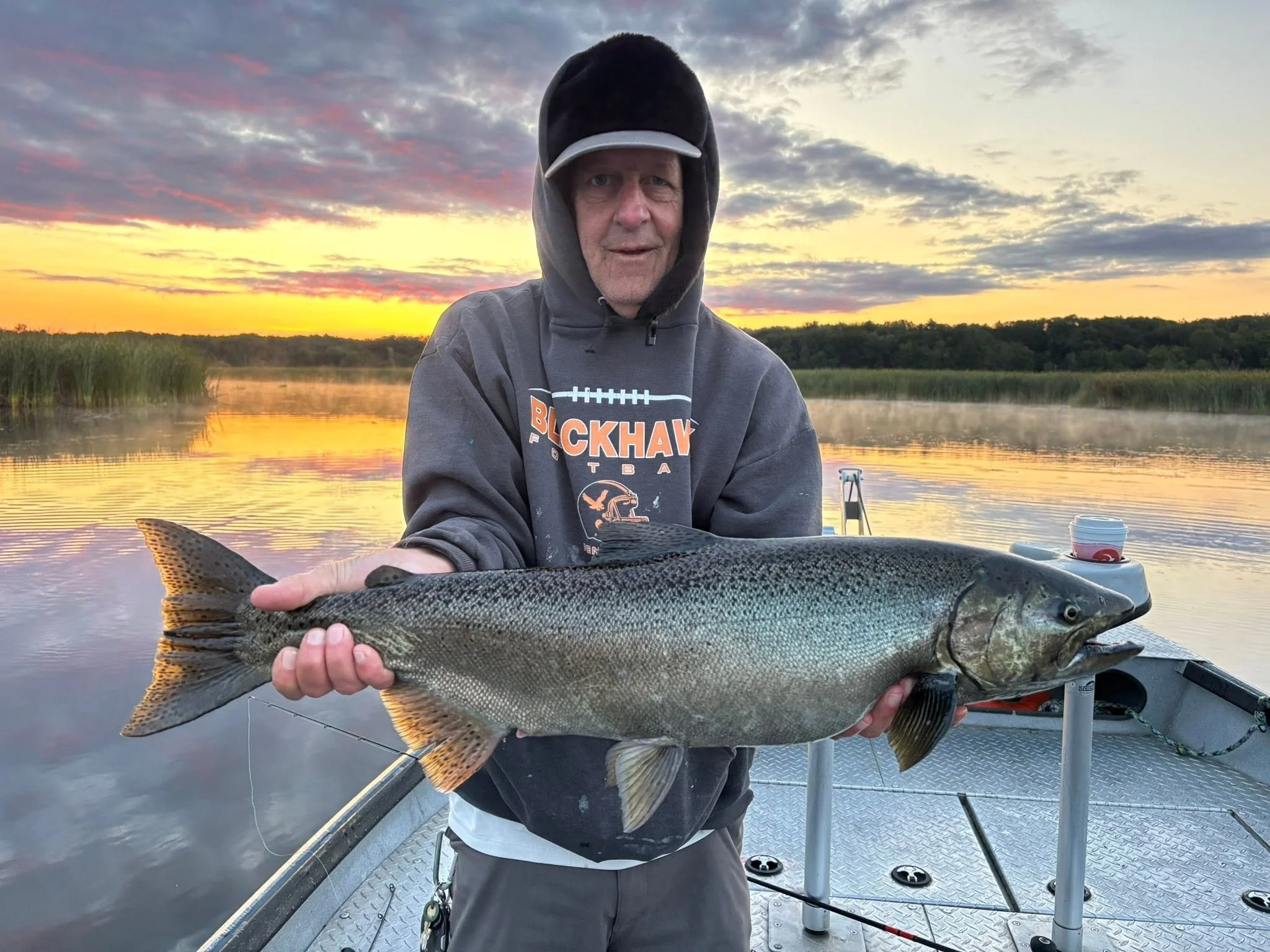
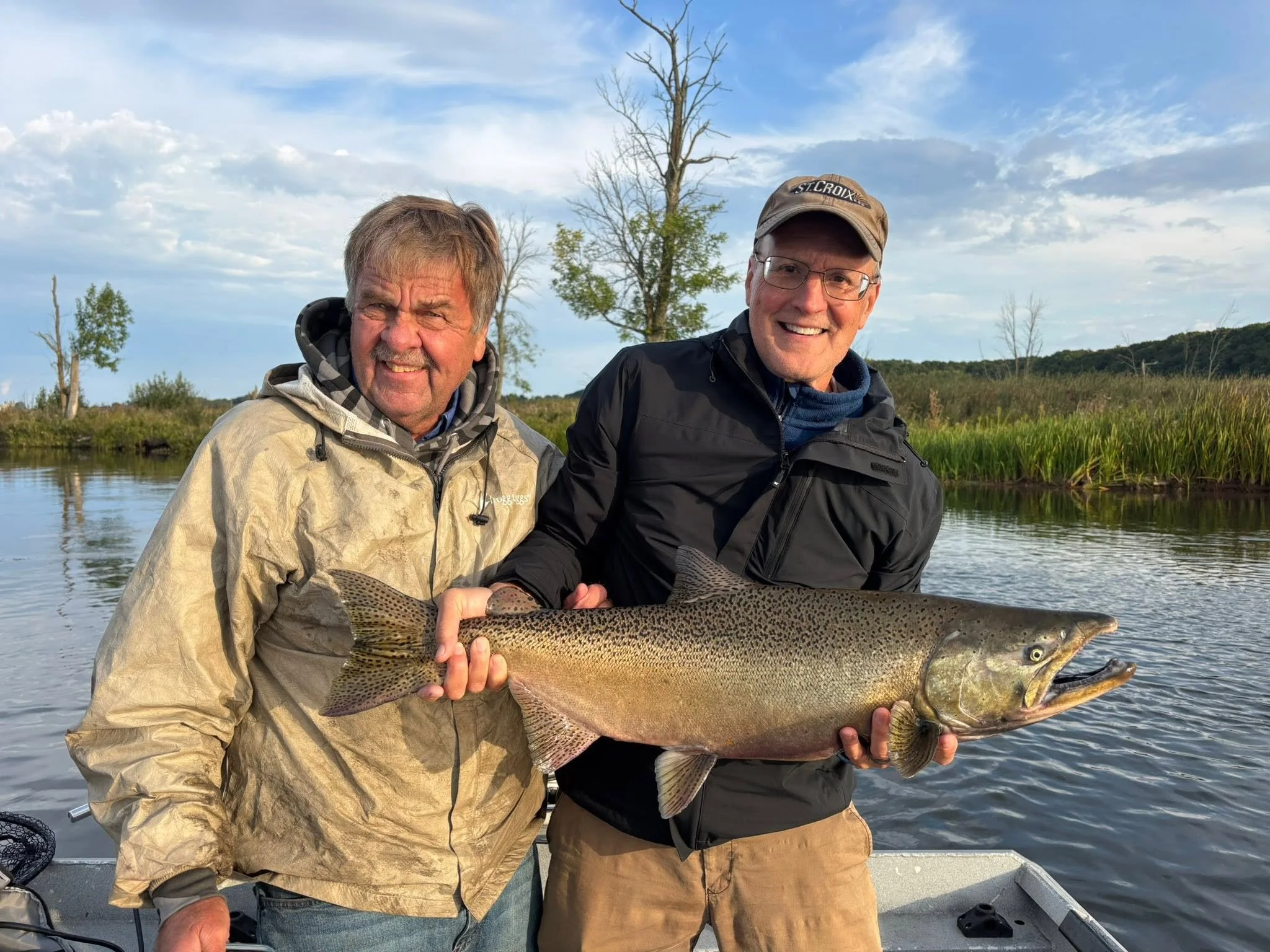
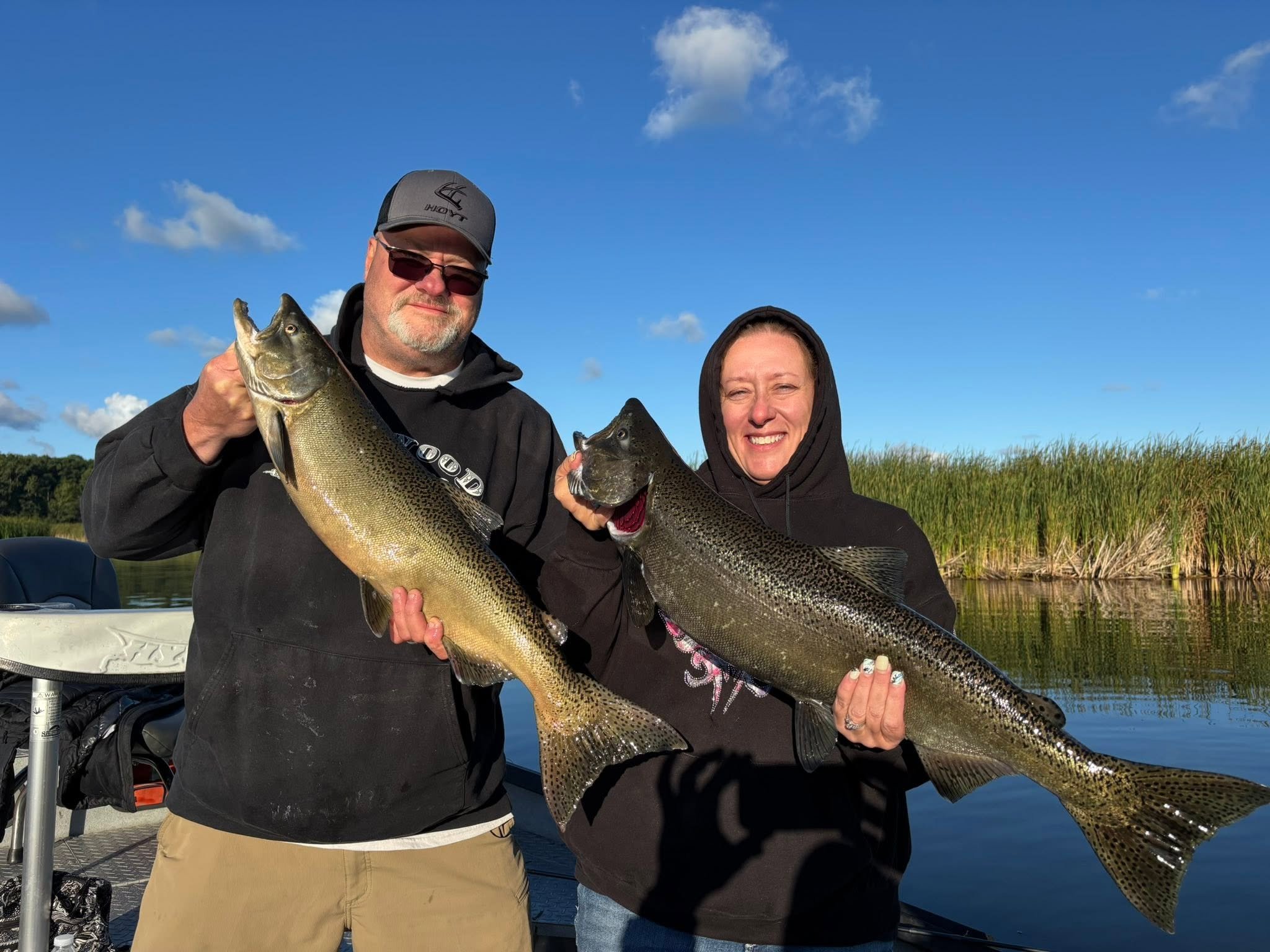
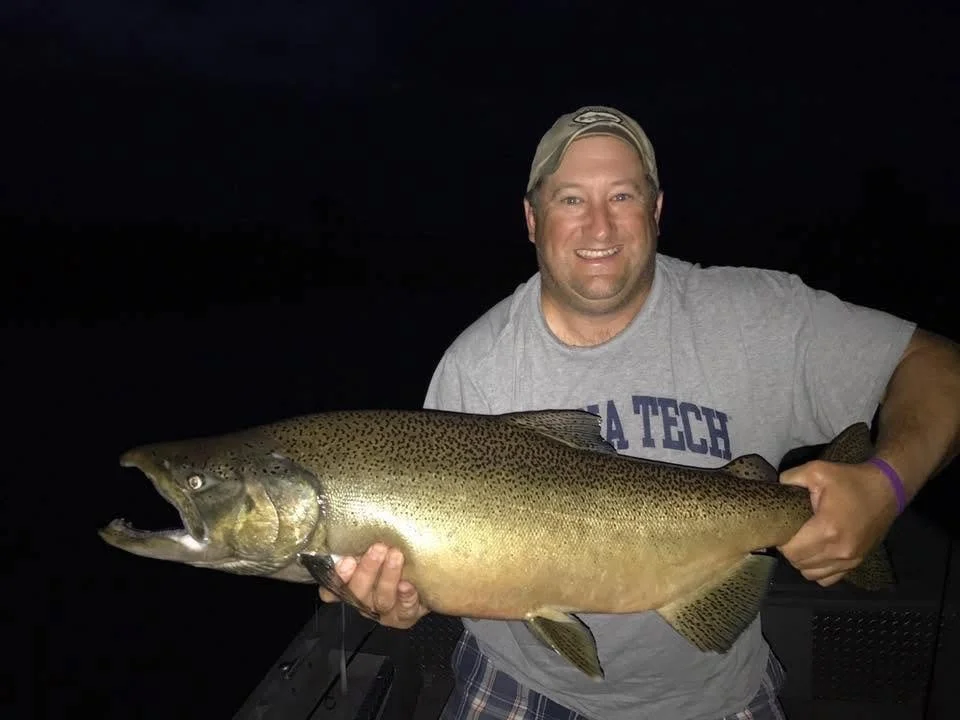
Don't miss the opportunity to create lasting memories while enjoying the natural beauty and abundant fishing opportunities that Michigan’s west side has to offer. Book your adventure with Hooked Guide Service today!
Foresight Fishing would like to take a moment and acknowledge Capt. Chris for sharing his knowledge, experience, and services. There are a lot of good captains out there, but he puts in the extra work to make him stand out make him highly respected across the region.