Monster Menu: Diversify Your Baits for Flathead Catfish- Feat. Spencer Bauer
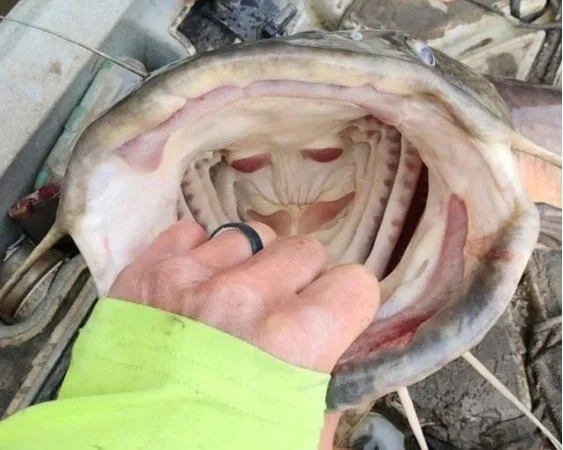
Flathead catfish have BIG mouths, but that does not mean they will eat anything. Being the king predator of the river, they can afford to be picky! (Photo Courtesy of River Certified)
The flathead catfish is arguably the most misunderstood river dweller. Apex predators and masters of their environment, flatheads are no dummies. When you rule the river, you do what you want and have the luxury of choice. Large and in charge, flatheads could hypothetically eat everything they wanted, but the truth couldn't be further. It is often overlooked how specific the baitfish may need to be when coaxing a strike.
In life, it is the little things that can mean the most. In fishing, especially targeting picky predators, small details that make a tremendous impact on flathead success. There is nuance to everything, especially when it comes with bait. The live vs cut bait debate has been alive and well in flathead circles for ages, with firm believers and success on both sides. The conversation gets really interesting when different species of bait are compared and debated.
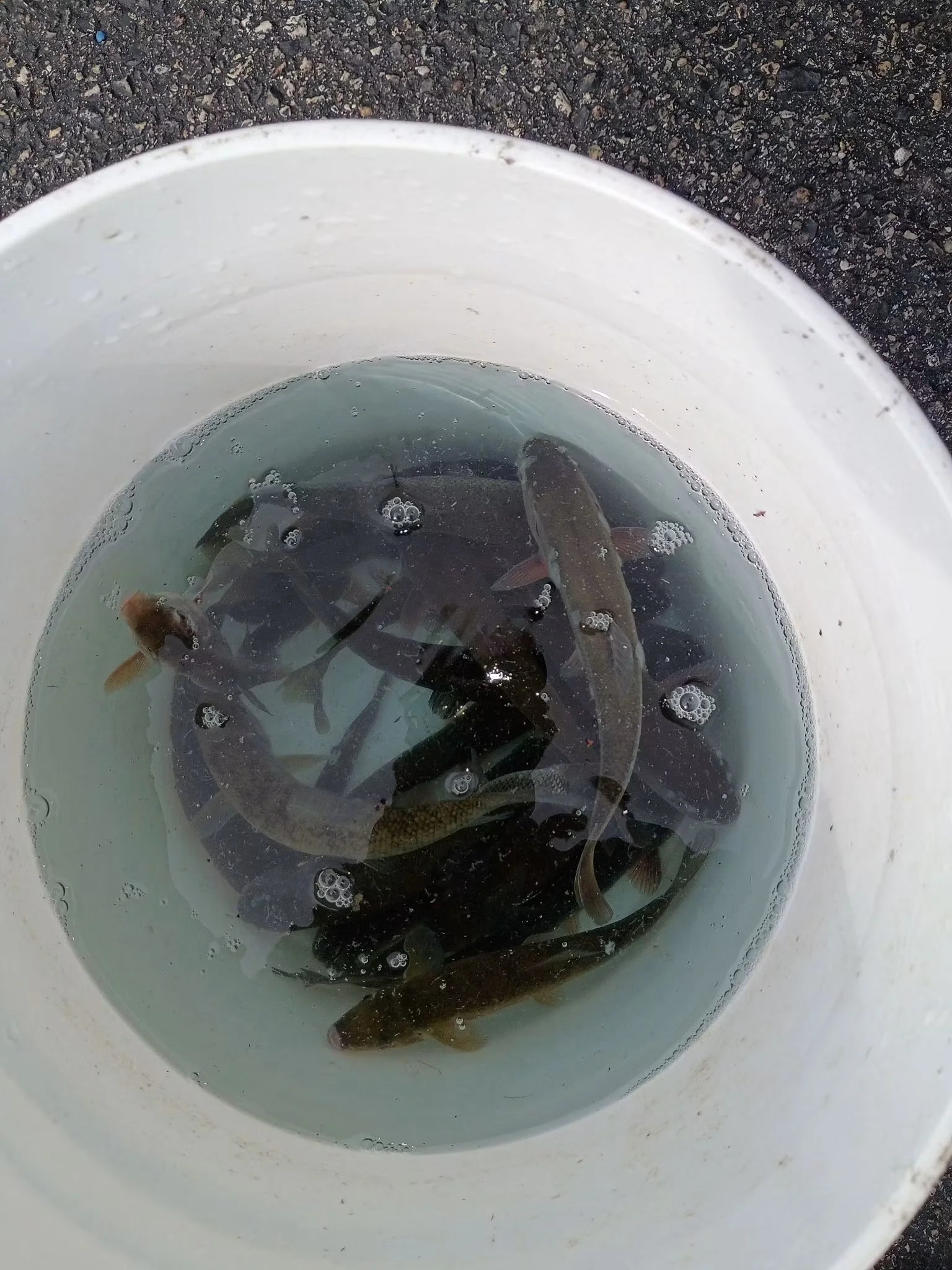
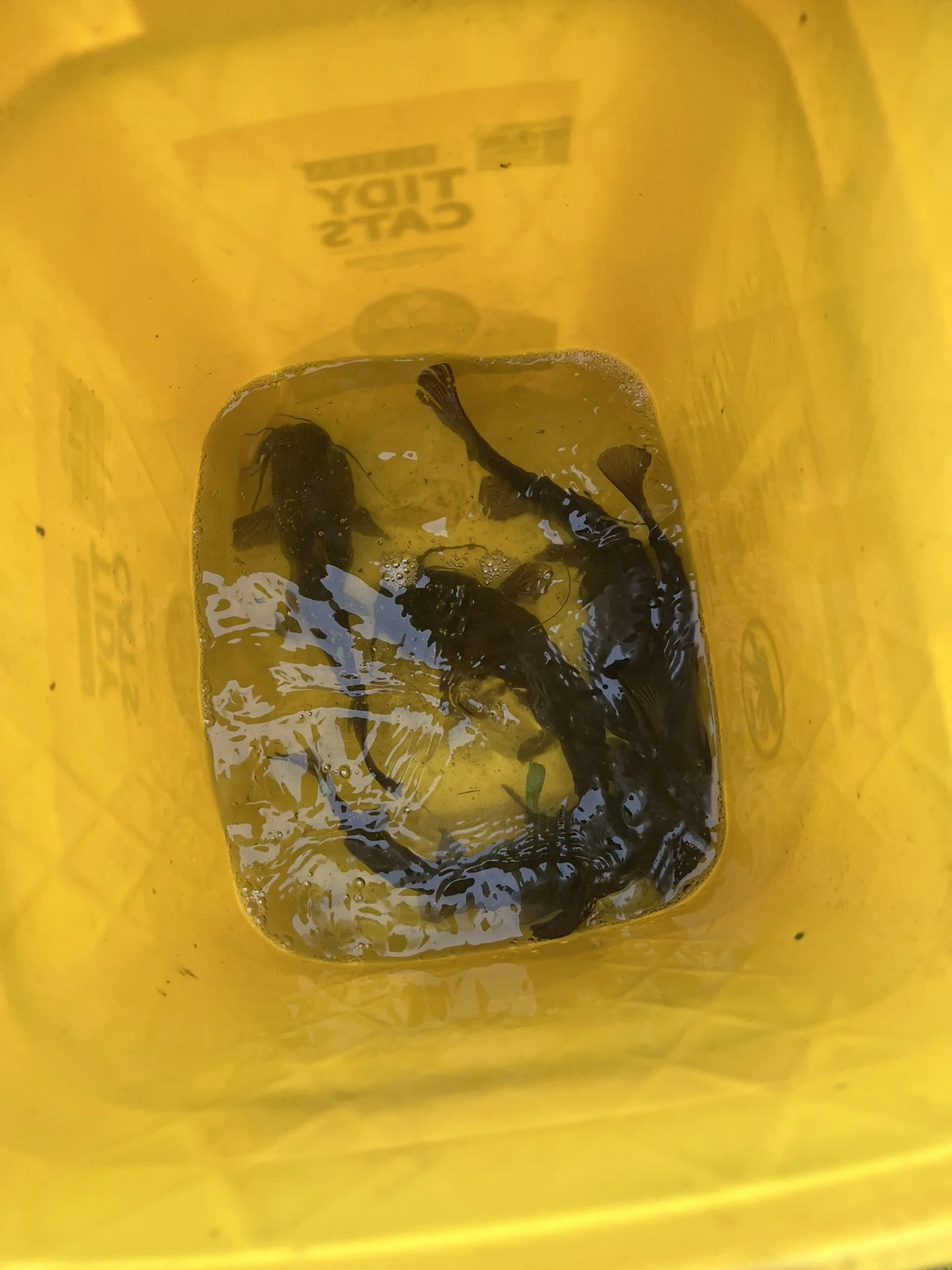
Variety is the spice of life. Having multiple species of bait fish is one of the most overlooked components of being successful with flathead catfish. Think of it like you are having a pizza party, you want options to suit everybody’s taste.
Fish do not always strike a bait to eat. They may strike as a defense or reflex. Flatheads are very territorial. Around the spawn, they may also crush a bait to protect the future of their eggs and offspring.
Like all things in fishing, there is room for nuance. Do you want good bait, better bait, or the best bait?
Cut bait
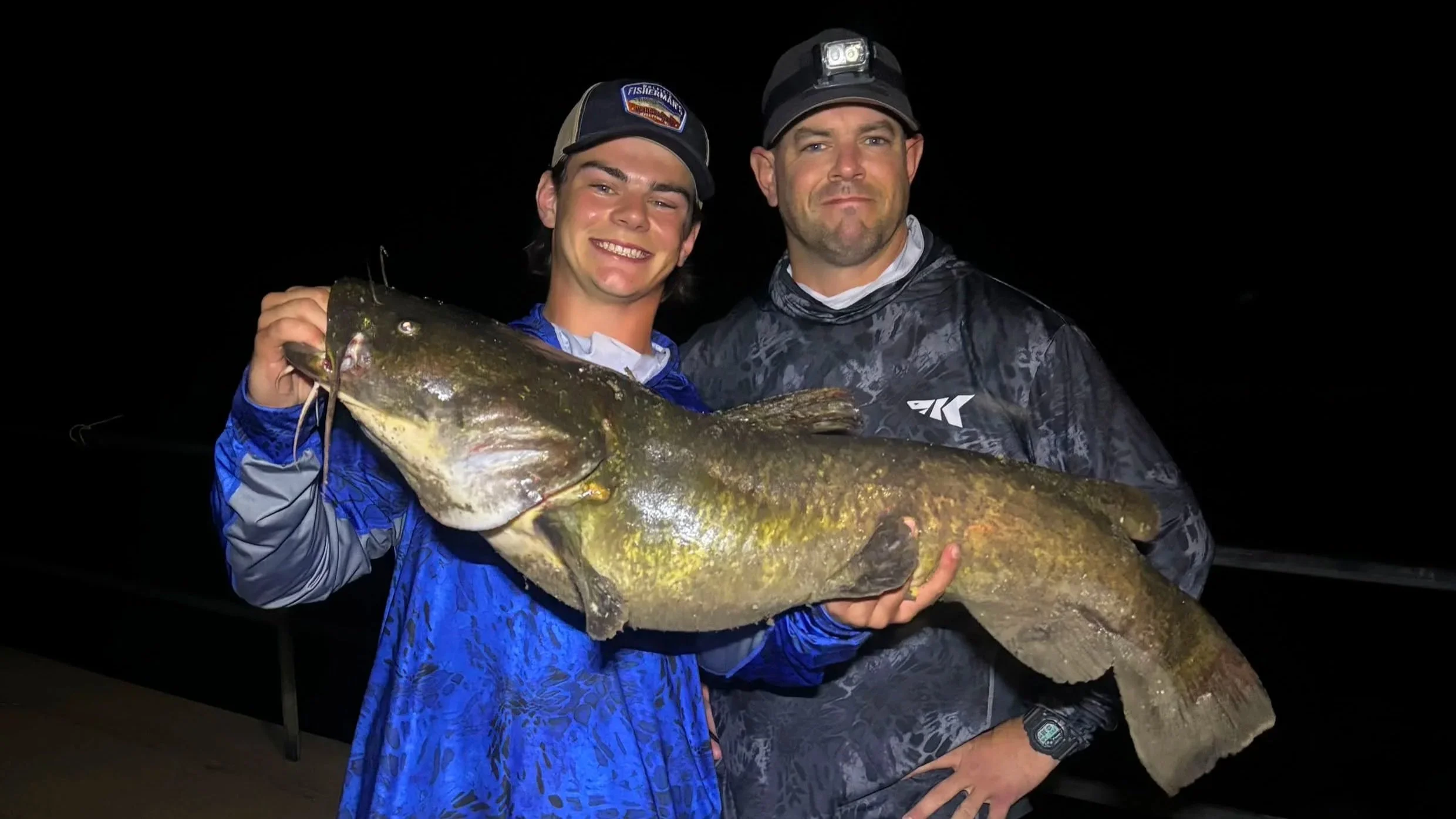
A great father/son memory! Aiden and Nick Sheridan show off a marvelous flathead caught on cut bait.
When it comes to flatheads, key importance and general consensus is freshness. Some successful anglers exclusively use cut bait, agreeing that fresher the better. How fresh exactly? Bait that has been immediately dispatched. Keep the bait alive right up until use. You’re not going to want to rely on bait that has been deceased and in the freezer as your first choice.
Flatheads are predators- not a scavengers. They will consume easy pickins that imitate a recently dead baitfish. Blood and oils from the bait will release an explosion of scent for flatheads to key in on.
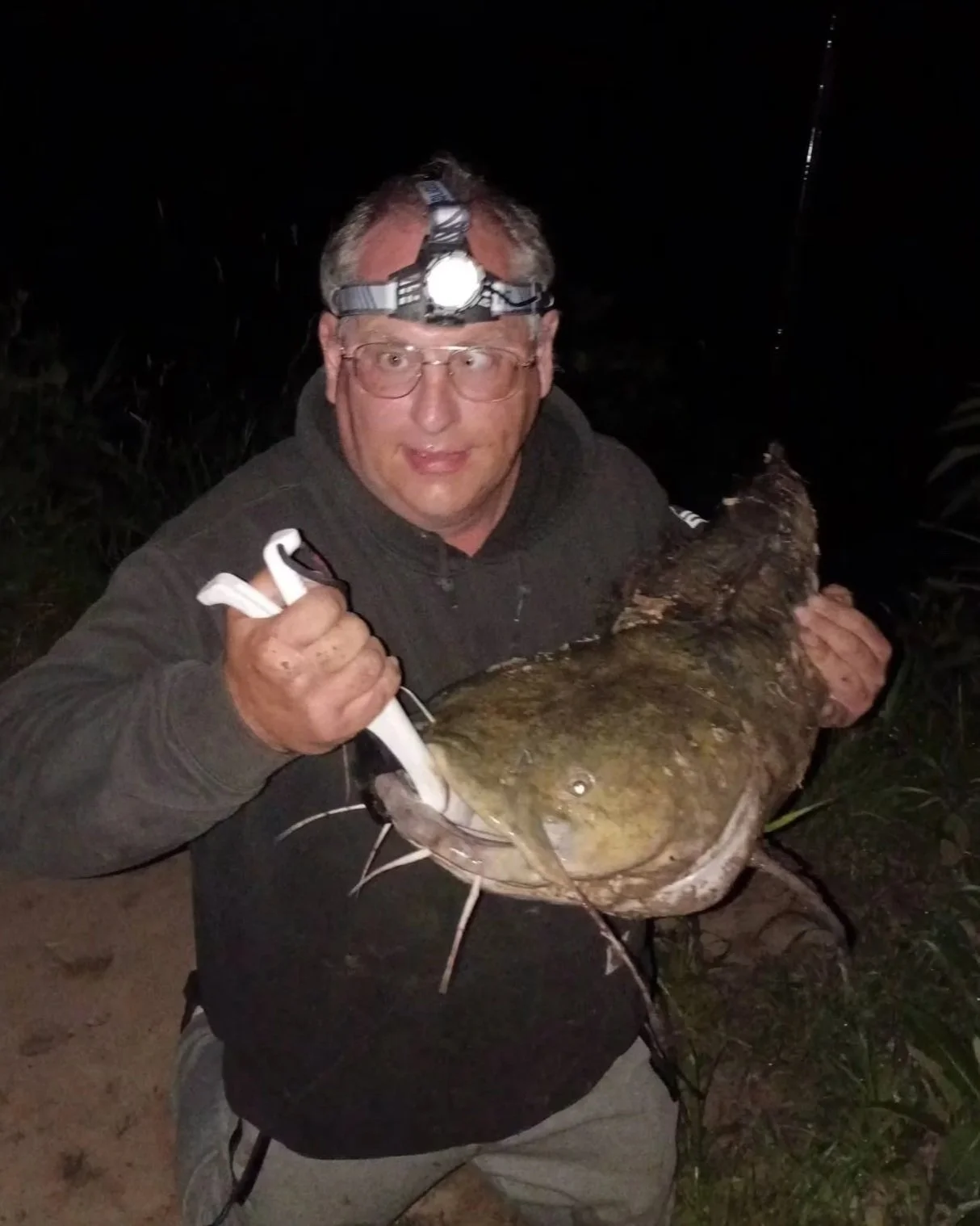
Frank Ribble, a Michigan flathead master, puts a lot of his confidence in FRESH cut bait.
Things to remember about cut bait is to use an appropriate size. If you find yourself trying out cut bait, larger sized chunks may be needed to keep off small channel cats or other bycatch species. Sometimes when the bite is tough, going small can be the answer, often under a bright moon.
Flathead catfish can be peculiar. Cut bait works, it doesn’t matter if its suspended vertically, on a Santee Cooper rig, or sitting on the bottom.
Even sitting on the bottom, there is one caviat- cut bait works best when it is fresh! There will be times where they eat anything, while others they may want a piece of something dead off the bottom.
Some anglers believe flathead prefer cut bait around conditions where a cold front had moved through, the barometer is high, or they are being lethargic.
Types of Baitfish
When it comes to baits, having variety can be a factor of supporting success with flatheads. You might think "bait is bait", but apply it to other forms of fishing- would you want to be limited to one thing for bass or pike or walleye? Surely not, give them options!
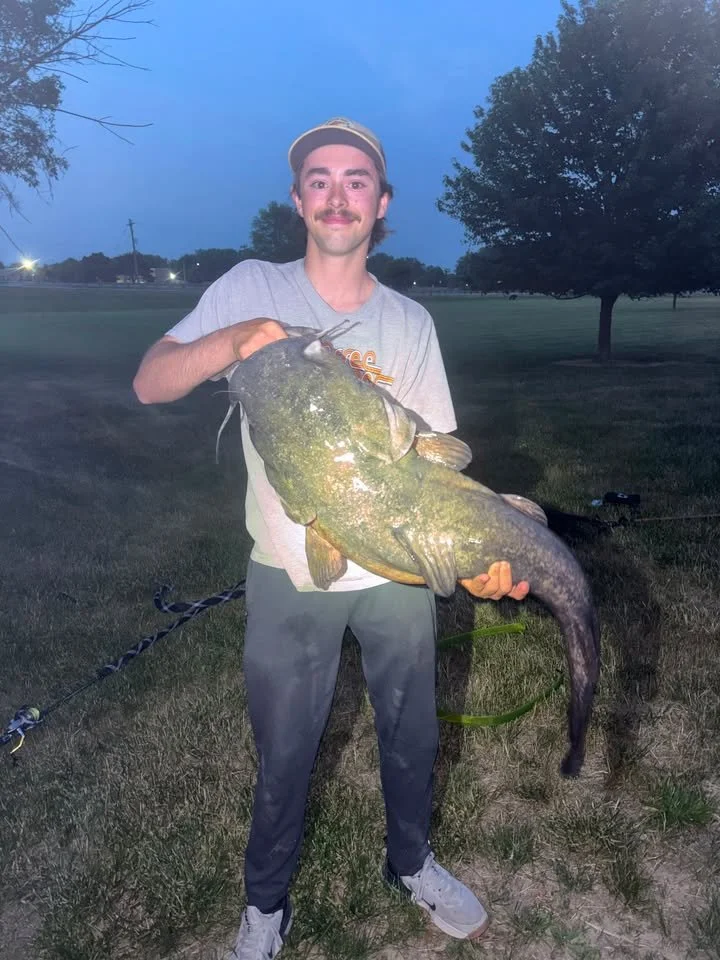
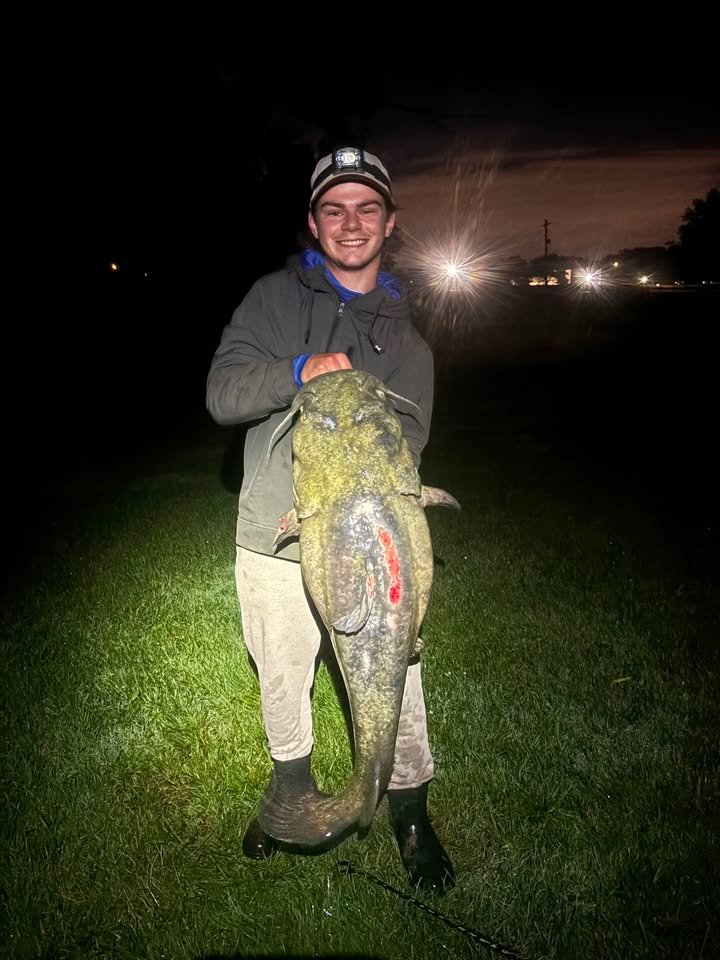
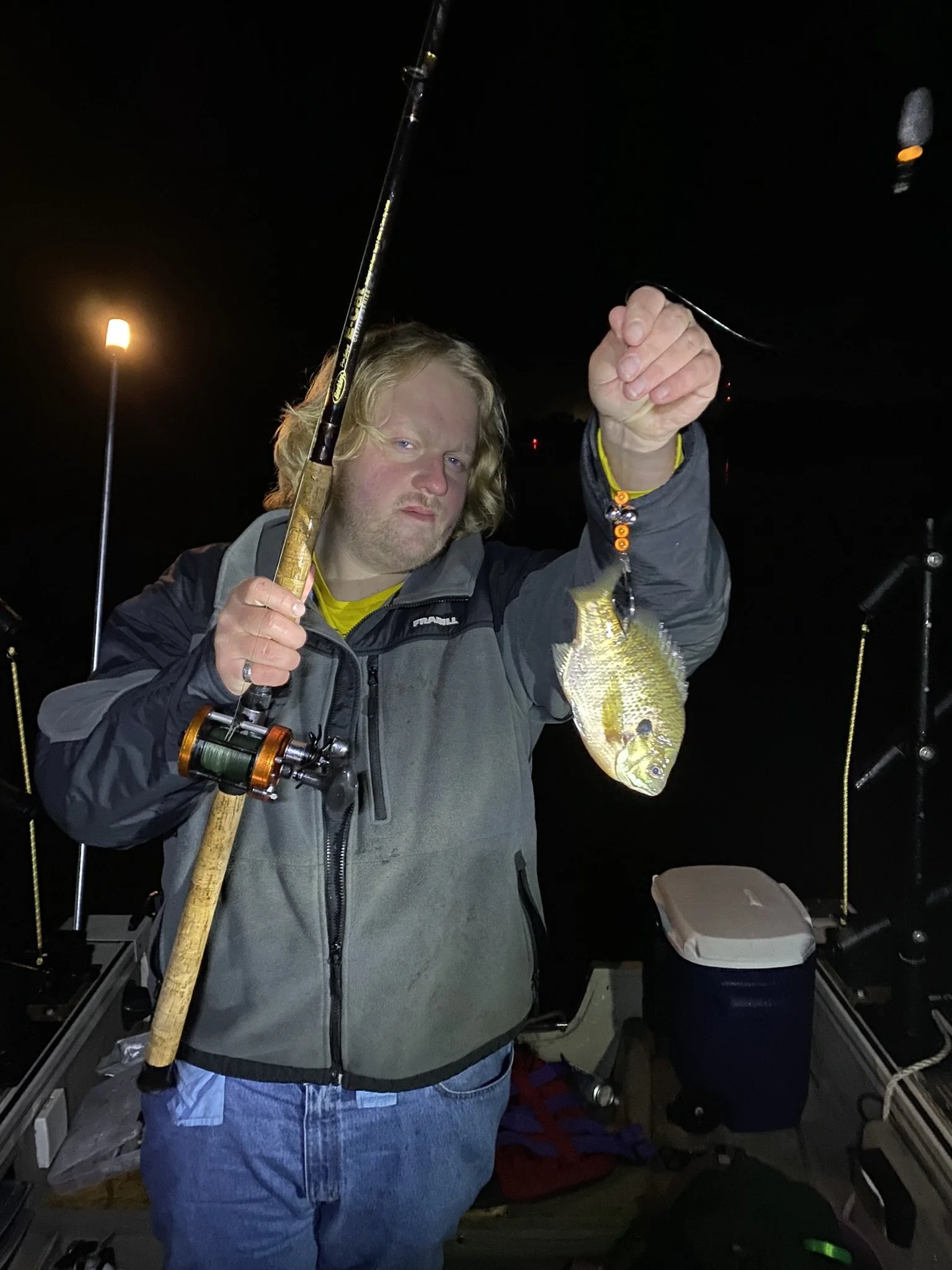
Think like a flathead and a biologist. Like all fish, the flathead will prefer the baits that live and are abundant in wherever you may be fishing. Being a top tier predator, flatheads have the ability to choose or be picky. Flatheads will see a bait they could eat and consider the payout/risk. An 8-inch sucker is mostly muscle and slides down easily because they are soft and easy to consume. Compare that to an 8” bluegill that is deep-bodied, has spines, and harder scales. While a flathead is certainly capable of eating a bluegill, they are more difficult to eat.
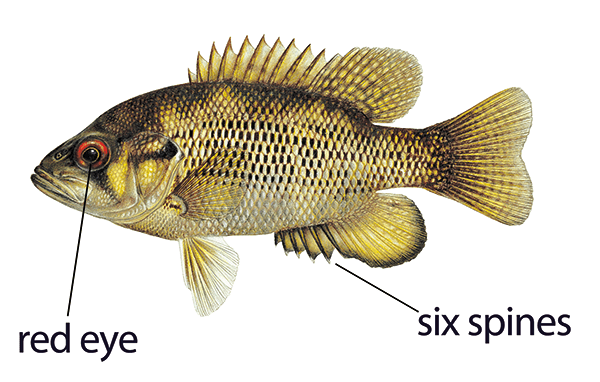
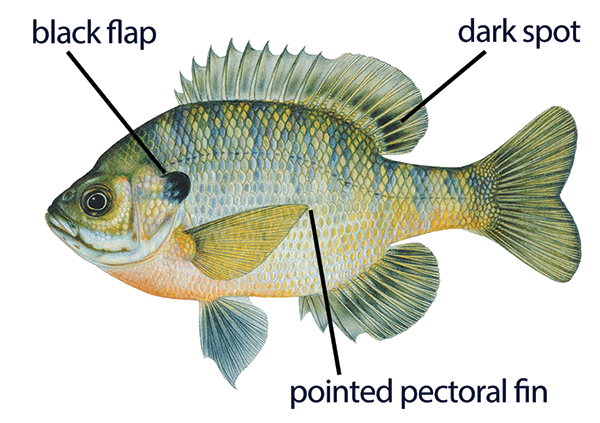
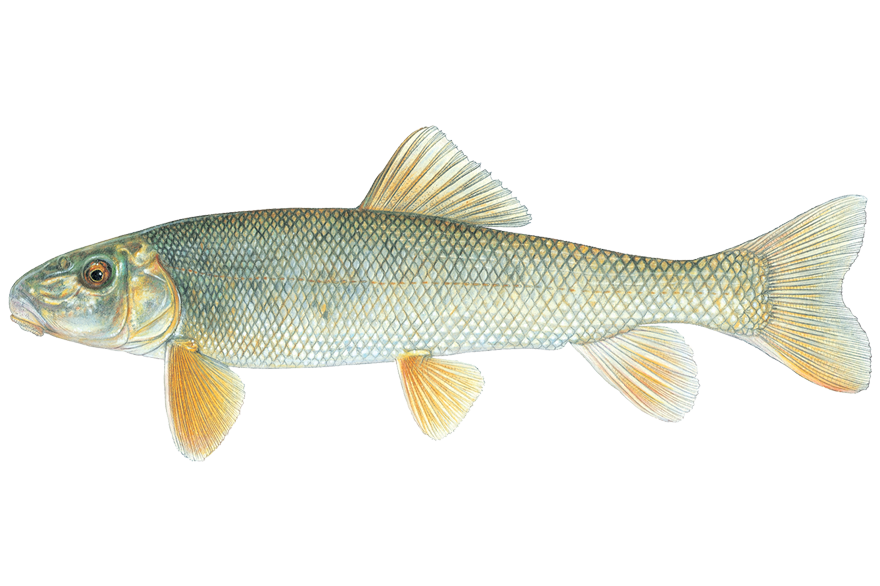
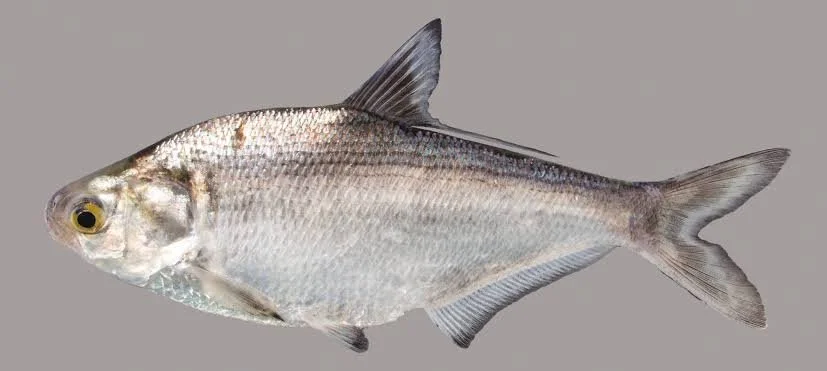
Rock bass, sunfish, sucker, and shad, are found wherever flatheads live. Use what is native to where you are fishing to make the meal familiar! (Michigan & Iowa Dept. of Natural Resources, Florida Museum of Natural History)
While sunfish are the go-to, some species work better than others. Green sunfish are a favorite to many because of their grit to stay active on the hook and remain alive. Compared to others, they can tolerate the stresses of being bait better than others. They can withstand warm water, being handled, being hooked. They are tough all the way around and flatheads love them. Green sunfish are also likely to be in areas where flatheads congregate around shoreline cover, creeks, etc.
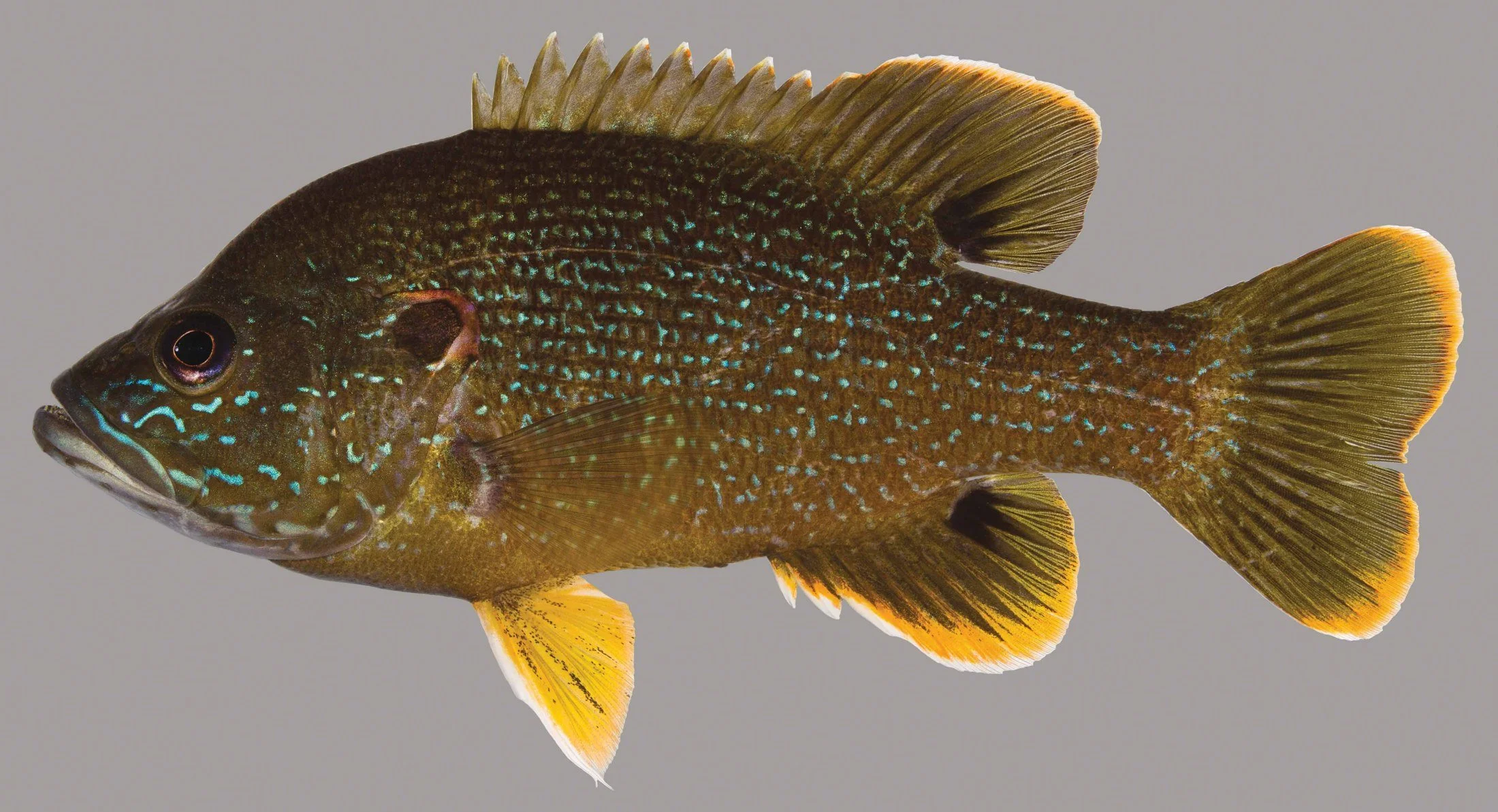
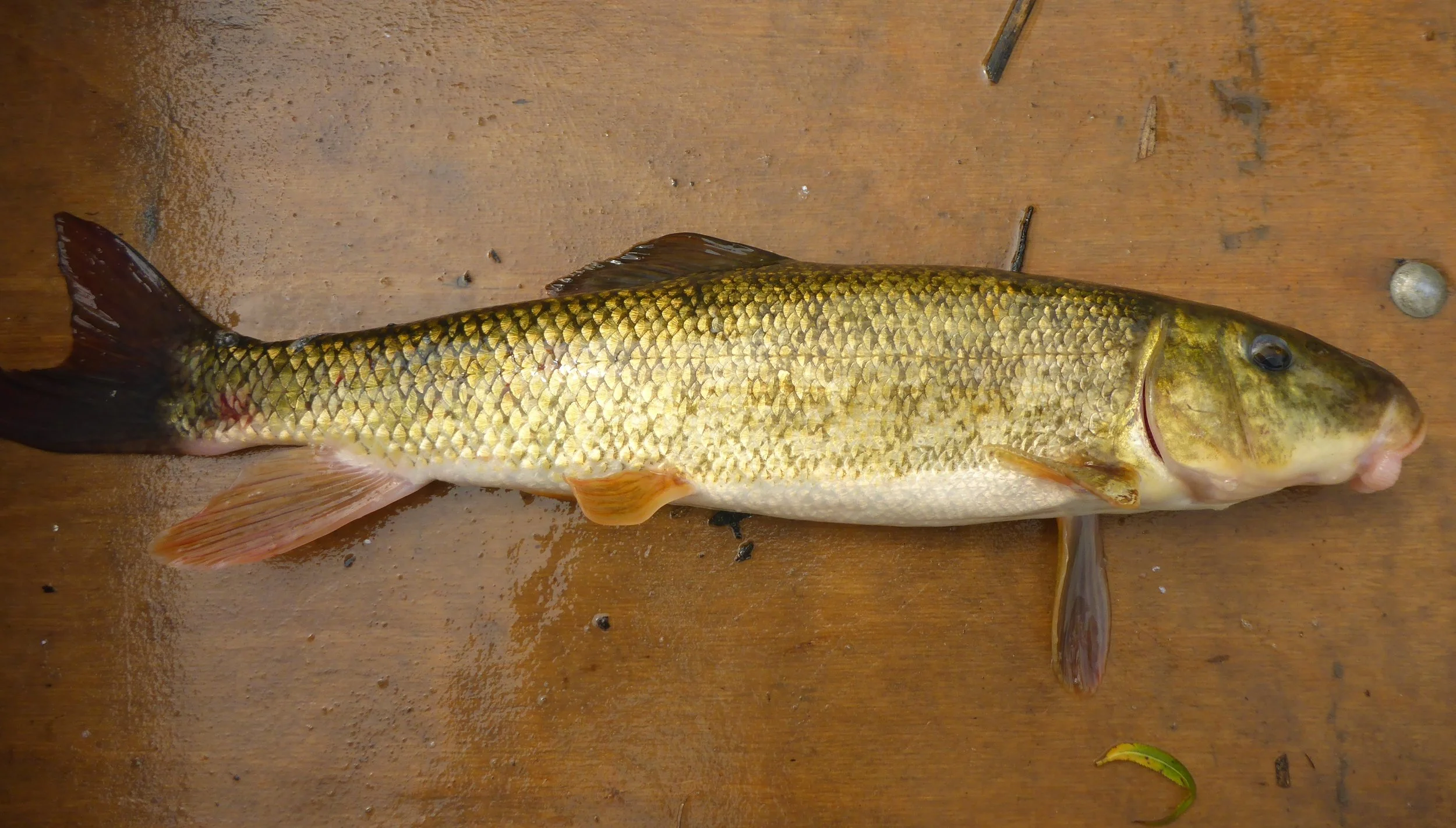
Above: Green sunfish and suckers are great choices to deploy. Flathead have a hard time resisting them! (Florida Museum of Natural History & Iowa Dept. of Natural Resources)
When you see a baitfish, consider what it would take to be eaten and how it would hold up on a presentation. Big-bodied baitfish, like white bass, rock bass, crappie, sunfish, etc., all perform differently. Even if it is not supersized, it can still be big-bodied. Flatheads need to be in the right mood to commit to one of these.
Bullheads: Good from Dusk ‘til Dawn
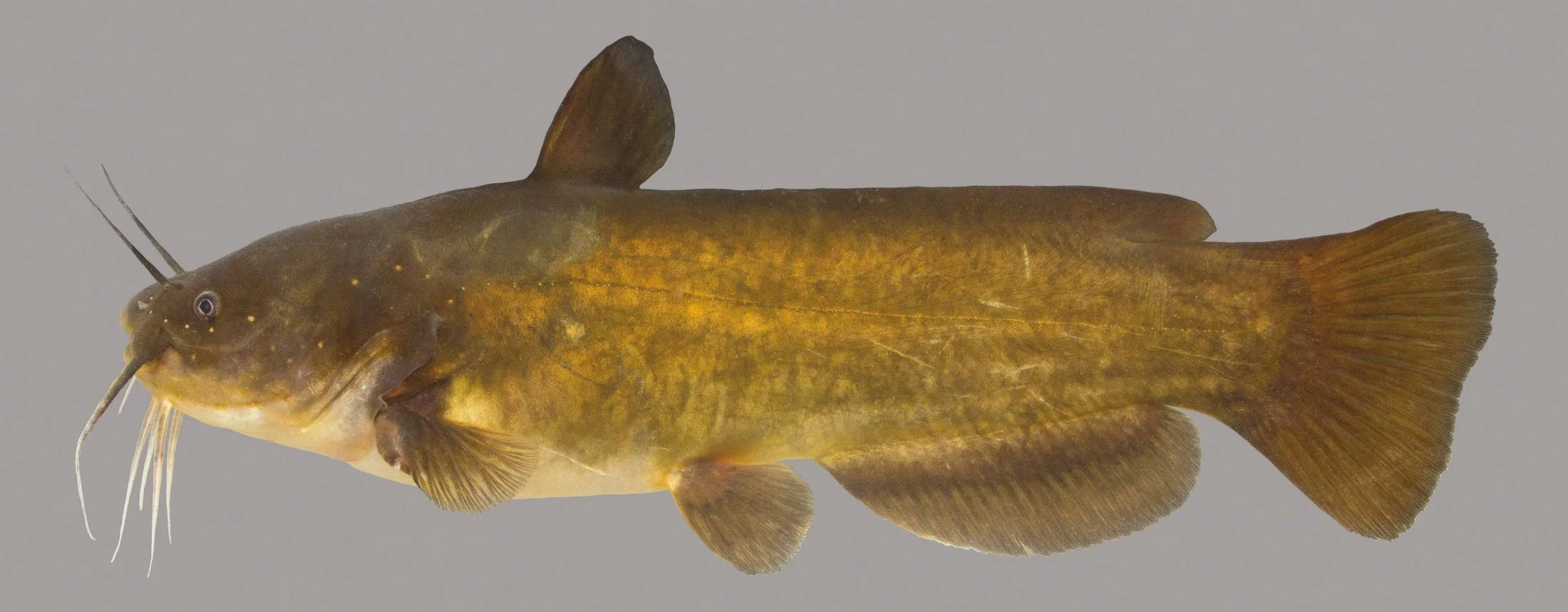
Yellow or brown bullheads can be a stellar bait to use for flatheads for multiple reasons. (Florida Museum of Natural History)
Having bait options is always a good thing in fishing, especially with flathead catfish. When it comes to targeting these shovel-headed monsters, bullheads are often the bait of choice for seasoned anglers for times and places. Their toughness, natural appeal, and ability to stay lively for hours make them effective. While they’re not the easiest or flashiest baitfish options, bullheads bring reliable performance and stamina to every cast into a chance of a magnum memory.
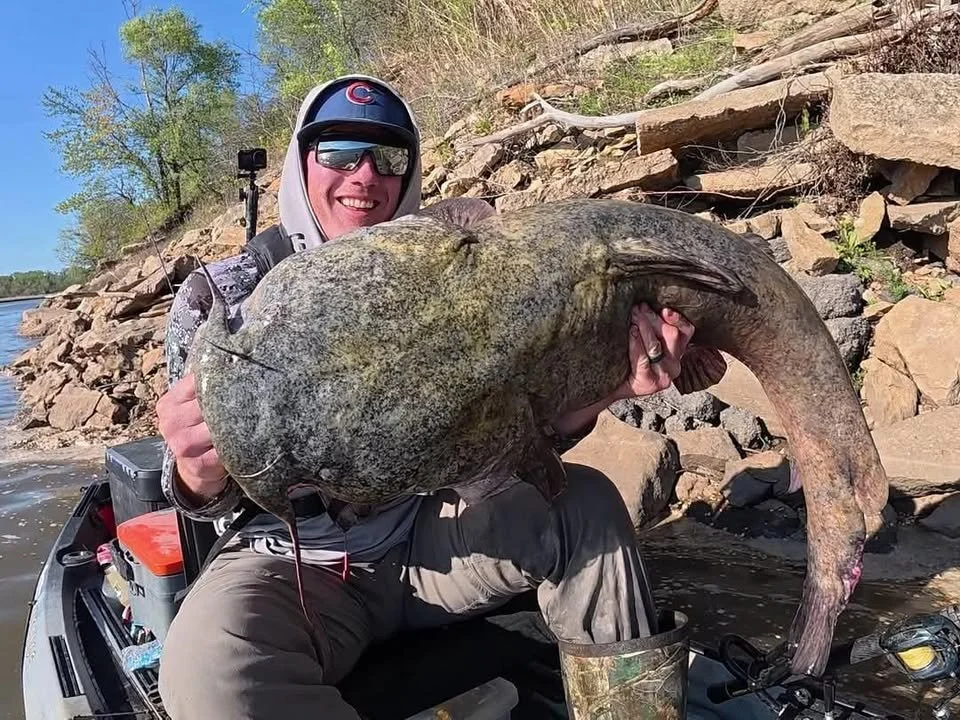
Spencer Bauer is a licensed captain, popular YouTuber, and catfish guru. For those who may have seen his videos, he deploys bullhead quite often to tempt a magnum shovelhead. They are tougher than other baits by a country mile. Because of that, they have earned the top position as his favorite live bait fish.
“If you are going to soak a bait all night, a bullhead has a spirit to keep going the whole time. They swim and struggle on the hook so much more compared to other bait options, it can call in a flathead and get their attention.”
Built for the Long Haul: A single bullhead can last all night on a hook.
Bullheads are incredibly hardy, surviving in rough conditions that would kill most baitfish. Across the spectrum of flathead bait, shad are quick to die, sunfish can stay alive for some time, but a single bullhead is the most long-lasting, showing off potential for many hours. That constant motion sends vibrations through the water—exactly what a flathead waits to feel.
Flathead catfish naturally feed on bullheads in the wild. They recognize the size, shape, and movement. That familiarity triggers big, confident strikes, especially from territorial flatheads. Bullheads are an option that shine bright, especially when fishing around cover and spawning areas.
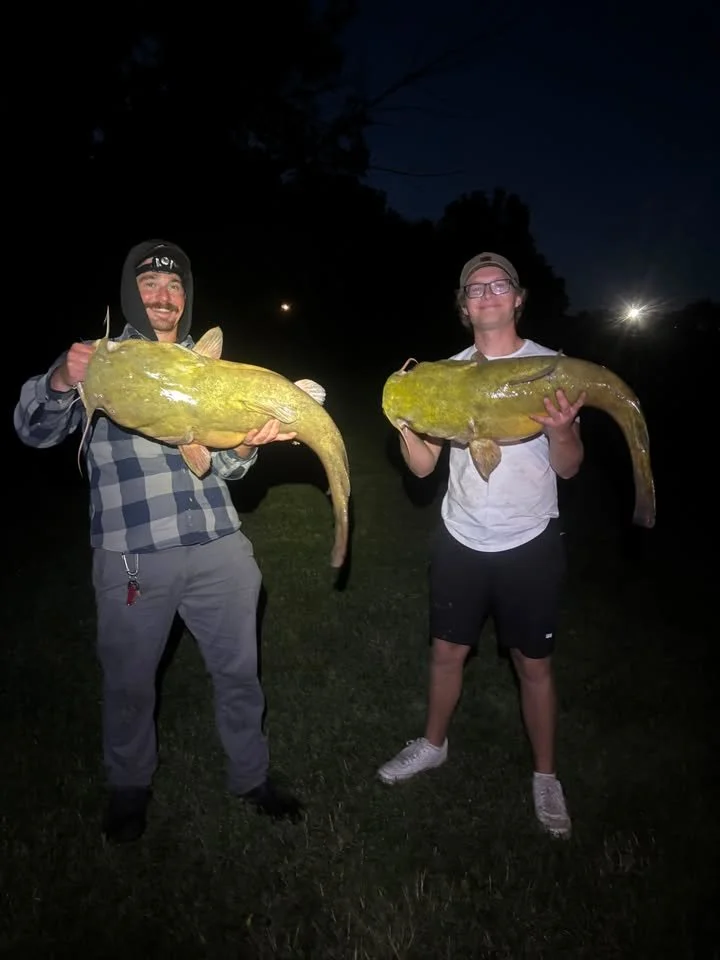
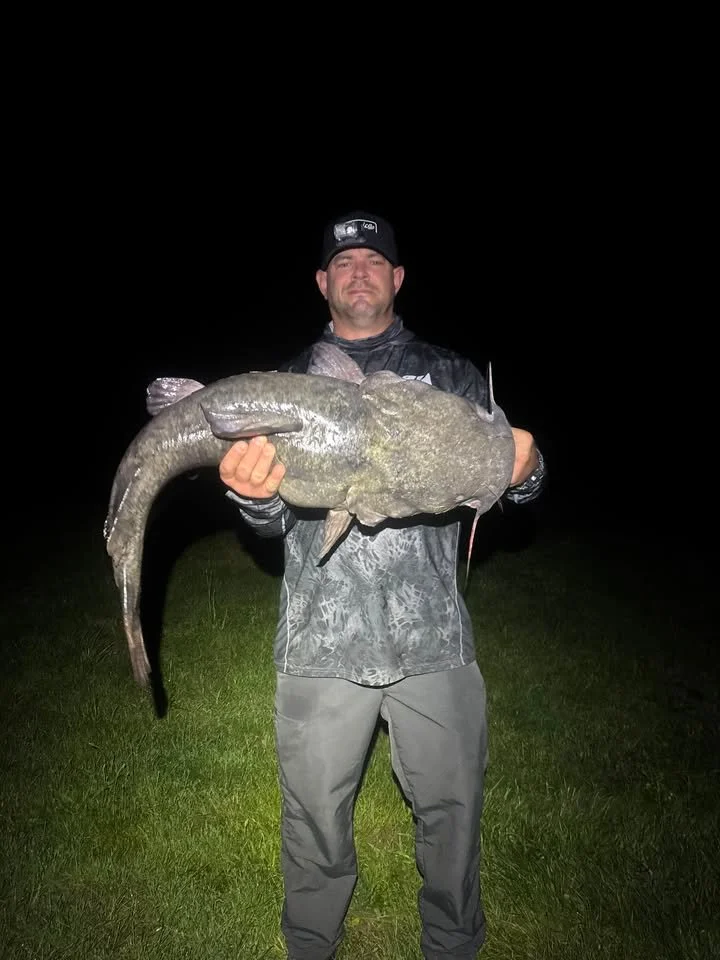
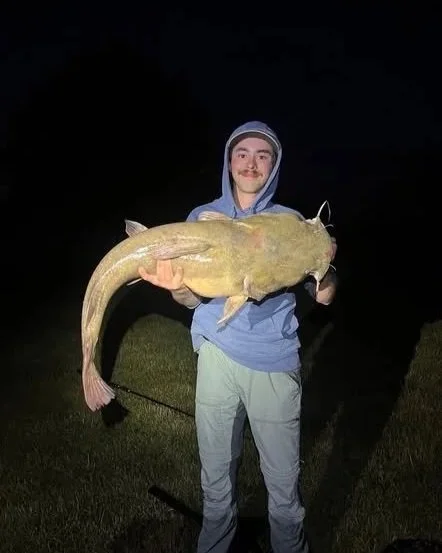
Bullheads are easy to catch if you know where to look. Shallow backwaters, muddy creeks, and small ponds can hold good numbers. A simple worm on a small hook or small jig, fished under a bobber, is the best way to get after them. When you think that a mucky creek or little pond might not be worthwhile, you may be surprised how abundant they can be when you find the right spot.
Considering size and rigging
Size plays a big role in presentation. A bullhead in the 5 to 8-inch range is usually perfect—big enough to tempt trophy cats but small enough to move freely and stay lively. Over sized bait will discourage smaller flatheads and channel catfish from biting. When using a bullhead that is 9”+, a double hook rig is recommended.
To get the most action from a bullhead, hook it just behind the dorsal fin or through the upper lip for strong current. Octopus, Khale, or hybrid circle hooks, sizes 8/0 and 10/0, do the job best. The standard Carolina rig gets the job done, but anglers need to keep in mind the snag potential. Keeping bullheads on a short leash with a zero rig or fixed three-way rig. Whether you use mono or braid, be sure that your reel is ready for action when a big flathead strikes hard and dives for cover fast. Keeping an eye on the rod tip, a Bullhead will fight back and let you know it are still down there.
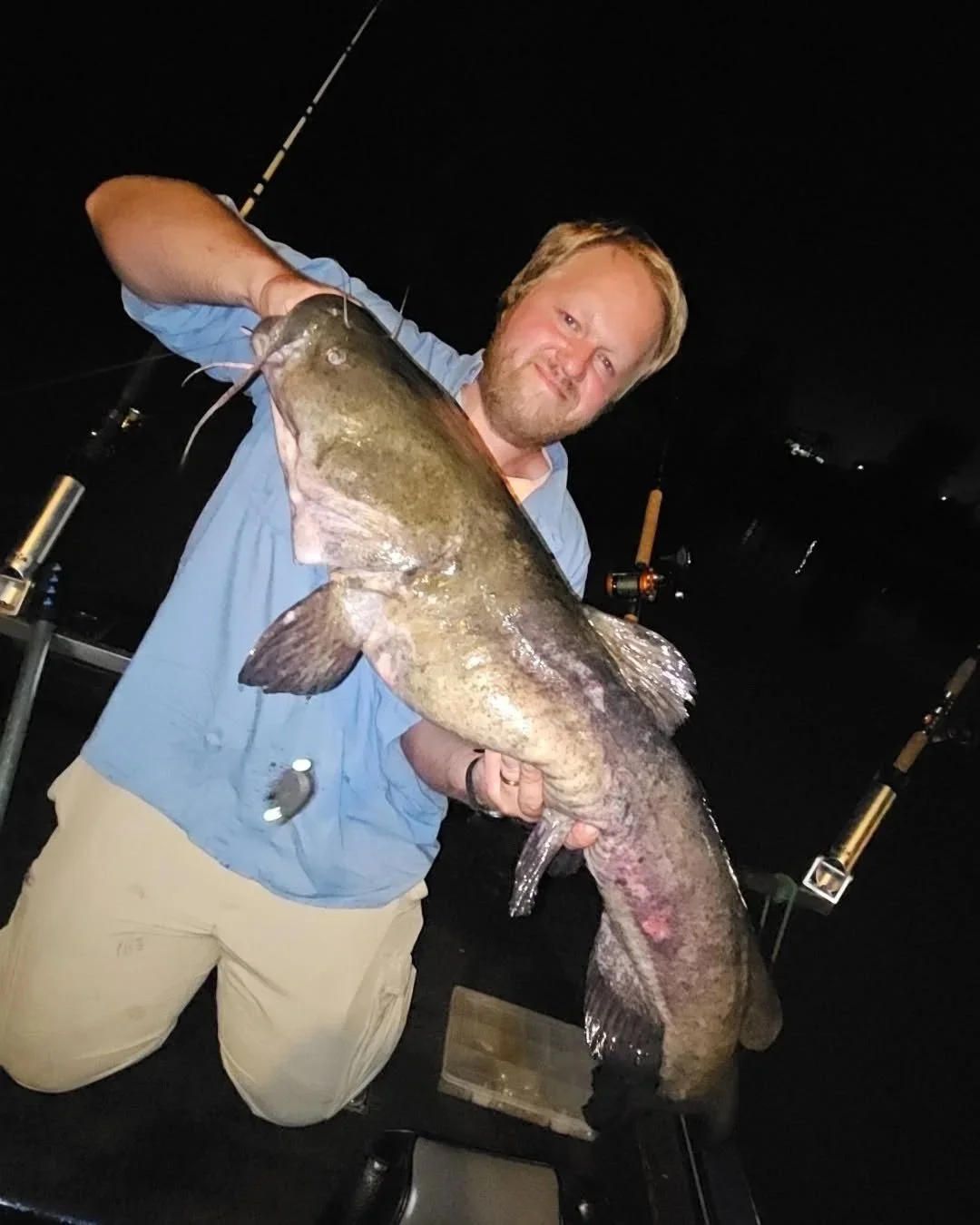
If you’re serious about chasing flatheads, having multiple baits will improve your chances at hooking up and connecting. When the right presentation is offered, a specific bait can turn a quiet night into a story you’ll tell all year. Fish safe, smart, and pay attention to the small details when on the water.

A special word of appreciation is shared with Spencer Bauer of River Certified for sharing his insight and photos. To keep up with his ventures or to book a guided trip in the central/southern USA, follow him on Facebook, Instagram, YouTube, and RiverCertified.Com.
Additional gratitude is shared with Aiden and Nick Sheridan, Frank Ribble, Sam Washburn, Isaac Smith, and Logan Moore for their contribution to this piece. Thank you!
All photos have been used with expressed permission directly or have been used within free use guidelines for educational purposes including properties shared from the Michigan and Iowa Dept. of Natural Resources, and the Florida Museum of Natural History. Foresight Fishing Media 2026.