

Great Cats of the Great Lakes: Magnum Channel Catfish
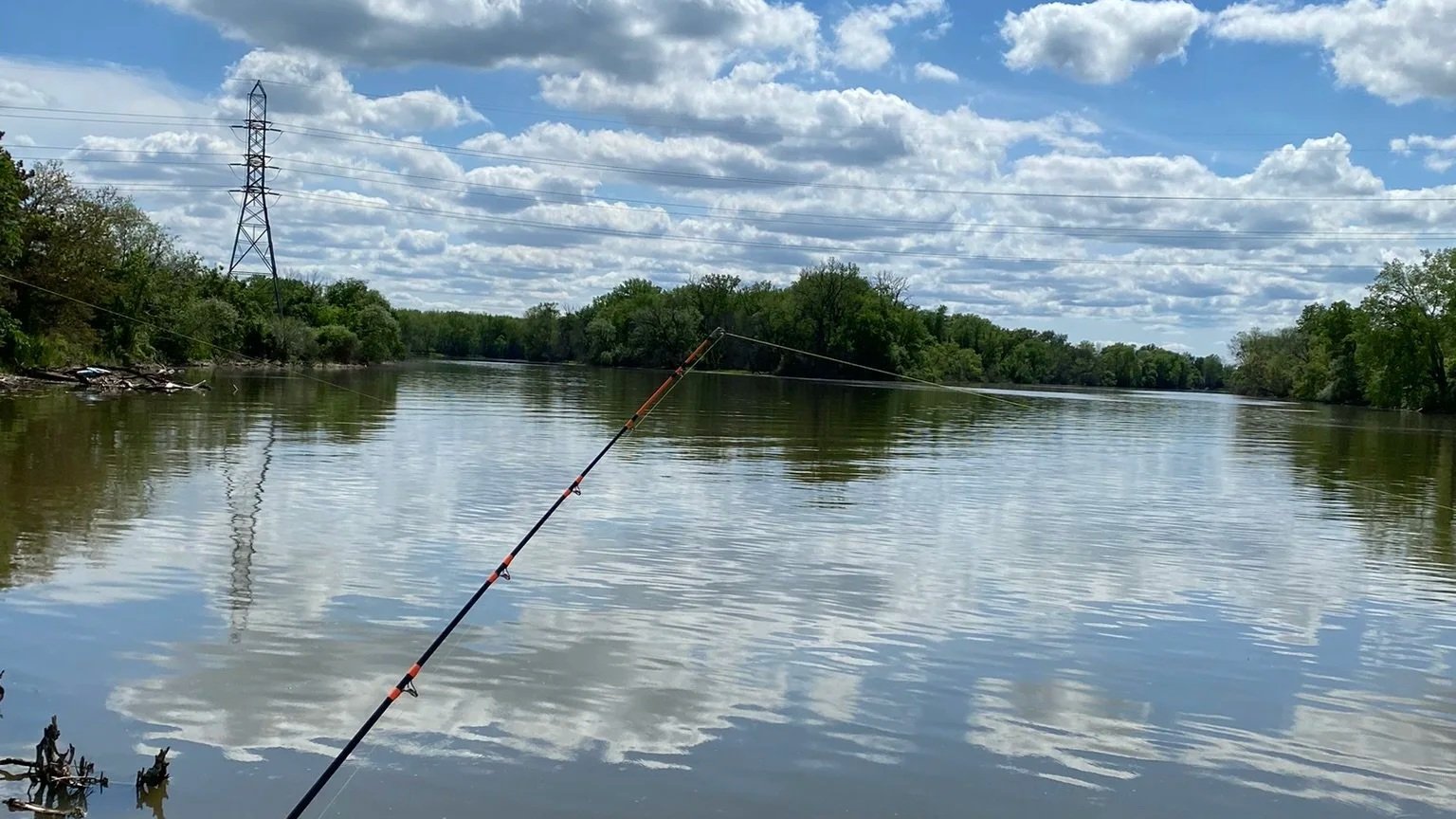
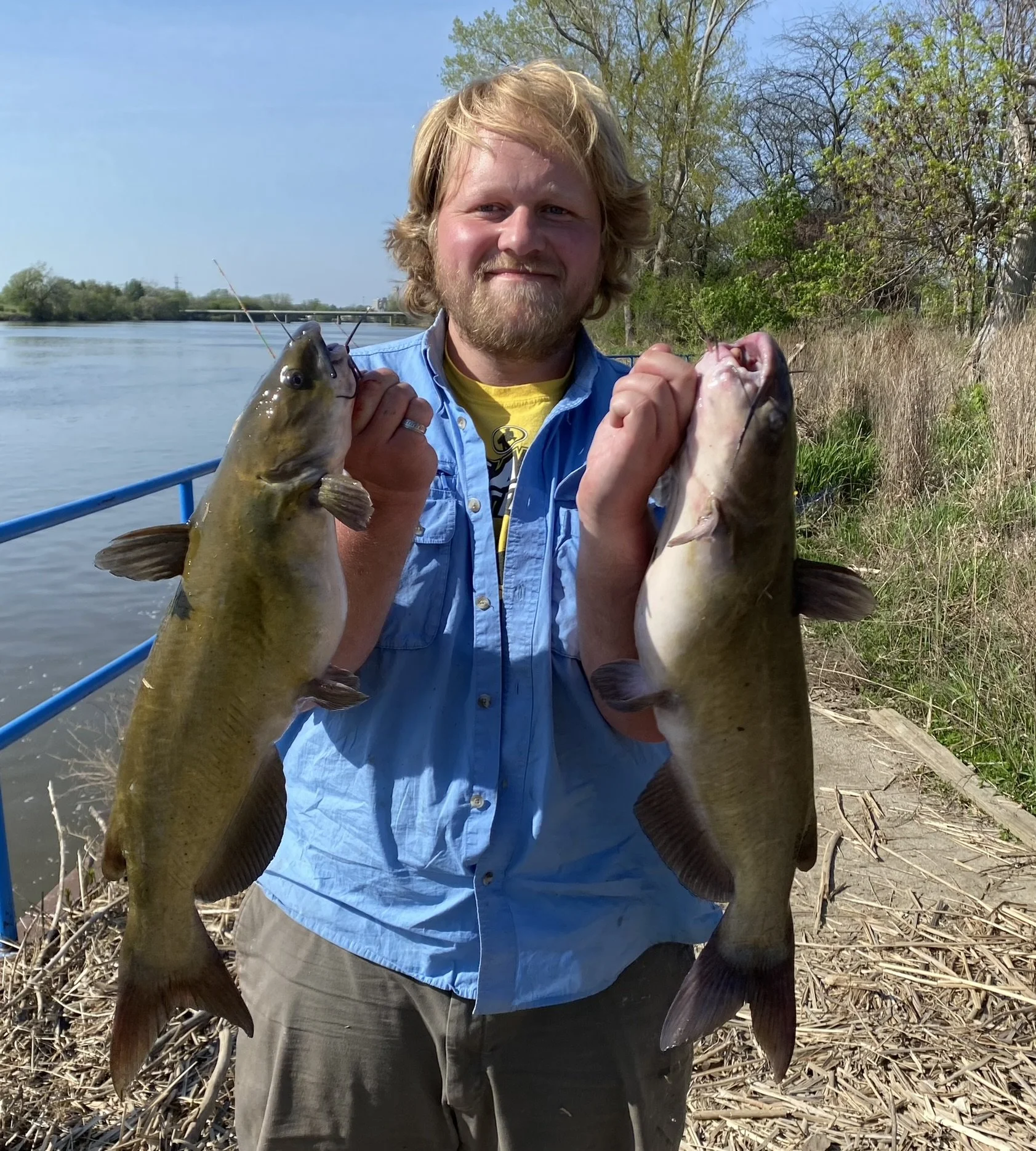
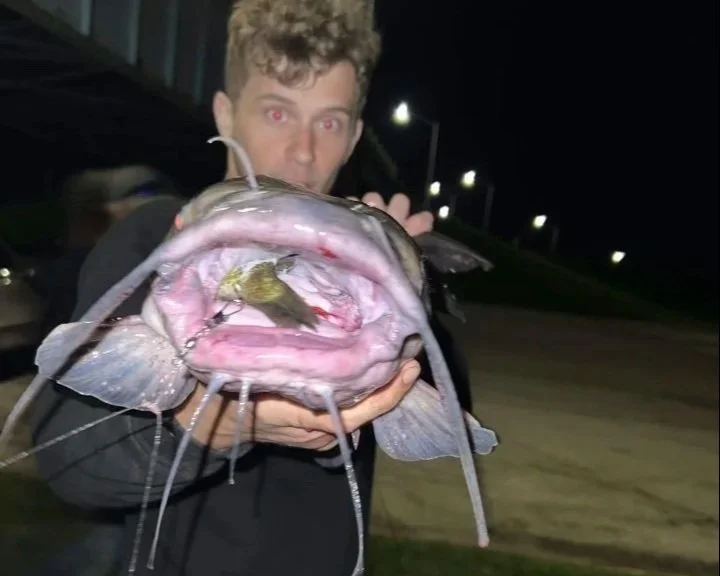
While the Great Lakes region is abundant with fishing opportunity, when people think about targeting catfish, this area of the country does not come to mind at first. Southern states like Alabama, Tennessee or South Carolina, boast Lakes and Rivers are known for producing year-round fishing that showcase potential for a trophy. Make no mistake, Michigan and the Great Lakes region as a whole has significant potential for catfish anglers, especially for magnum-caliber channel cats.
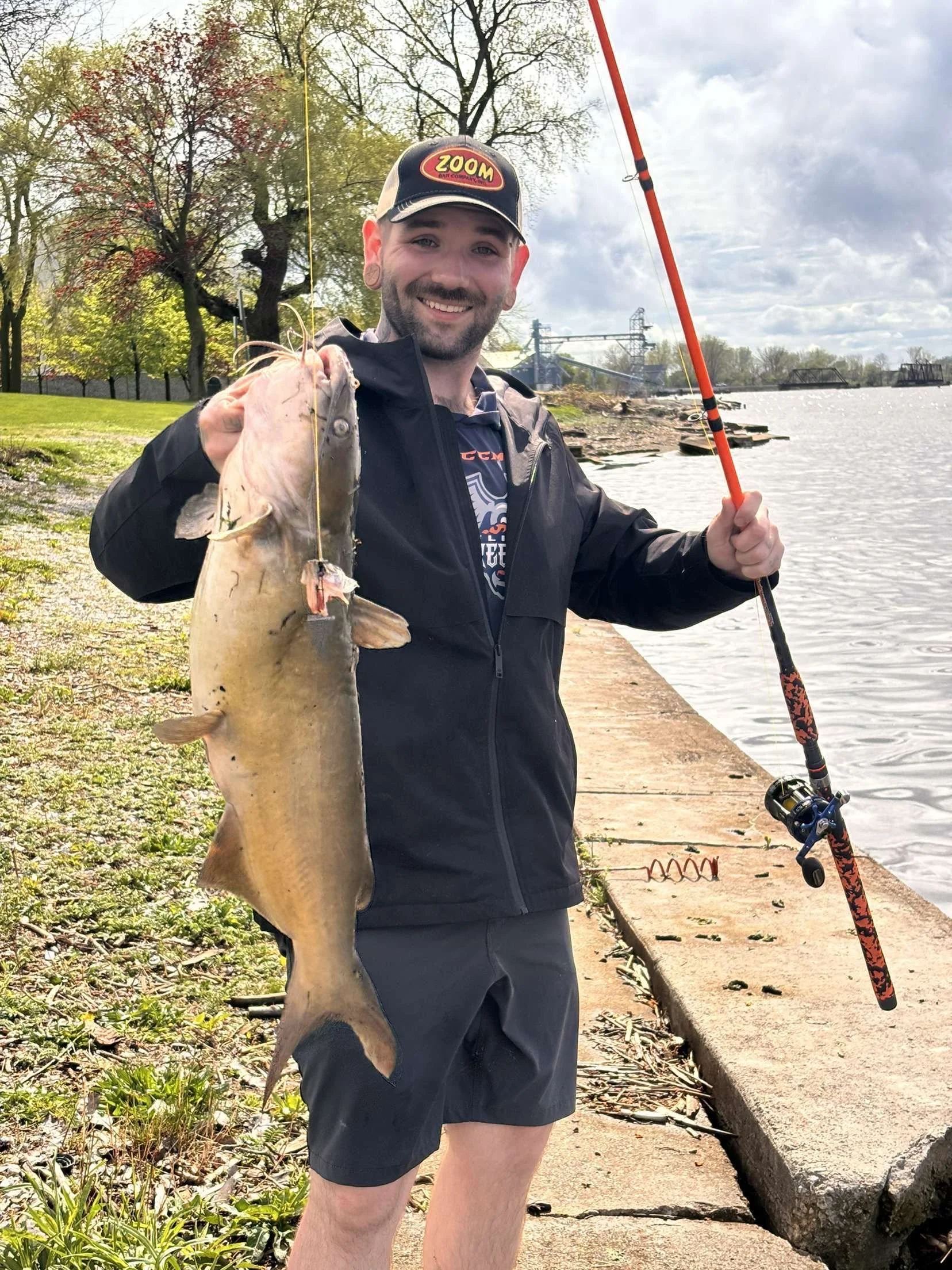
This area of the country is home to two primary catfish species: the channel and the flathead. While Michigan and its neighboring waters do not host blue catfish, they offer world-class opportunities for the other two. This article is the first of two installments highlighting Great Lakes catfishing, beginning with a deep dive into why these fish get large and how to to be successful on your next adventure.
How and Why:
The biodiversity and geology of the region creates an intersection of potential for channel catfish to sustain in great numbers and grow to large proportions. The landscape allows fish to thrive year-round with a variety of protein-rich food sources to build long and lean whisker machines.
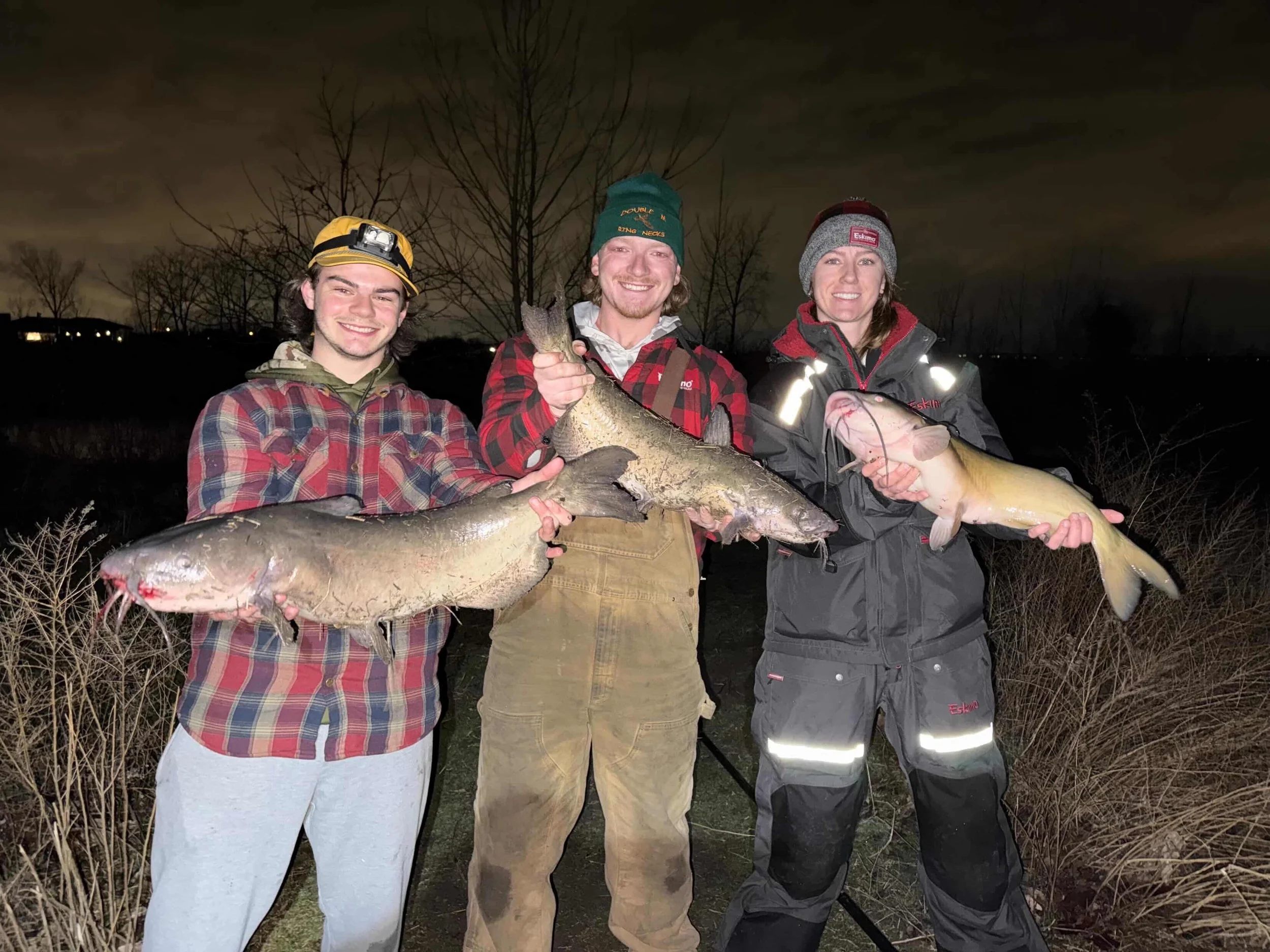
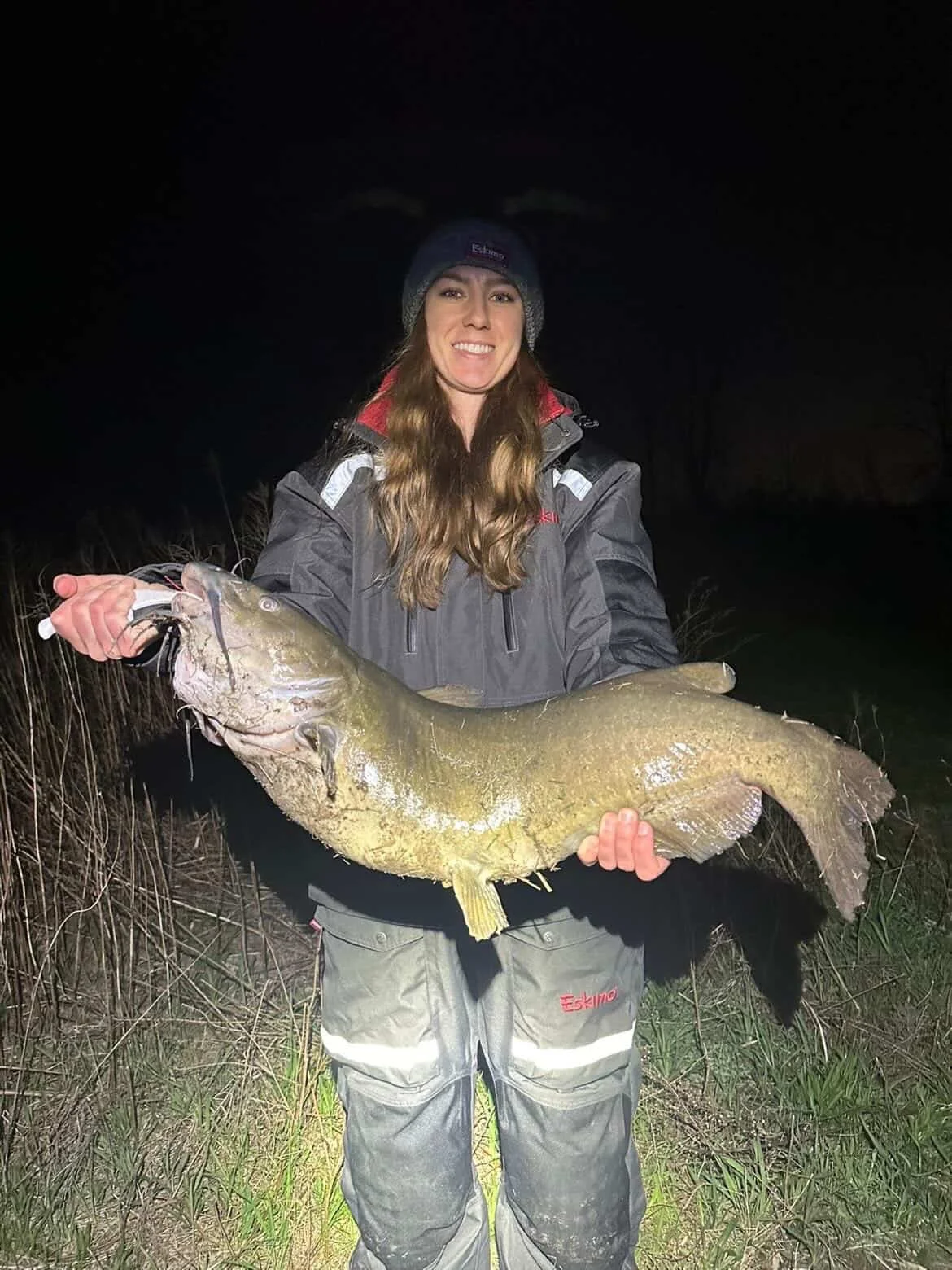
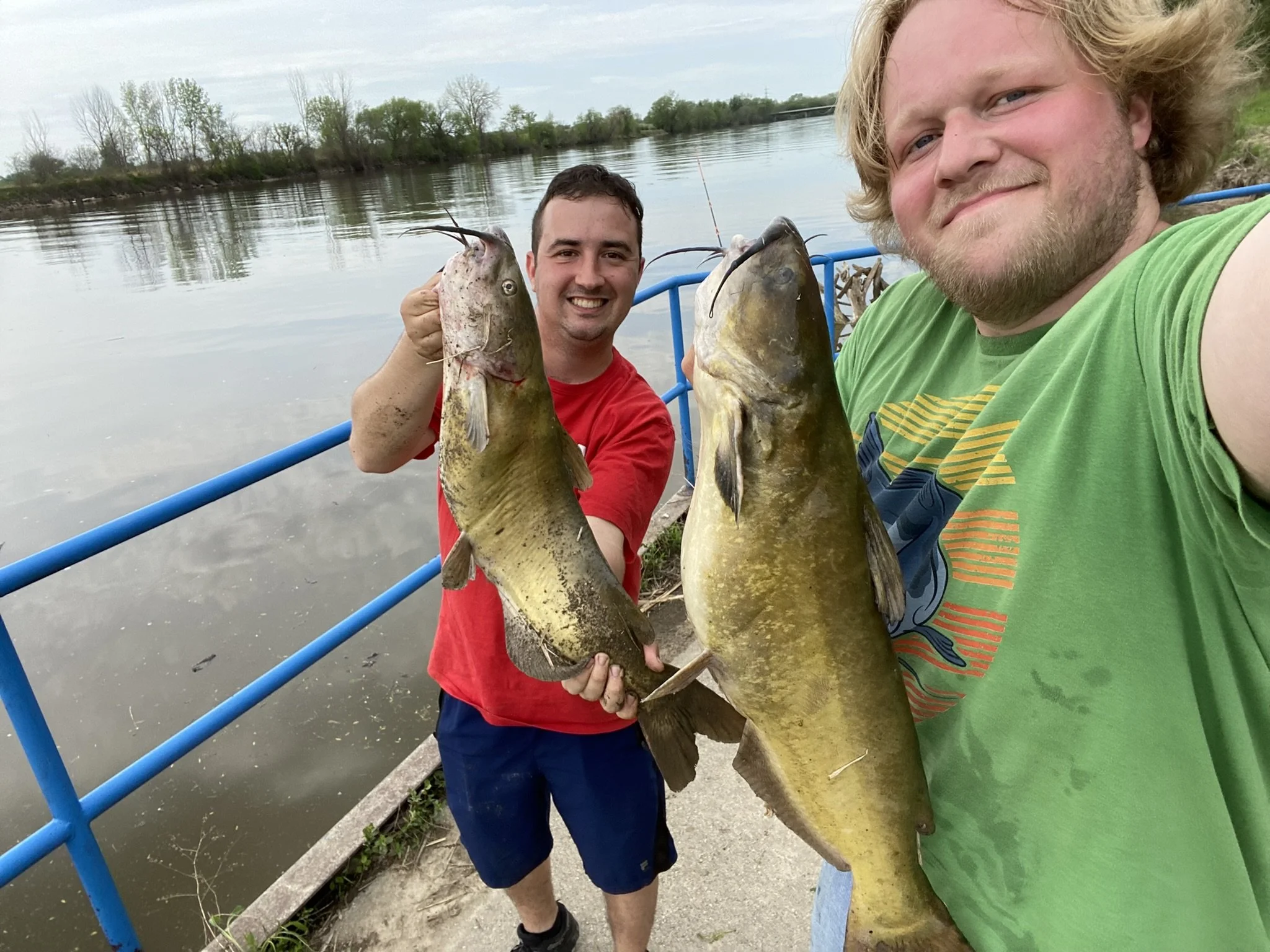
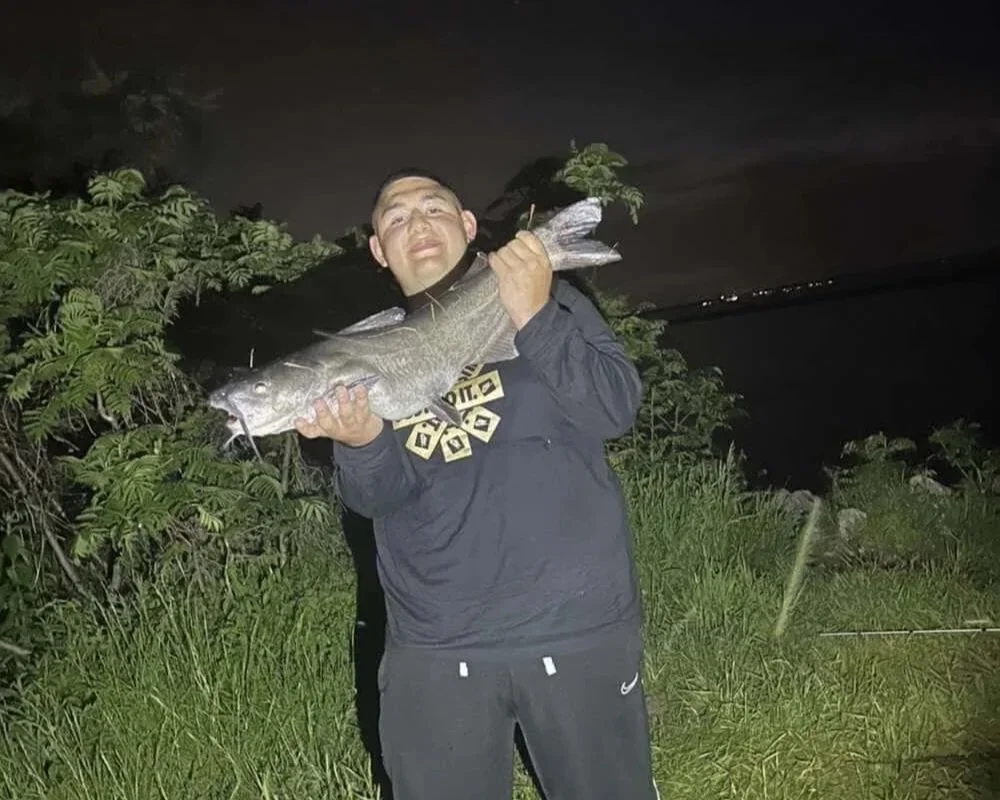
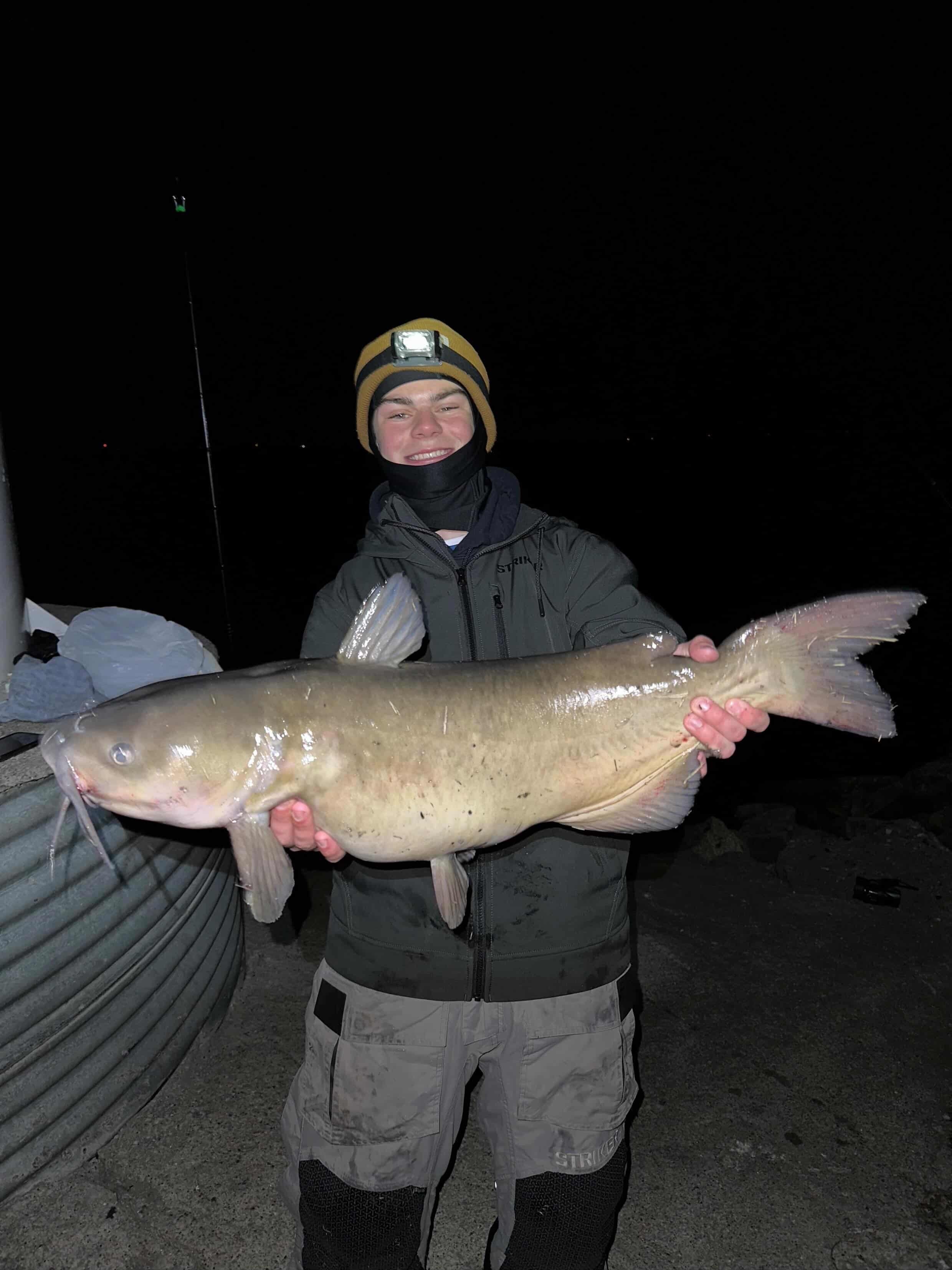
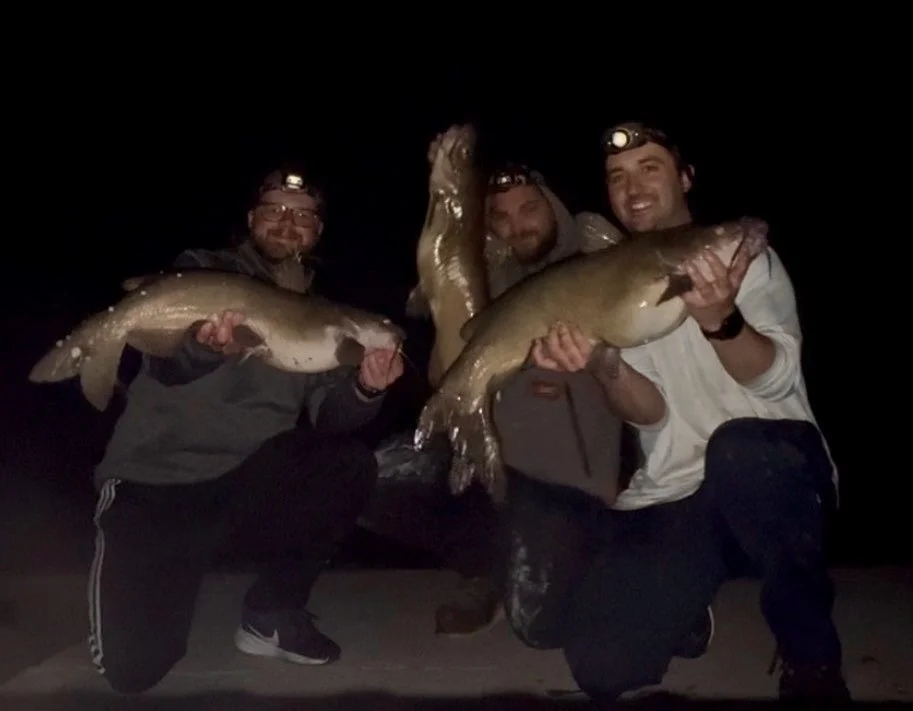
In the Great Lakes, the secret to massive channel cats is all about "growing old." Down south, the warm water makes a fish's metabolism run fast—they grow quick but die young. Across the north, the colder water slows everything down. It acts like a biological brake, letting these fish live for 15-20+ years. Because they live so much longer, they have decades to just keep packing on the pounds. When you combine that long life with a high-protein diet of shad, panfish, and gobies, you get the kind of heavy-shouldered trophies that make these places legendary. It’s not just about how fast they grow; it’s about having the time to reach their max potential.
“Fishy fact: the Michigan State record channel catfish is 40Lbs. It was caught out of Houghton Lake in 1964, tying the previous state record out of the same lake in 1960! Many anglers believe it will never be beaten. ”
Catfish specialist, Tim Scott, has spent over three decades as a big catfish guide in Illinois. He shares that the biggest factor in an area supporting the largest channel cats is the lack of competition from other catfish- especially blue cats. When you think of systems that boast large channel catfish, like the famous Red River in Minnesota/Canada, they have this in common.
Michigan Dept. of Natural Resources Fisheries Biologist, Matt Diana, believes the growth is linked to available habitat and prey availability. He shares that the bigger water tend to have more forage including Great Lakes prey like shad and deeper water/pools to hold panfish. He agrees that the lack of density of large fish does not create challenges with competition compared to southern rivers with trophy sized blue catfish.
On Location:
Current seams, shelf flats, structure, there can be channel catfish just about anywhere if you know what to consider and look past any dead water. Not only are all fishing spots unique, things can change from day to day with water clarity, current, turbidity, and more. Being observant and seeing how the water is working can be a great teaching point or a hard lesson to learn. Take note on what sticks out as far as features of where you are. It does not take much for a spot to look good, but it takes knowledge and time to understand why another location may be better.
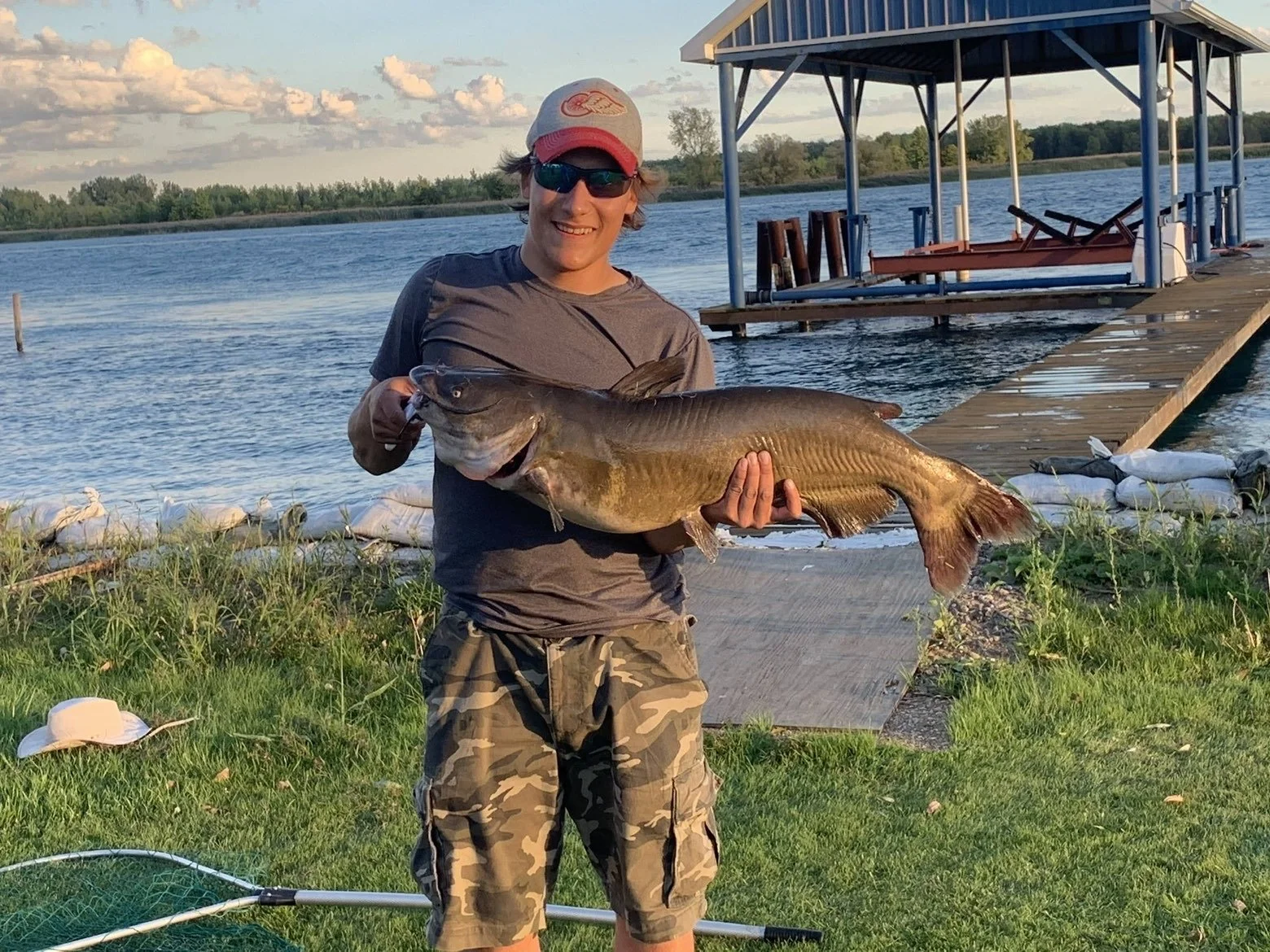
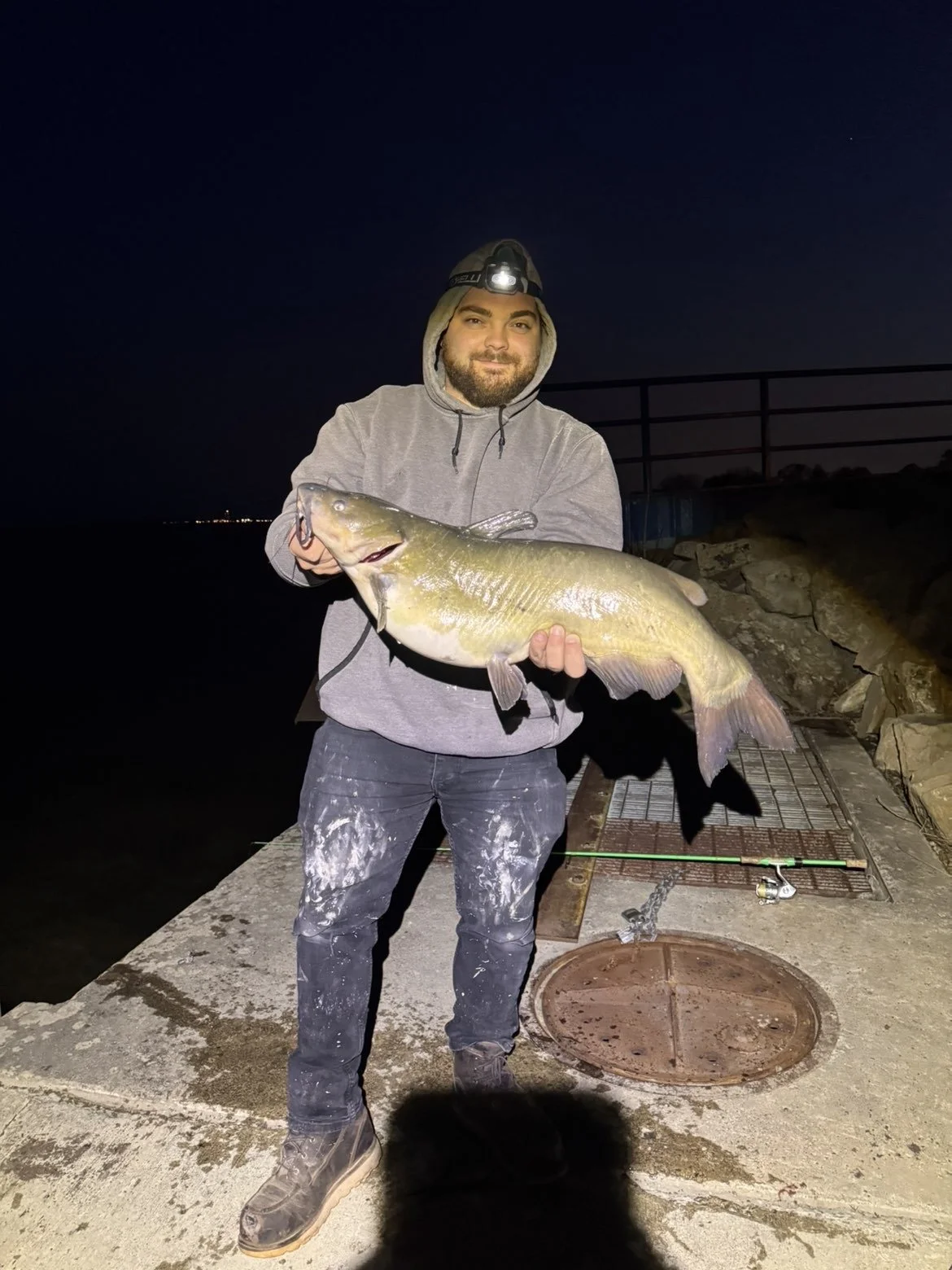
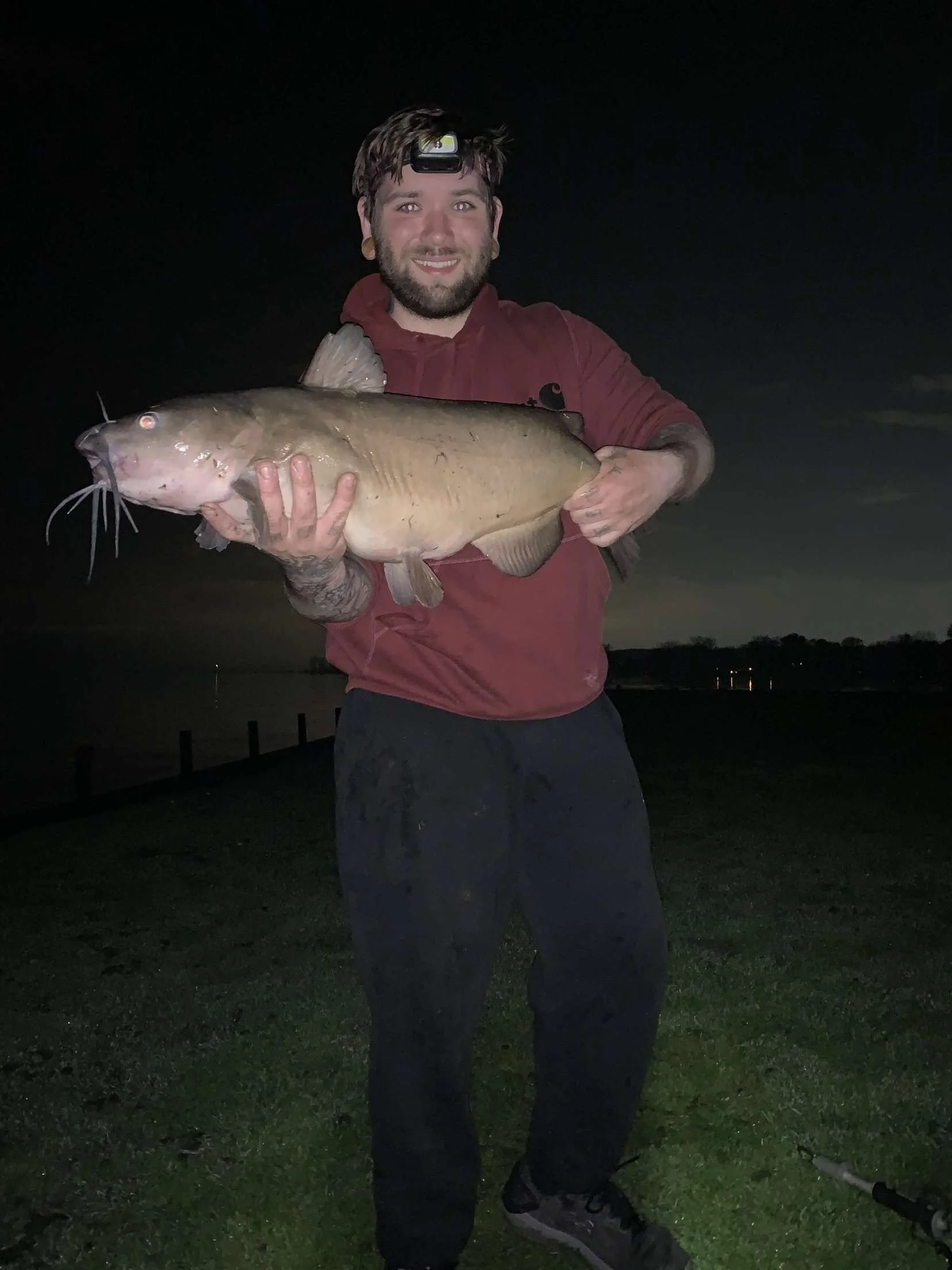
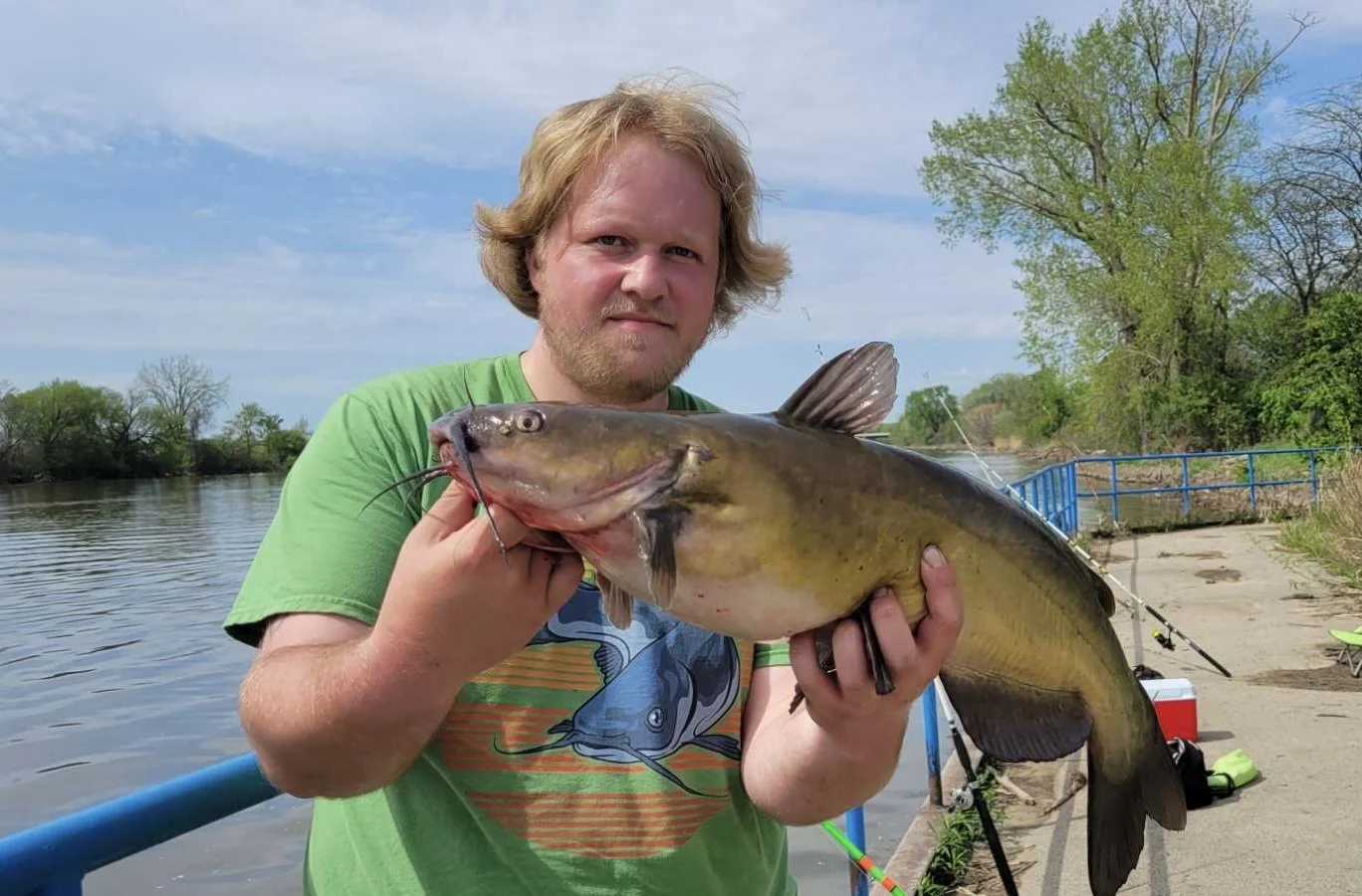
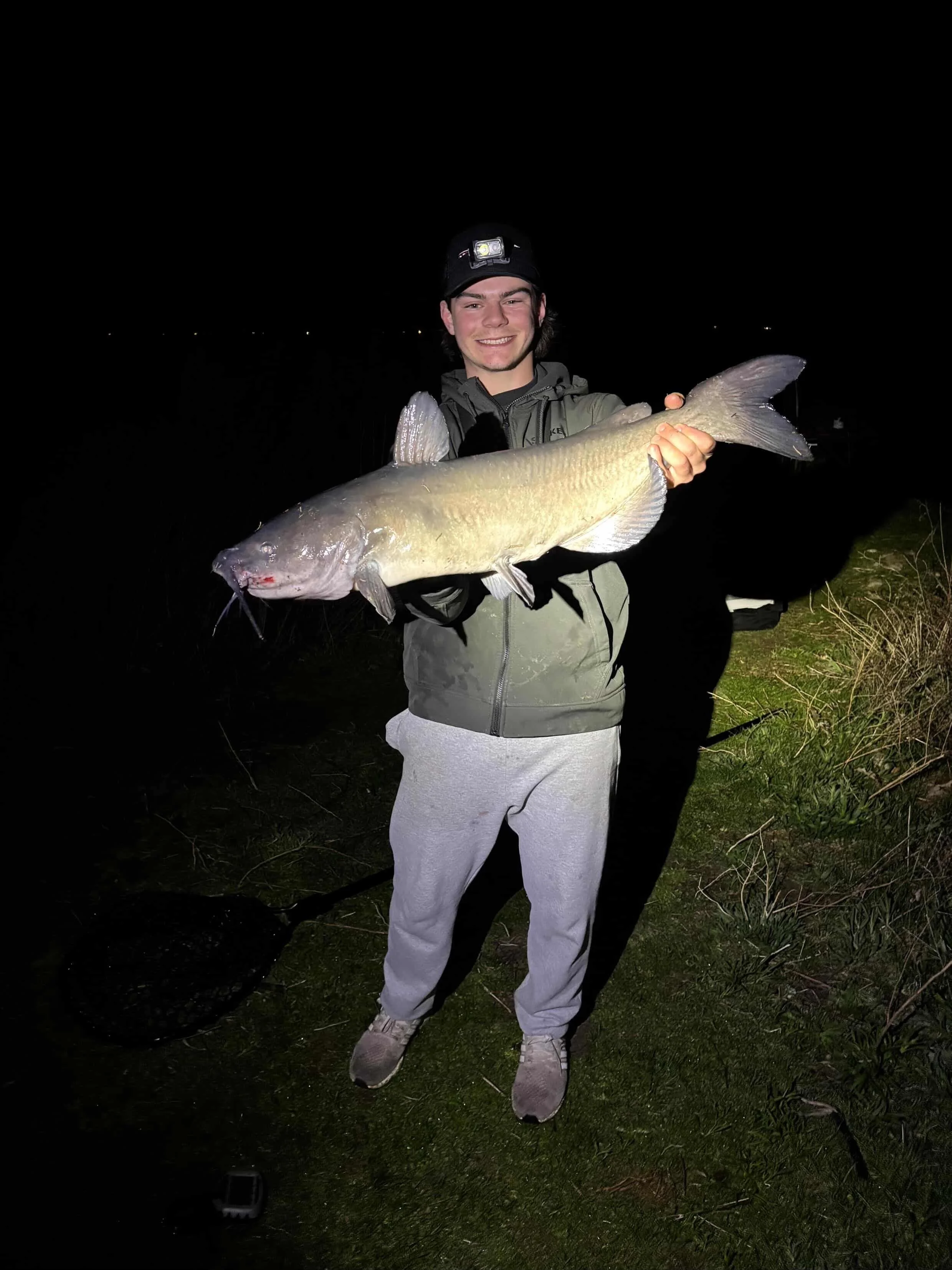
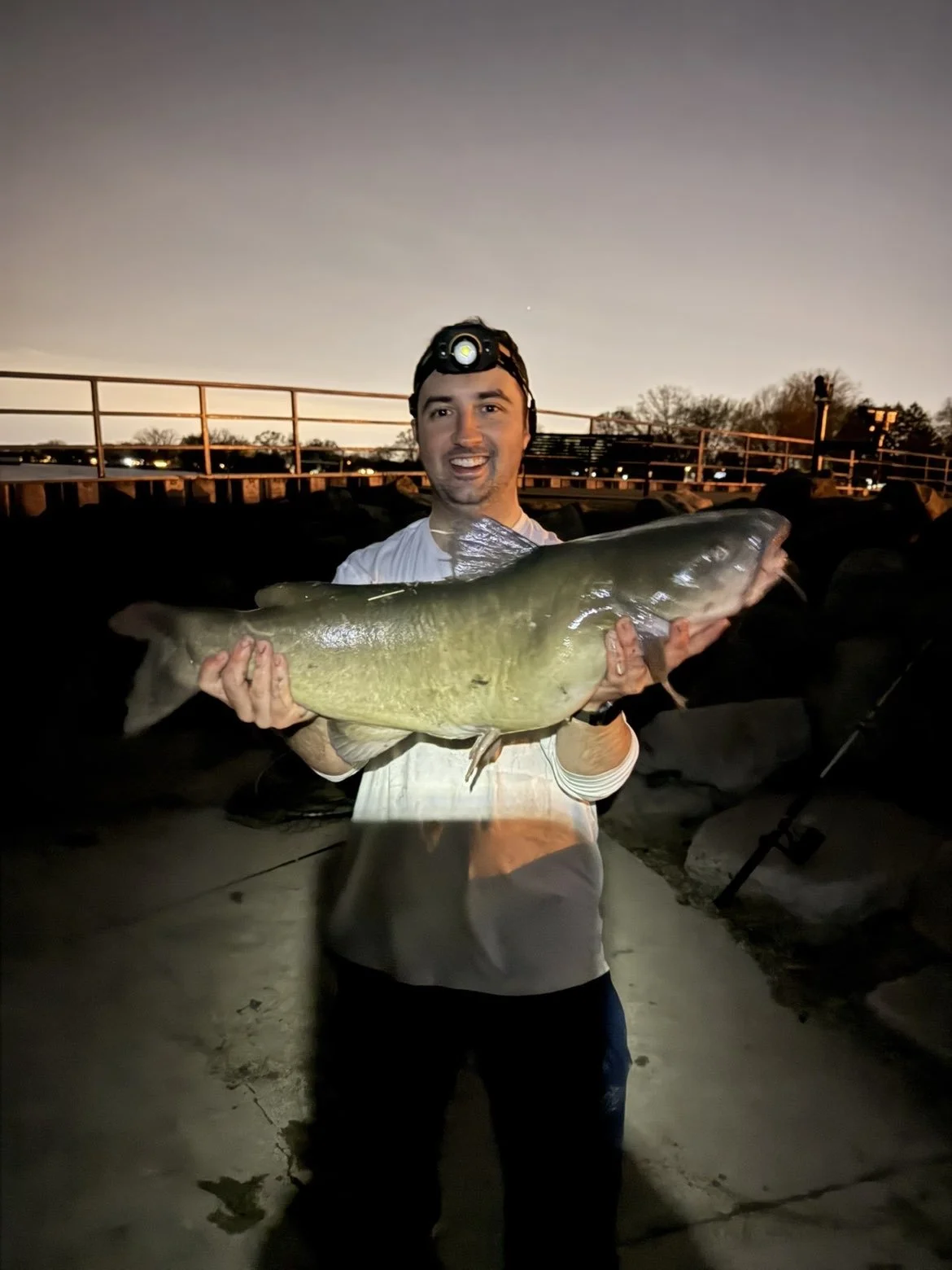
On the big water, especially around piers, harbors, and close to shore, channel catfish will come close and take advantage of the feeding opportunity. These areas are loaded with boulders and bait.
Fishing activity picks up in the spring when the temperatures climb into the 50’s and 60’s. Channel catfish are putting on the feed during this time to prepare the upcoming spawn.
Waterways that connect directly to a Great Lake, such as the St Joe, the Saginaw, the Maumee, the Calumet, the Fox River, and others, will produce larger channel cats than lakes and reservoirs further inland. Keep in mind that if you are on the search for a big one, these systems are what you would want to look for.
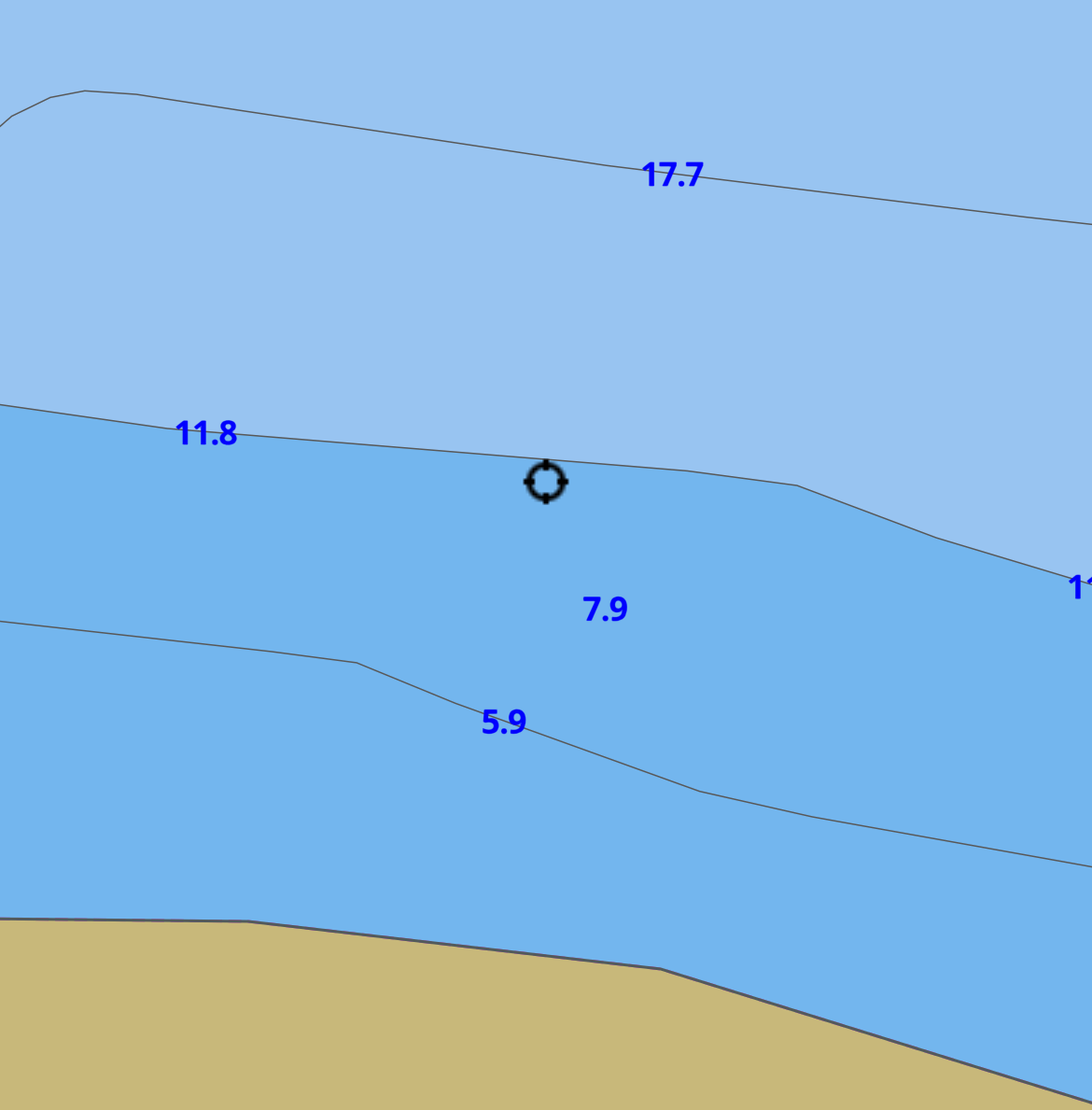
Above: Example of depth change of a shelf adjacent to a main river channel. Cast far- but not too far!
Larger rivers will have an initial channel or depth alley. These can be natural and serve as a path for industrial boat traffic to navigate. With significant depth change, channel catfish can roam all over, but will specifically cruise the shallow shelves aside the channel where looking for a feeding opportunity. The lesson here is even though the river may be wide, you do not need to fire your line out as far as possible. Those fish come in close, sometimes right up to shore looking for bait.
Creek or river mouths are a great spot to set up. Whether it is where a river meets another or where it dumps out close to the big water, channel catfish will be drawn to the warmer water flowing in, along with the high potential for bait in these areas.
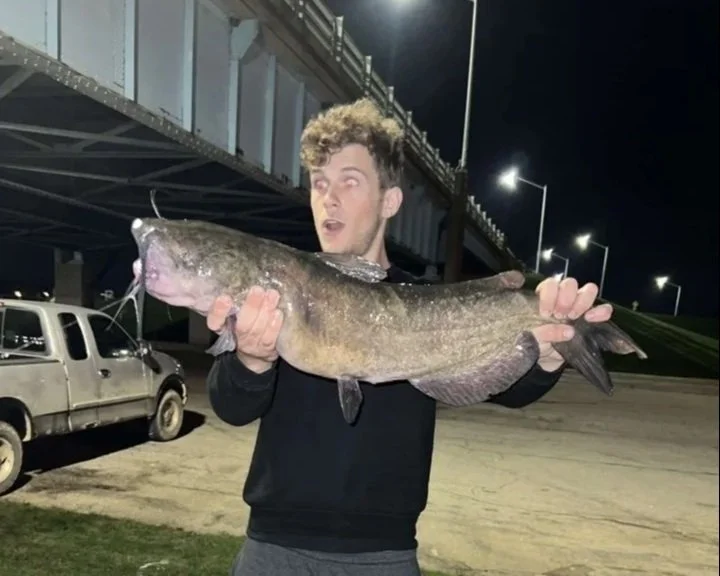
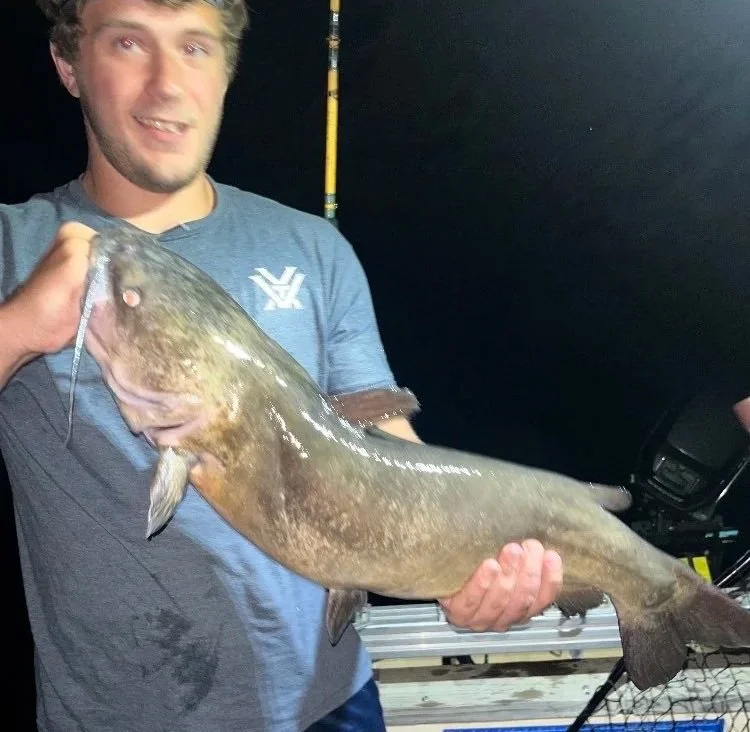
Large and in charge, magnum channel catfish can choose how they want to eat, whether it be actively roaming and hunting or waiting in cover to ambush their next meal. In rivers pieces of structure, like log jams on bridge pylons, undercut banks, and boulders, all serve as current breaks where they can reserve their energy and wait for the opportunity to strike. These are excellent options to target at night and sit on.
In significant current seen on the St Clair or Detroit River, piers and sea walls that protrude out to the water are excellent places to target. The current not only disrupts the flow, it keeps bait drawn in, making it prime estate for channel catfish to move in and out. Channel cats will parade from the depths to the shallows and consume baits after dark to ambush prey and get the easy pickings off the bottom. Areas like this will collect weak or dying bait as it comes down.
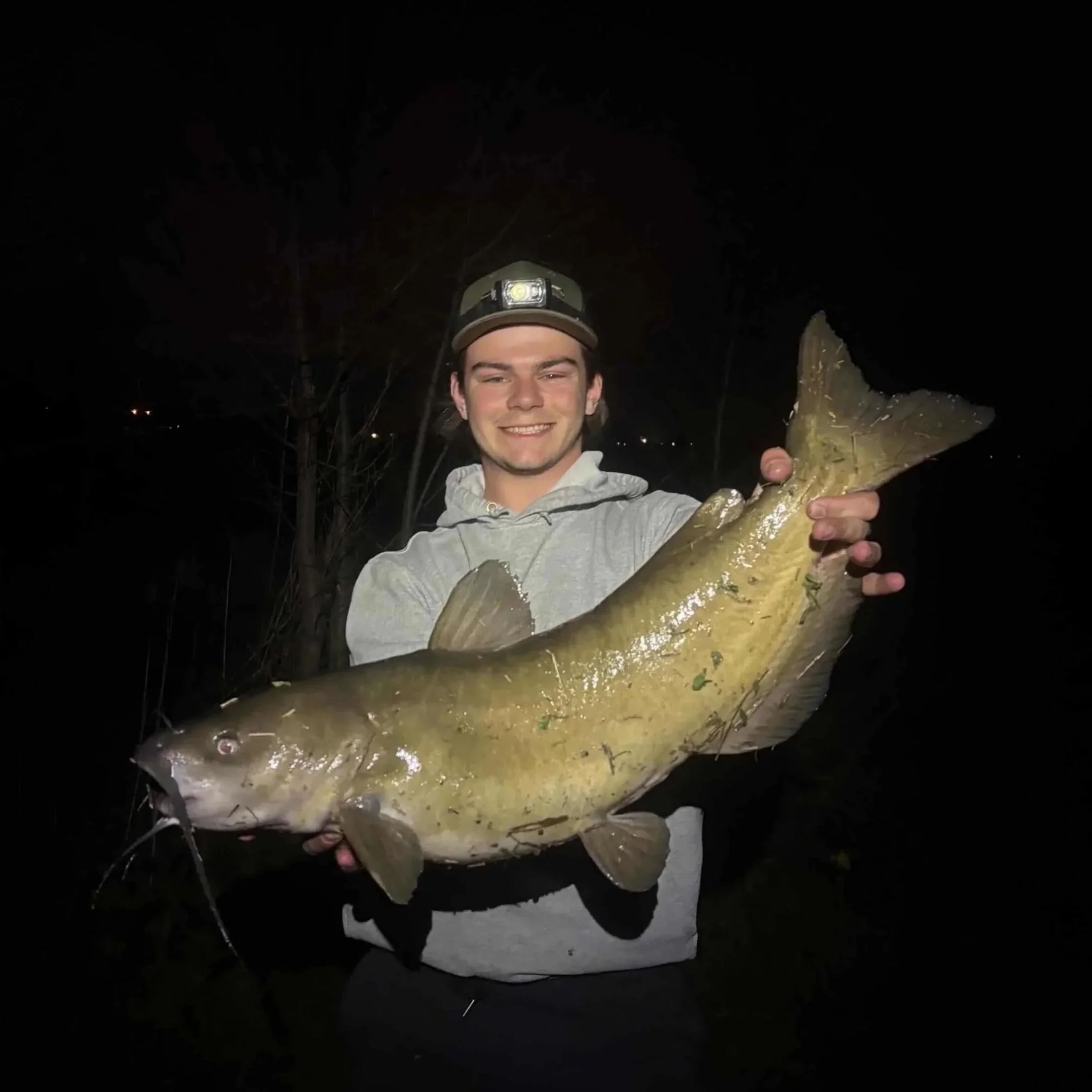
When planning a day of channel catfishing, consider where you are fishing. Large rivers offer potential for different spots to target throughout the day. Give each area enough time to let you know if they are around and active. A common rule of thumb can be 15-30 minutes. If they are there, they will let you know quickly. If options are limited or you plan on night time session, structure is always your friend. Look at the area and piece together your understanding of why a channel catfish would be there to begin with.
“Check out the internet to see if you can become familiar with your river contour so you have an idea how deep you are fishing. If you are fishing from shore and do not have this information for your river, cast a weight out a few times in different areas and get a feel on how long it takes to hit the bottom. Having an idea is a lot better than fishing blind! ”
Bait offerings
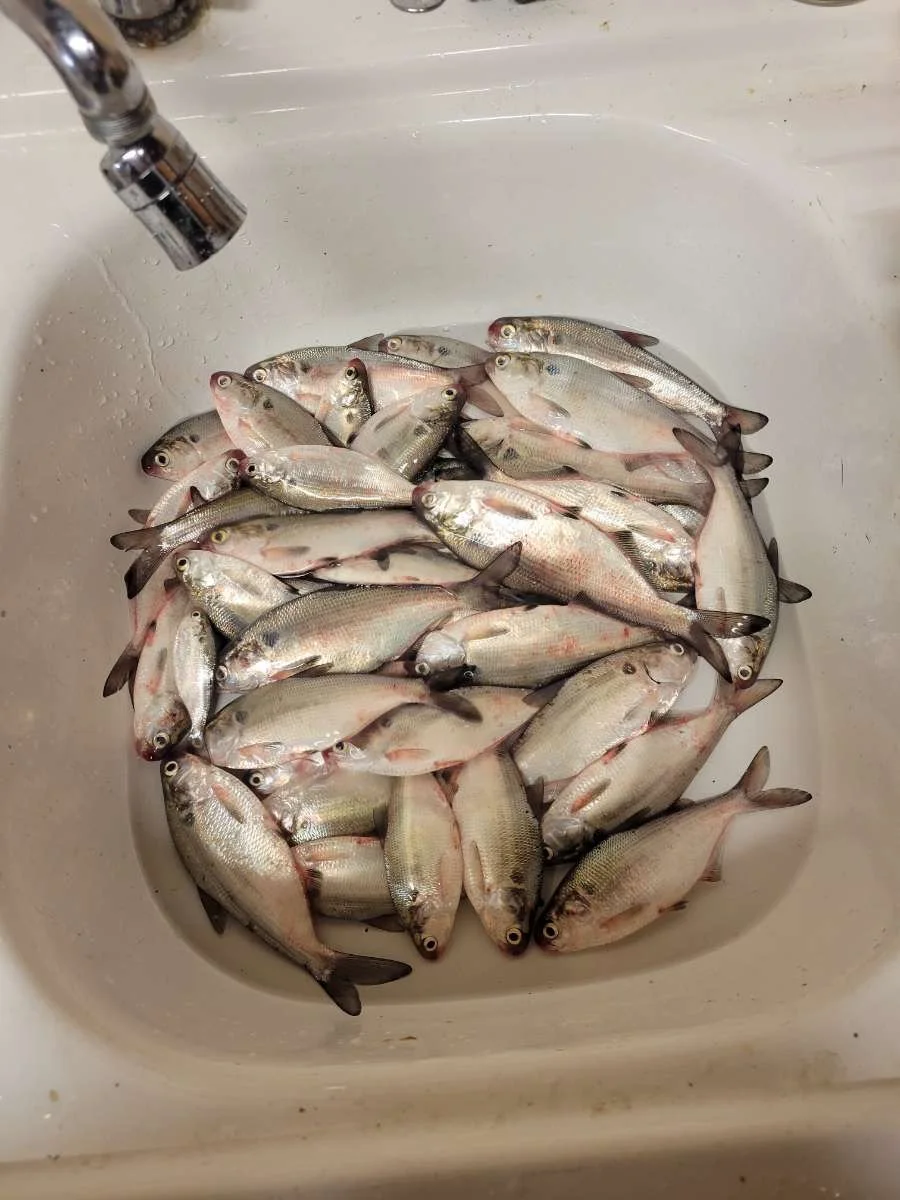
Channel cats are known for not often being picky eaters, but some options are going to work better than others. Bait for targeting big channel catfish needs to be appealing. When these fish begin to get magnum caliber, they will be more predatory in chasing baitfish and picking up what they come across along the way. They need to consume higher caloric intake to maintain their functioning. Baits, like cutbait, shrimp, or a medium sized baitfish, have natural appeal with their presence and scent. You’re probably not going to be as successful using things like crickets or soap.
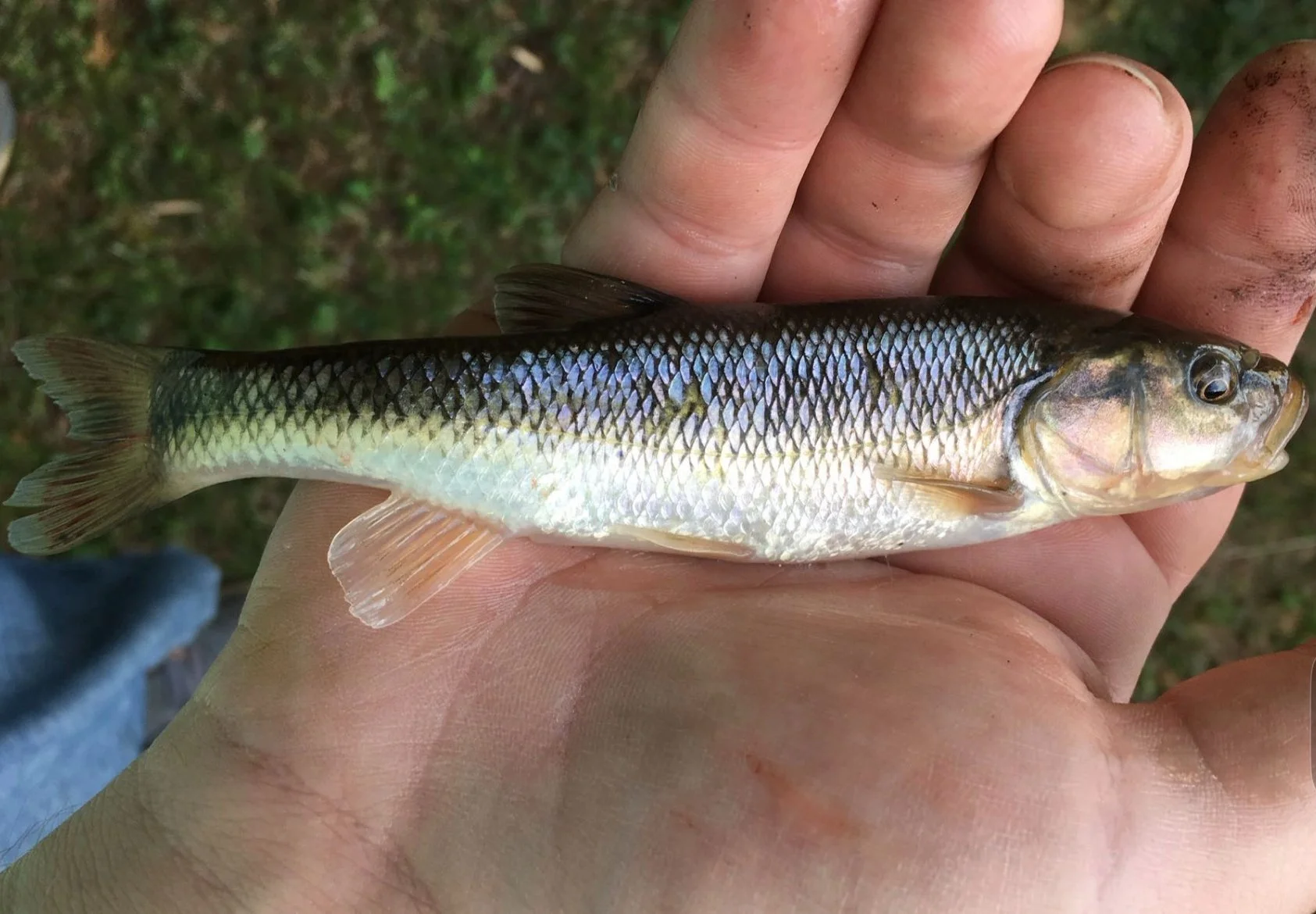
Channel catfish have over 250,000 tastebuds across their entire body- not just around their face and whiskers! They are masters of their environment with the ability to find feeding opportunities through their senses.
Dip baits are smelly and appetizing, but need to be casted out and reapplied after 15 minutes or so. This can be a great option when trying to cover water. One thing to remember with the dipbait is to react quickly- channel catfish tend to swallow it quickly.
Store bought or “kitchen” baits can work if you are in a pinch and need to set some lines while you may be attempting to catch bait. You may have seen kool aid and hot dog baits, or Jell-o soaked chicken breast. While it may seem outlandish, they do catch fish. Kool Aid will dye the meat and release scent into the water, while Jell-o will draw moisture out of the meat, making it more tough after a day.
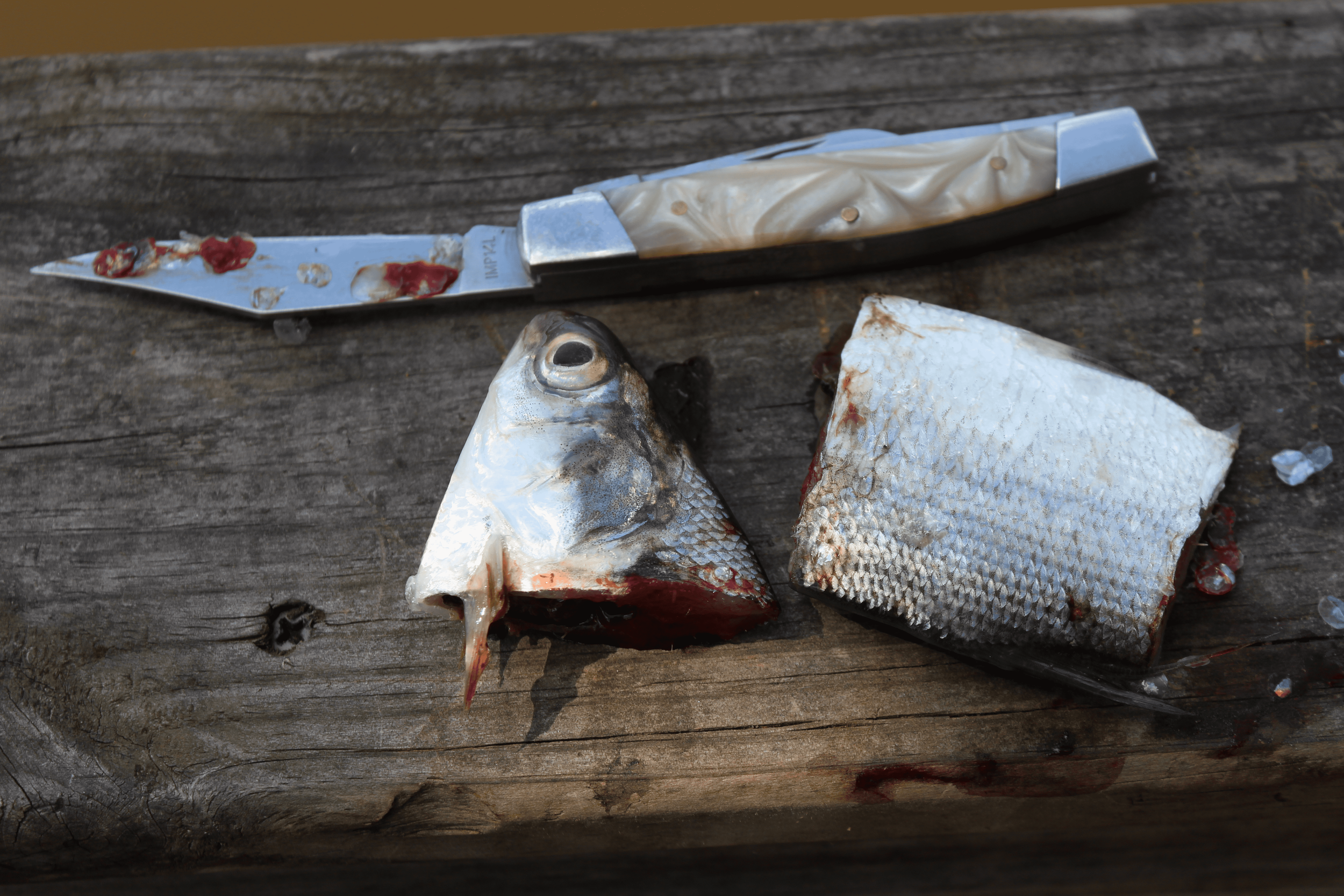
As predators, larger channel catfish can afford to pick and choose. Fresh, local bait is always the best choice. Live or cut creek chubs, bluegills, shad, are hard to beat. Cut pieces of sucker are a favorite with catfish being able to smell the oils from the fish. Check with your state fishing regulations for bait fish legality.
Cut bait and other natural baits are superior! The best choice whenever possible.
The biggest takeaway for this style of fishing is that while natural baits are the best, being in the right place is a higher priority than having the right bait.
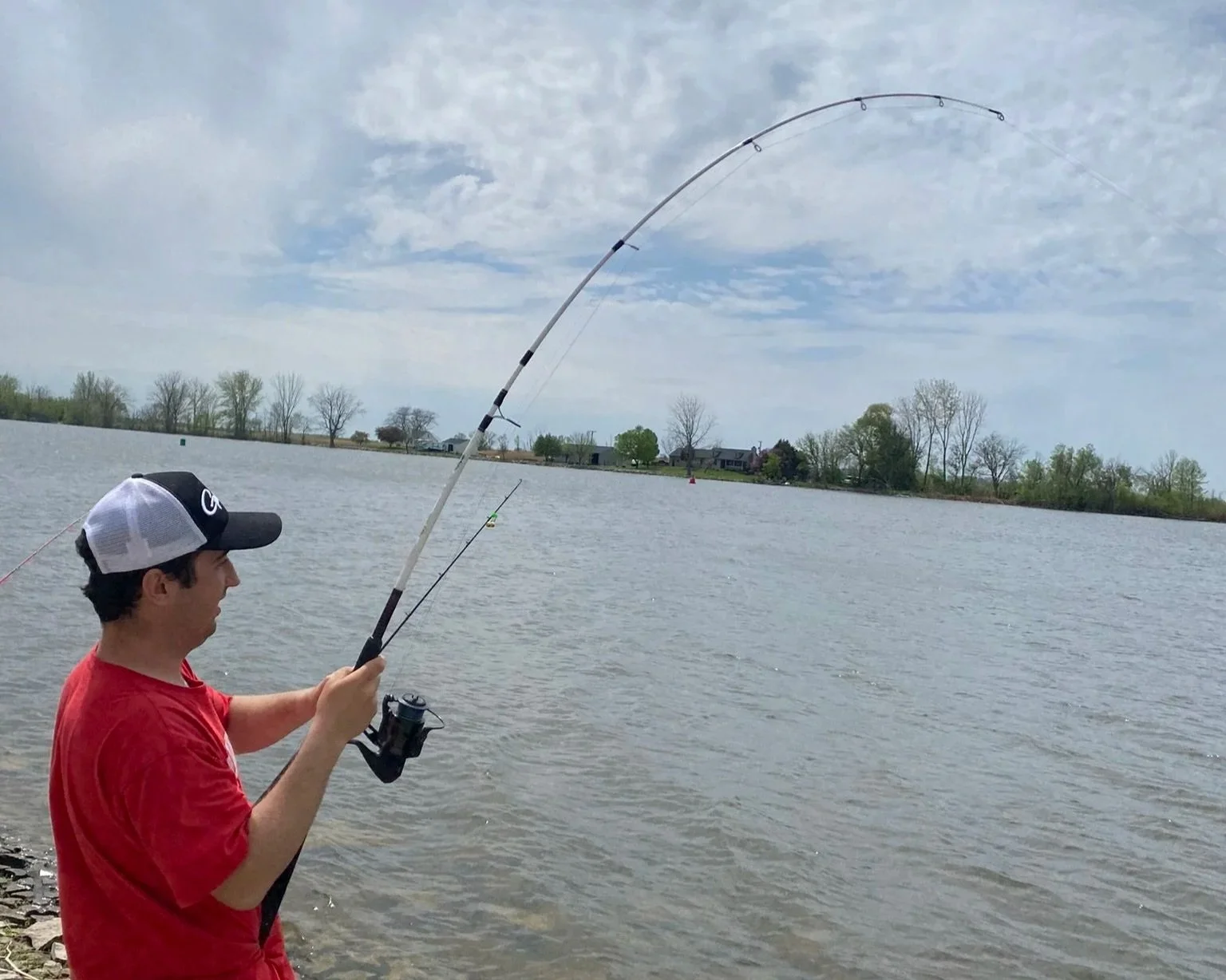
While the catfish tackle market has exploded over the recent decade, specialty equipment is not needed. While it is nice to have, you probably have the equipment already to go out and be successful on the water. You are going to need a rod that can handle the business of casting a heavy sinker and bait and can properly fight a fish. Spinning or bait casting, just about any good reel will do as long as it is equipped with a strong line.
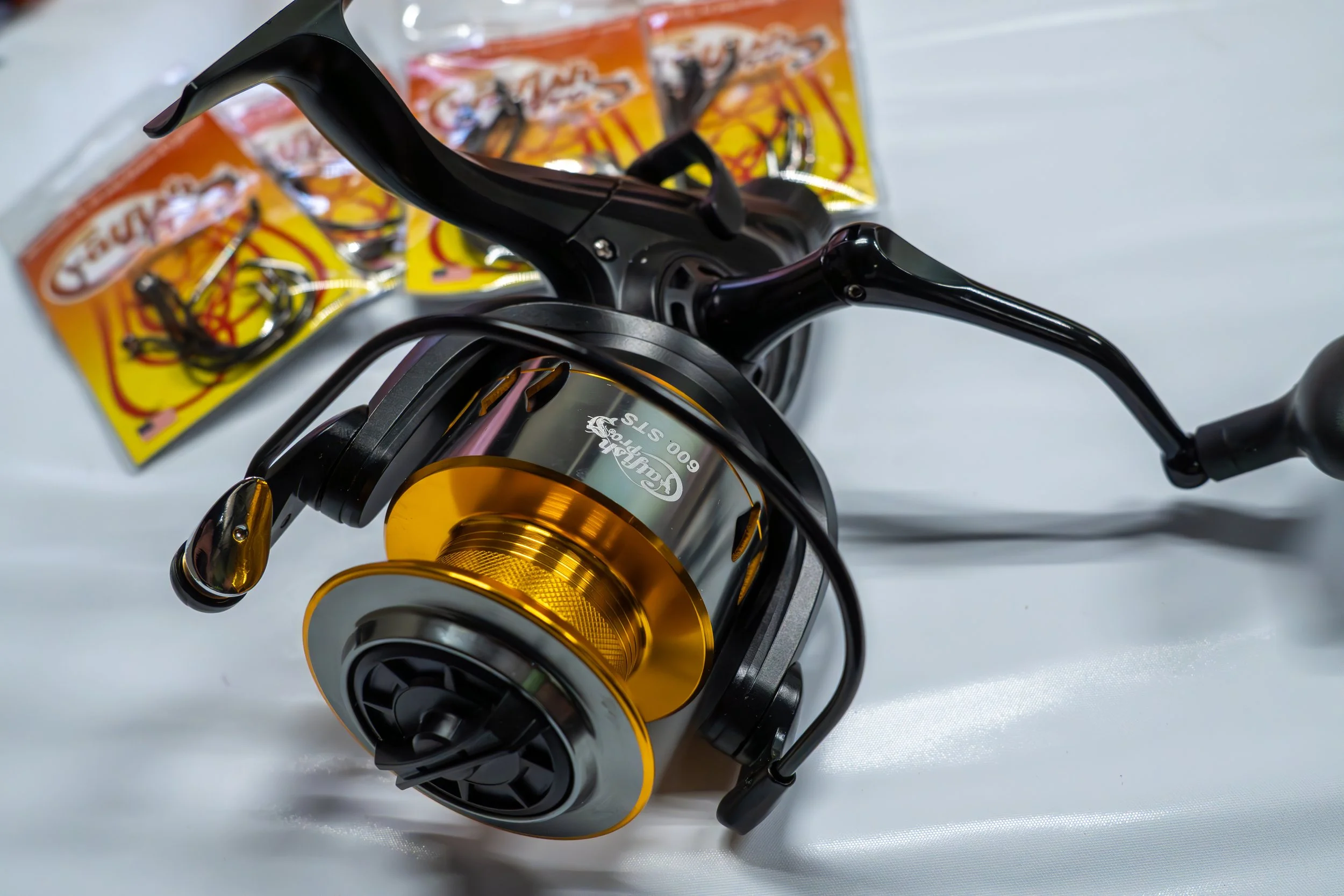
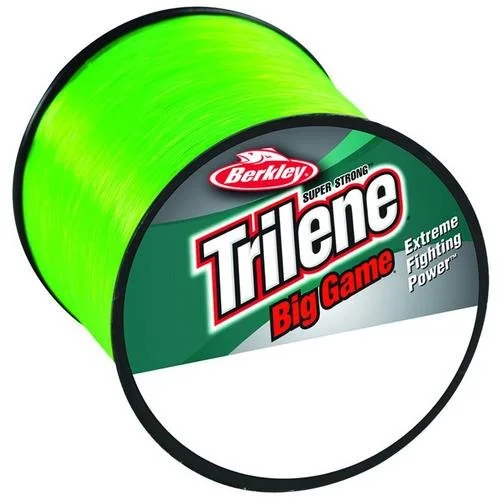
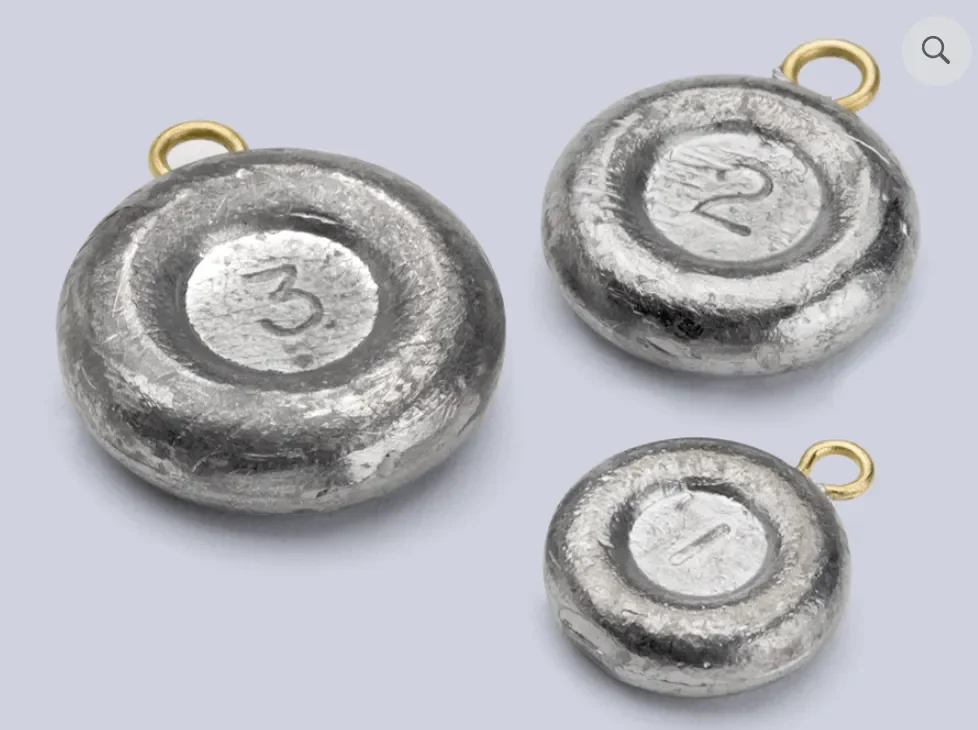
While braided line is strong and can cast far due its thin diameter, monofilament can shine bright for abrasion resistant properties when fishing around structure. 15-20Lb line is recommended as a minimum break strength as a main line or leader. Trilene Big Game is a great option for value and performance. Especially on heavy traffic, industrial rivers, metal, wood, and all sorts of debris can scour the river and cause potential weak spots in line- so keep an eye on it!
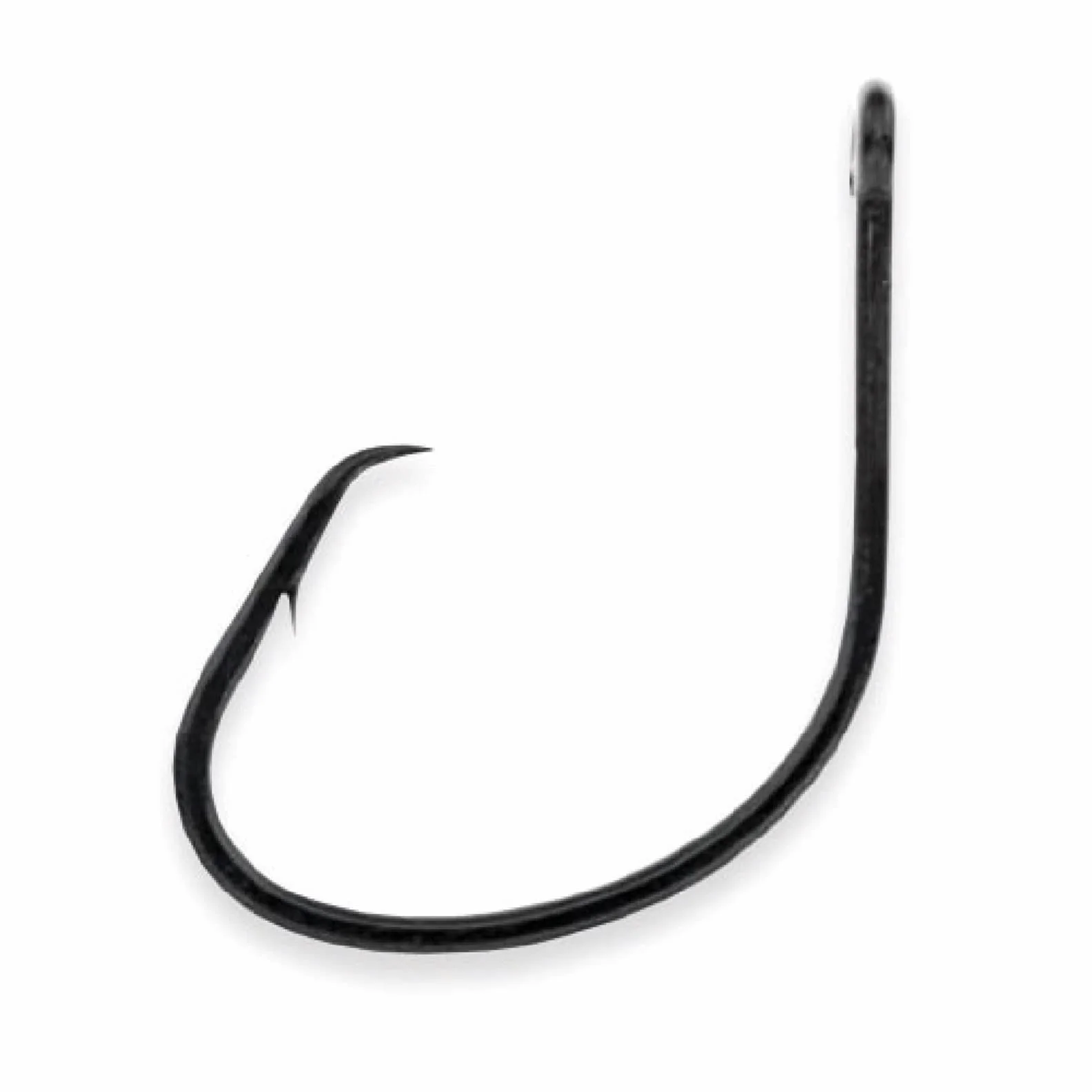
Having the right hook can make the difference between getting bites and connecting with your biggest catfish of the season. Anglers need something strong and adequate to get the job done. Circle hooks are very popular for this style of fishing as they are easy to remove and have an exceptionally high landing ratio. A traditional circle hook from Catfish Pro or the Boss Kat Hybrid Circle Hook are marvelous options. Sizes 3/0-5/0 are perfect for bringing in big channel catfish!
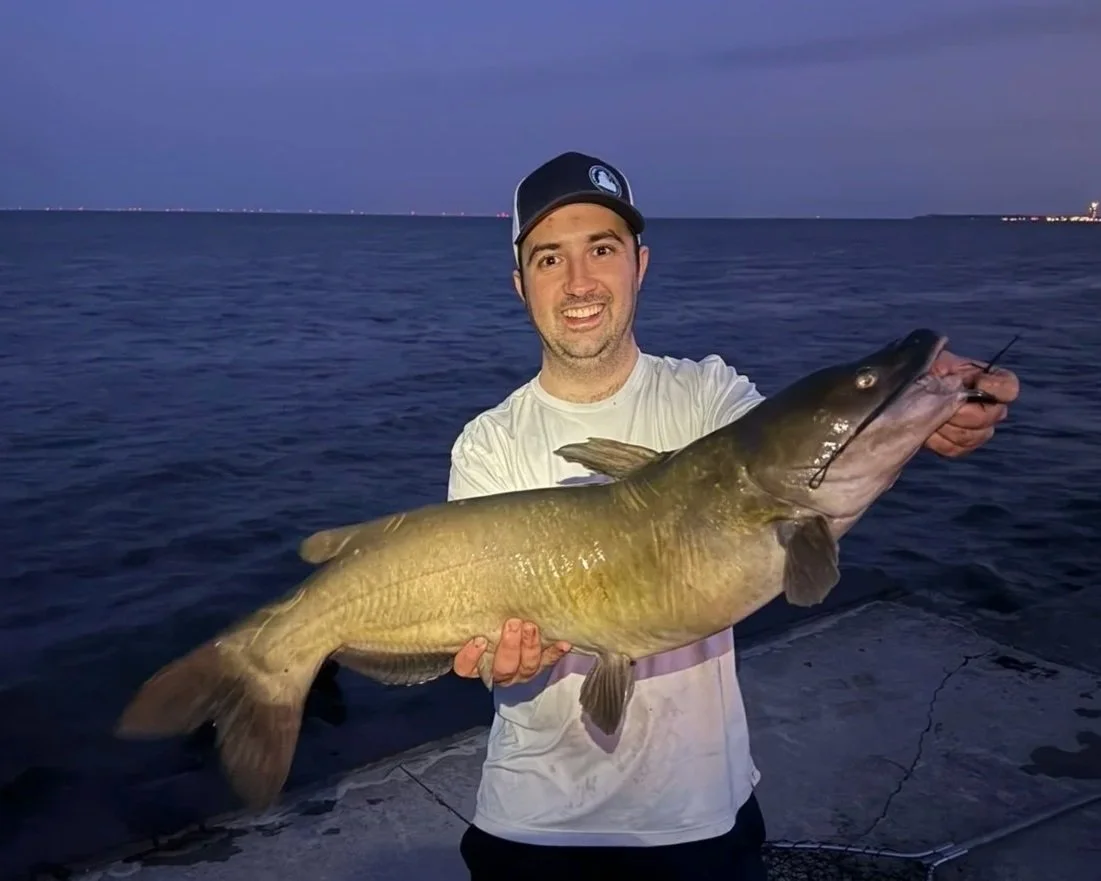
Wherever you find yourself near the Great Lakes, there is likely some great potential for a giant channel catfish that could very well be a personal record. Gather your gear, get some friends, and go enjoy it!
This article is the first in a series on catfish. Be on the lookout in the future for pieces relating to bait flathead catfish, along with a following article on gear and equipment specifics. Thank you for reading and be safe out there.
Foresight Fishing Media would like to offer appreciation and credit to the following for their contribution to this article. Tim Scott for his expertise on what goes into big channel catfish; Michigan DNR Biologist, Matt Diana, for his knowledge on Michigan Fisheries relating to catfish; and the following individuals for sharing their photos: Andrew, Aiden, Joe, Luke, Jen, Mike, Brendan, Nick, Jake, and Will. Thank you!