

Getting Meta about Angling Media & Education
This article is a little different from the norm. As I have been putting this together, I have been telling people that I am currently “writing about fishing writing and media.” This was originally going to be a shorter piece for my column, so keep that in mind as the beginning refers to my perspective and experience. (There is your disclaimer, Dave).
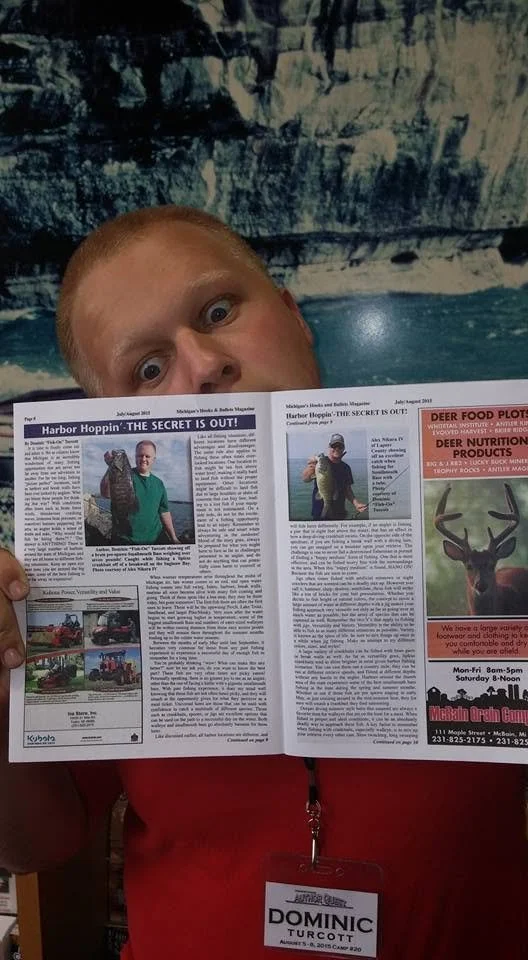
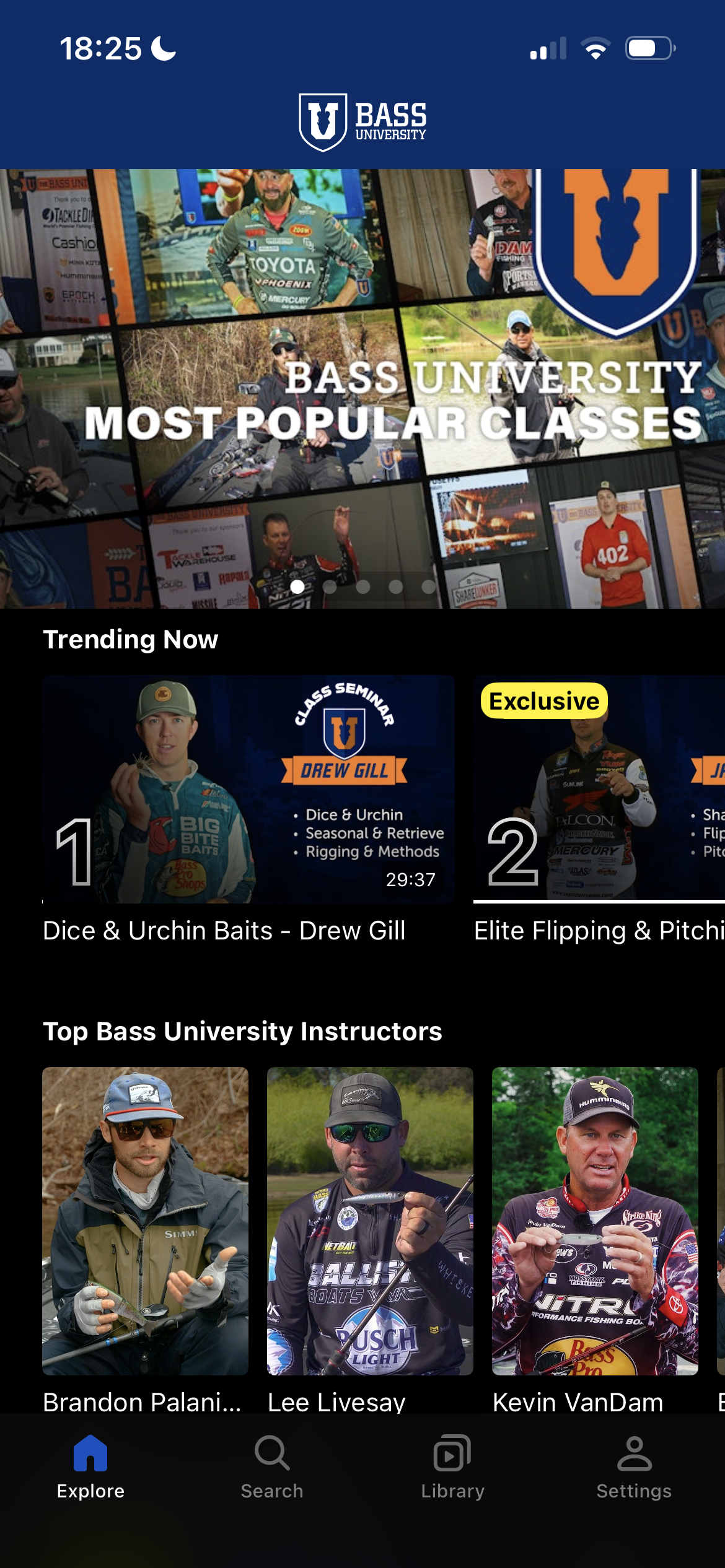
Remember what it was like going to the movie theater? Beyond the part of enjoying a film, but the experience that it was to consume it as a piece of art. Nowadays, theaters are not what they used to be because things change with progress and time. We stream TV and film directly now. This is a perfect analogy for how we absorb fishing media. We went from issues in the mailbox to notifications in the inbox.
We have it good. There is no debate about it. There are more avenues to learn now than ever before. Not so long ago but still feels like a different lifetime, anglers would have to wait for information and knowledge to get to them. Unlike the constant stream of content that comes across our pages and apps, magazines and television shows came out on a scheduled basis. It was not like how it is now in the modern age of tech where we have access to anything through the computers in our pocket.
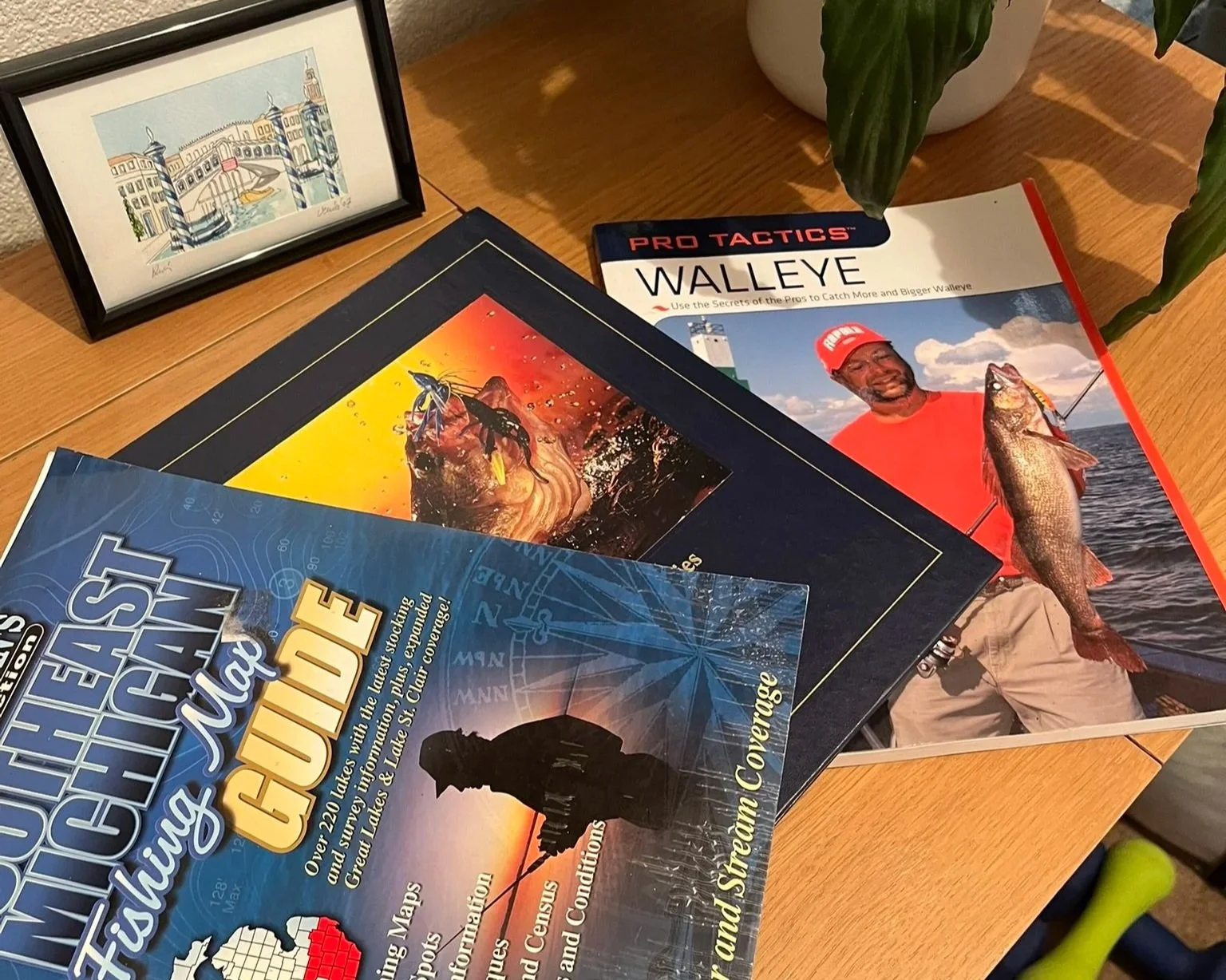
What exactly happened and how did we get here? Over the past couple of decades with the digital revolution, education as a whole can be offered in-person, hybrid, and online options to suit ones preference and availability. This applies to second year calculus at the University level or learning how to tie specific fishing knots.
Fishing media and education is important as a supporting act to our sporting tradition and (if I may) also as a form of art. It is truly a wonderful thing to be where we are. Anglers generations before us could not imagine having what we do with access to information.
On the boat last summer, I was on a lake in Northern Michigan where I was able to stream a fishing video seminar over a high speed connection directly from Japan. So many great outdoor writers before me have shared how things used to be where they at one point in time had to mail in their film and hope one of their photos was good for publication. Compared to today where everybody has a digital camera in their pocket, along with all access media in an instant. Reflecting on the moment, a sense of thankfulness and awe came over me.
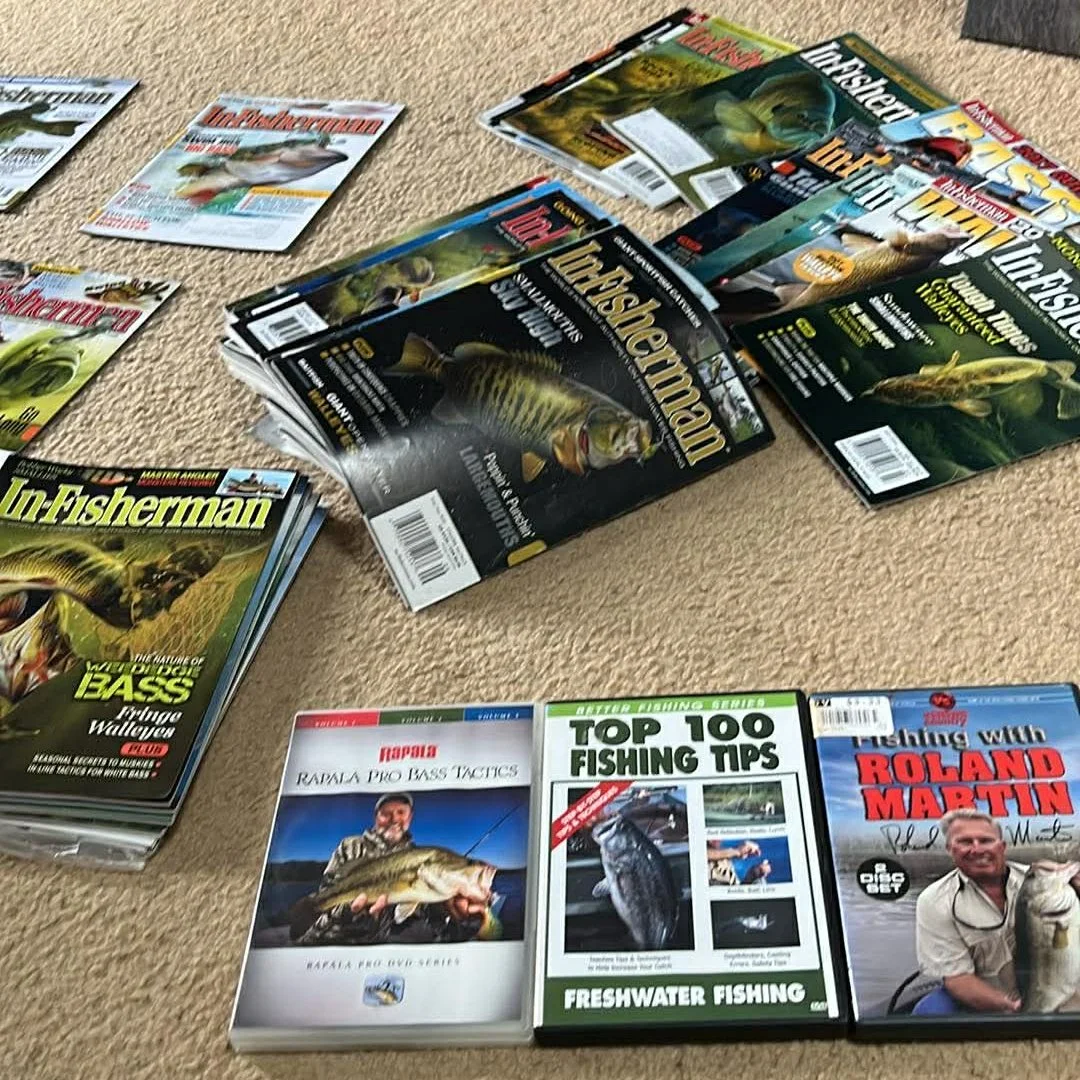
There will always be collectors of physical media! This image was shared by Austin Barron-James who loves fishing and learning about it!
On a more practical note, we now have the ability to problem solve in a moment where we need it urgently. It brings a peace of mind knowing that if there is an issue, we can navigate a stressful situation with a thoughtful mind so that maybe the day on the water is not ruined by something as small as changing a fuse and even paying a mechanic to take a look at it.
In the modern era, we are not only at a simple intersection- we are at a junction of choices of different means we can consume information in fishing education and instruction. We are here in the future we once dreamed of where we do not have to wait several weeks for a magazine, go to the library and borrow something, wait for cable TV programing, or shell out $$ for a DVD collection. There is a source for everybody across all platforms at every level in a buffet of angling media and education to consume.
Not only do we have these sources available to learn from, but additional forums and opportunities to chat with others and even in-person classes or events to participate in. Whether it is exclusively online, hybrid, or in-person, community is the heart in angling education. The interactions with others are paramount.
Something for Everybody
Over the recent decade or so, subscription and membership based business models have crept into all corners of our lives with no exception to fishing. Well-known anglers have memberships on YouTube. We have also seen a rise in apps and programs that have webpages with in-depth seminars geared towards very specifics. Anglers have pushed into a new frontier of fishing education advanced classes or curriculum online and in apps.
Professional bass angler, Brian Latimer, operates his own program, Straight Up Fishing School. This is a fabulous example of an independent source that offers hybrid learning options with technique-specific lessons, coaching, and community, online or on the app; along with in-person fishing events/workshops. Brian is not only a stellar fisherman, he is a highly effective communicator so that the driving point of the lesson is understood.
For those who are serious about their bass fishing, Bass University and Best on Tour are fantastic sources from industry professionals that share knowledge and insight. There are so many avenues specially dedicated for all kinds of angling, including TheWalleyeZone for walleye enthusiasts, and Musky 360 for those who like chasing the toothy critters. These can be found on their own sites online or on the app store for your mobile device. This is another example of what is great about this; we have such an abundance of fishing media, you can pick exactly what what you want and how you want it delivered.

In person education has been around long before the internet, and it is not going away anytime soon.
All things have a proper time and place. With that being said, some things are best learned in person by an instructor or direct mentor. You would not want to be in a position where risk, embarrassment, fishing success, or worse is on the line. While digital access to information is a great thing to have, experience is the best teacher.
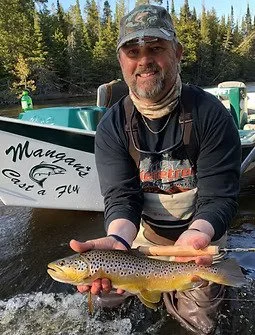
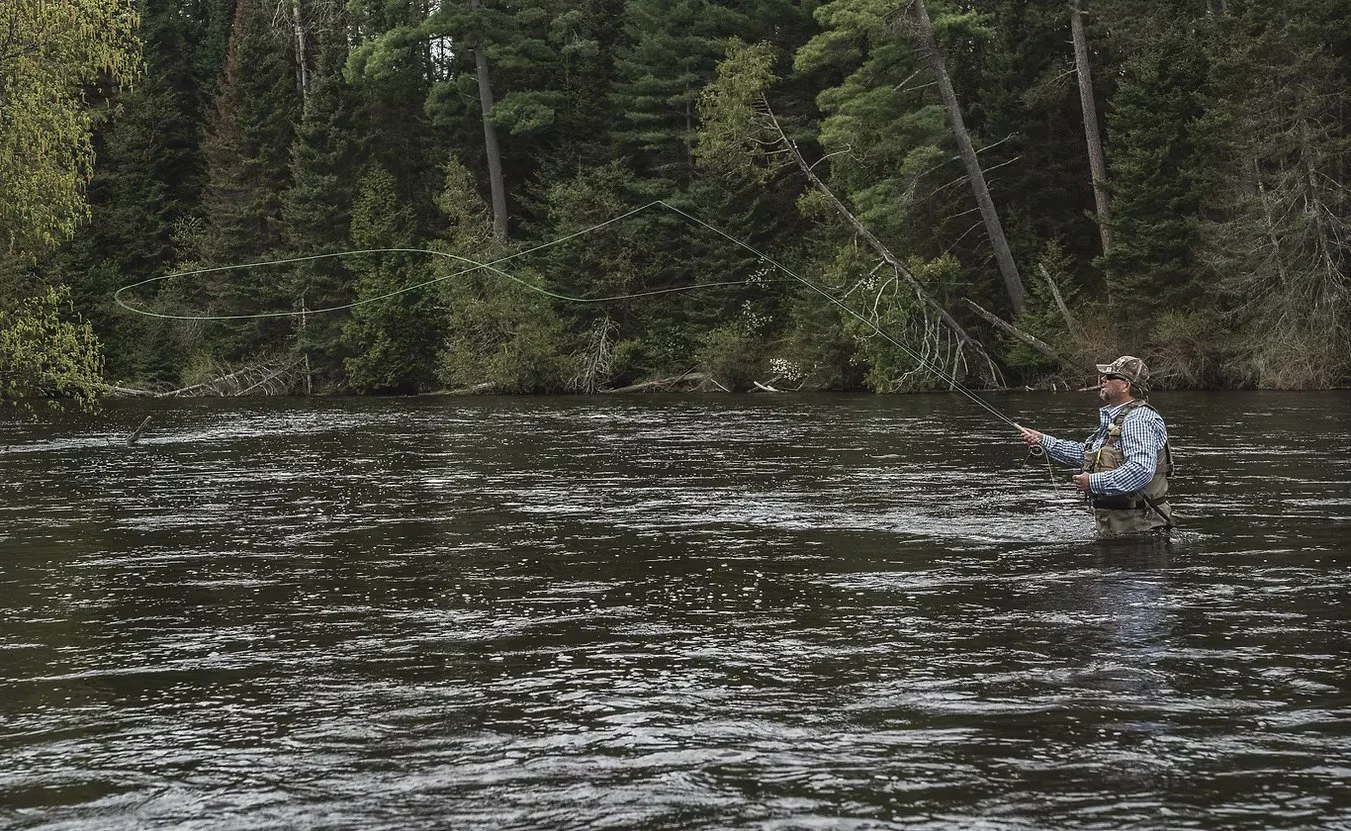
There may be no better example than for those who would like to improve their ability in fly fishing. An instructor can help develop good habits, mindfulness in the motion, and dampen the learning curve. Michigan fly fishing legend, Bill Mangen, is a certified fly casting instructor and guide on the Au Sable River. He uses his knowledge, experience, and passion to teach others how they can master the craft either directly on the water or at outdoor expos. Check out his webpage at www.manganscastafly.com for more information.
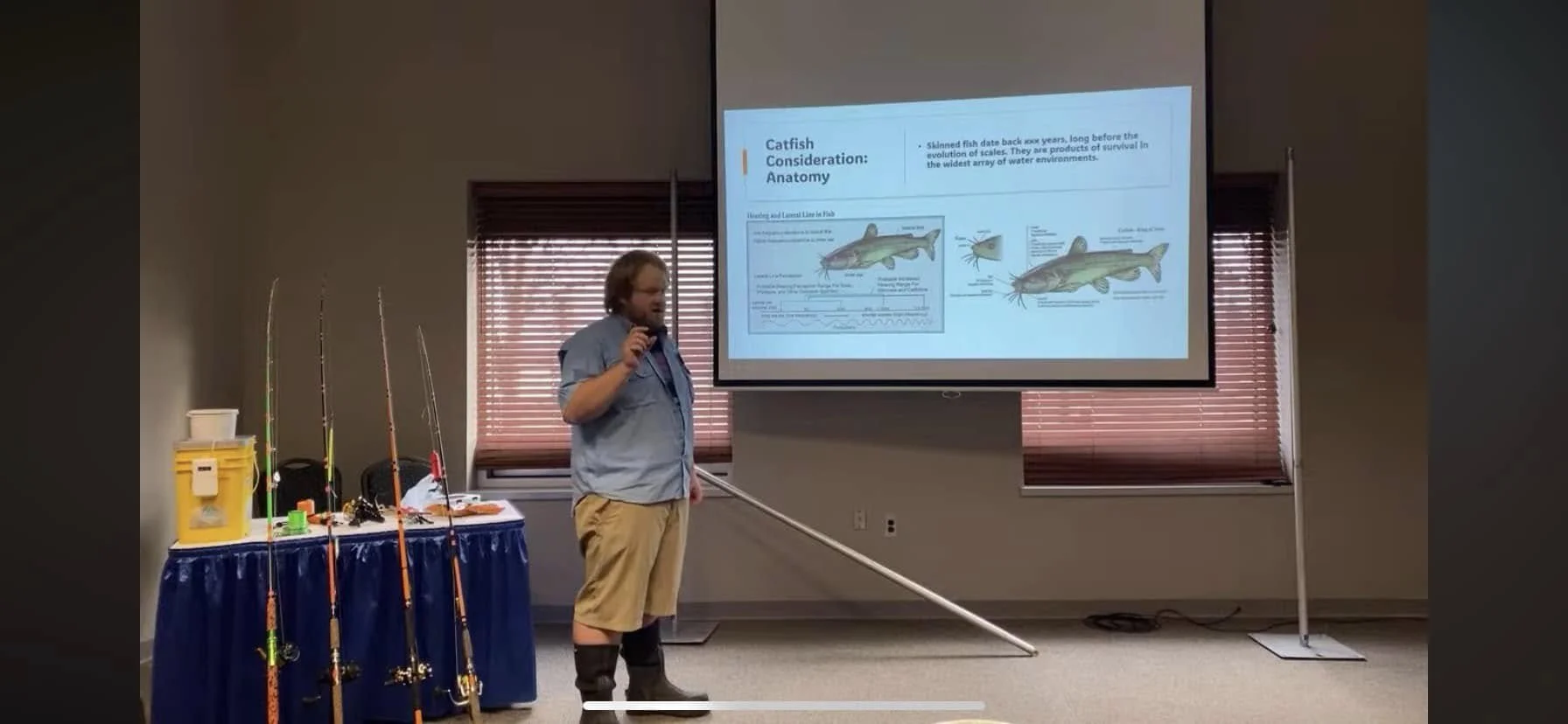
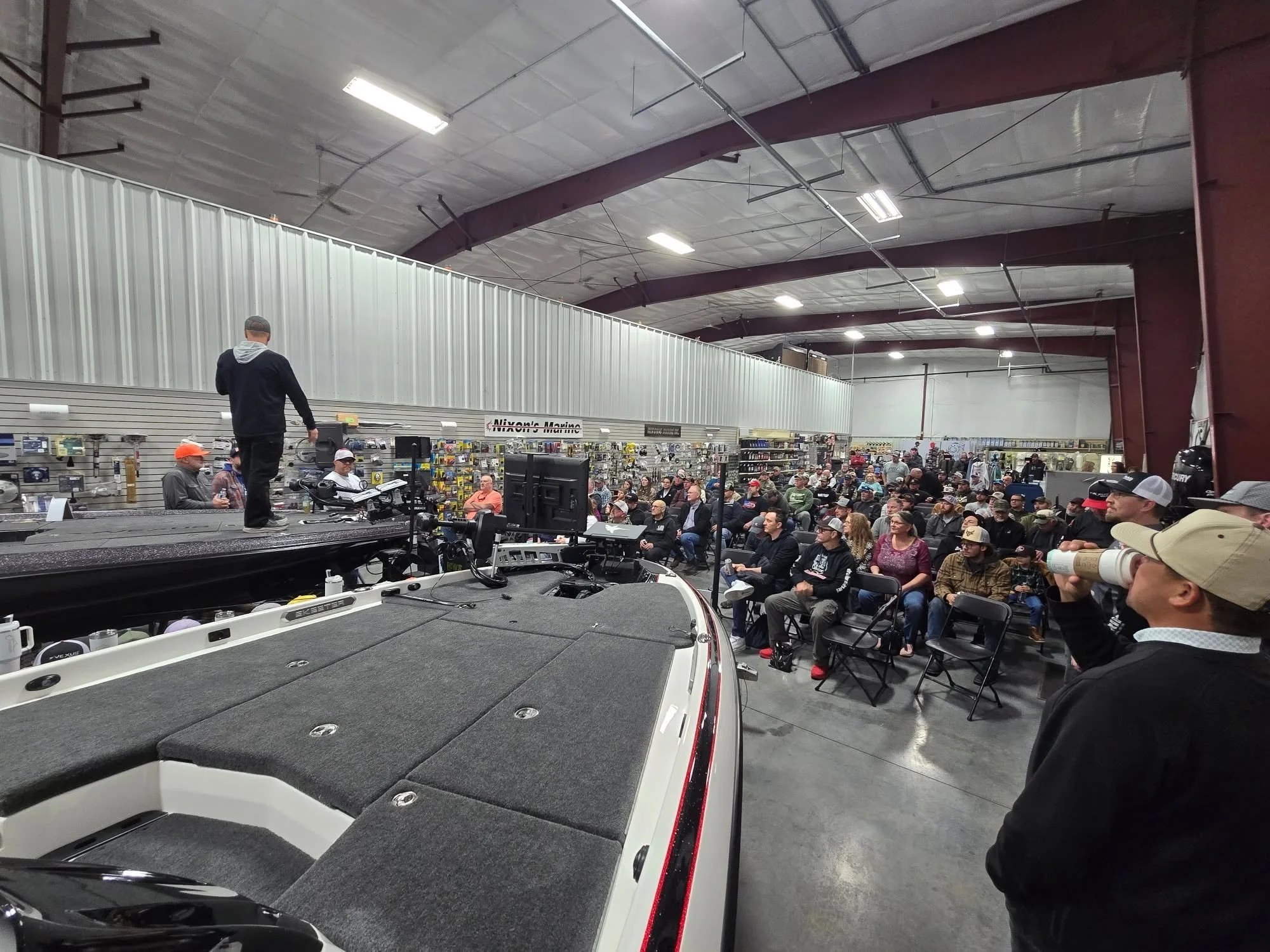
Seminar style presentations are a wonderful means of learning and interacting directly with a voice to learn from. If someone has a very specific or technical question, asking someone directly is far more efficient at getting a clear, accurate answer for understanding. You can learn anything online or in a book, but directly from a teacher is the best.
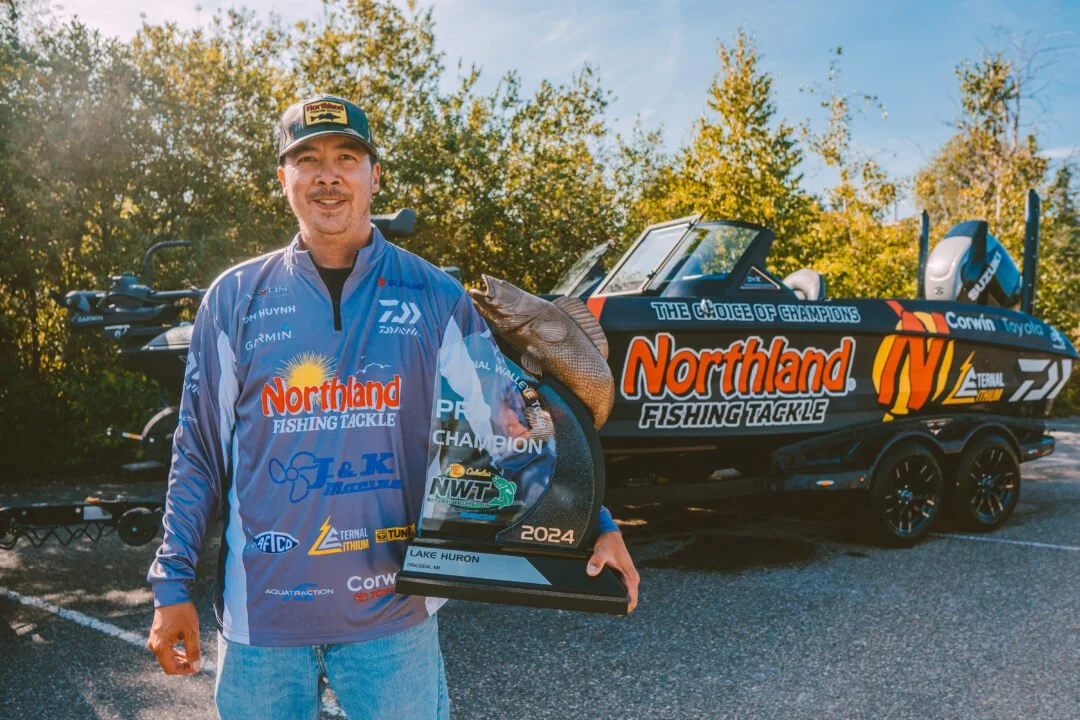
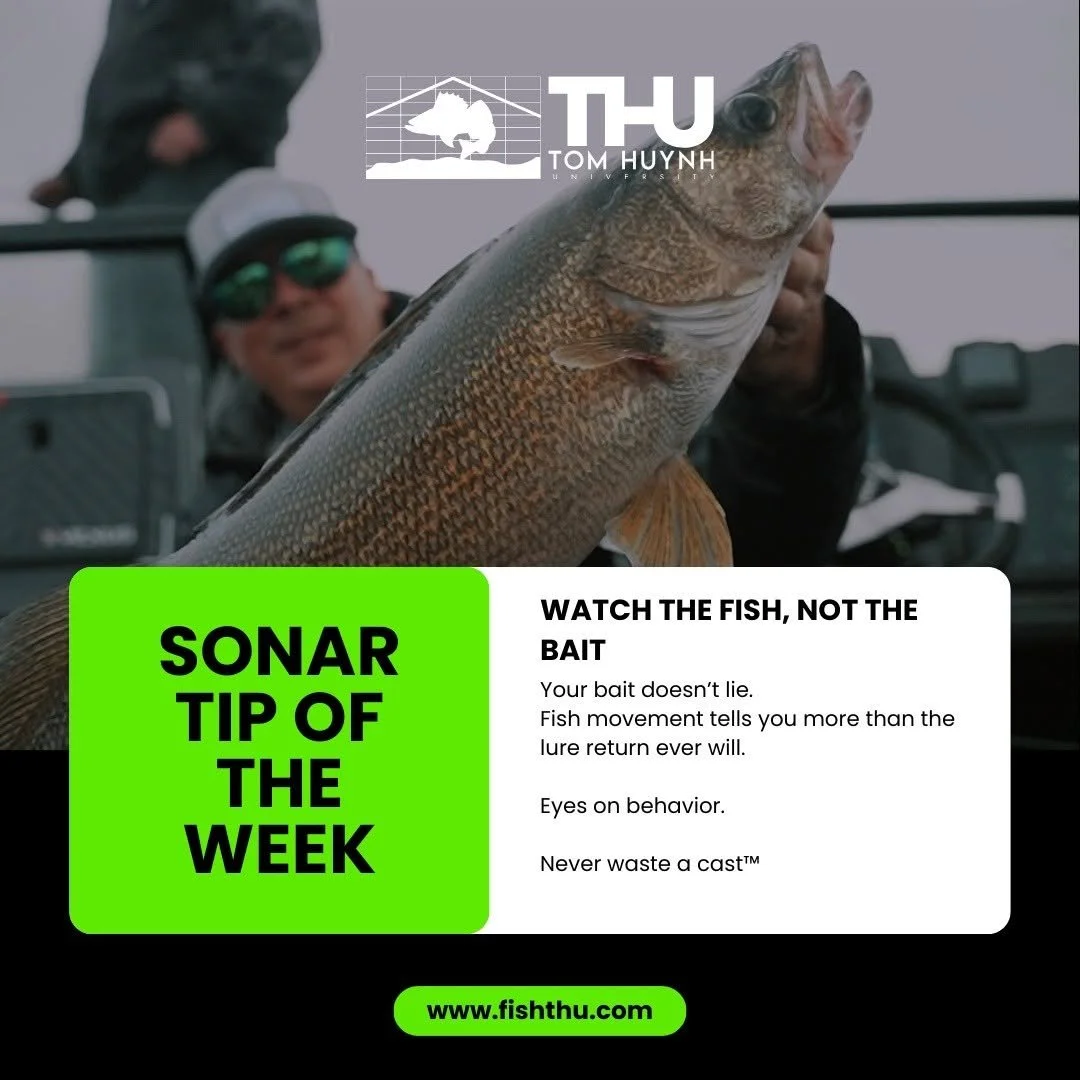
Tom Huynh is an accomplished walleye tournament angler and master of high knowledge in using/rigging fishing sonar and electronics. Last winter, he went on a tour across several states where he gave a forward-facing sonar masterclass. Additionally, he also has his own online program, Tom Huynh University at www.fishthu.com, where you can participate in cirriculum-based fishing education regarding mastering sonar and large, Elaborate lakes from his home state of Minnesota.
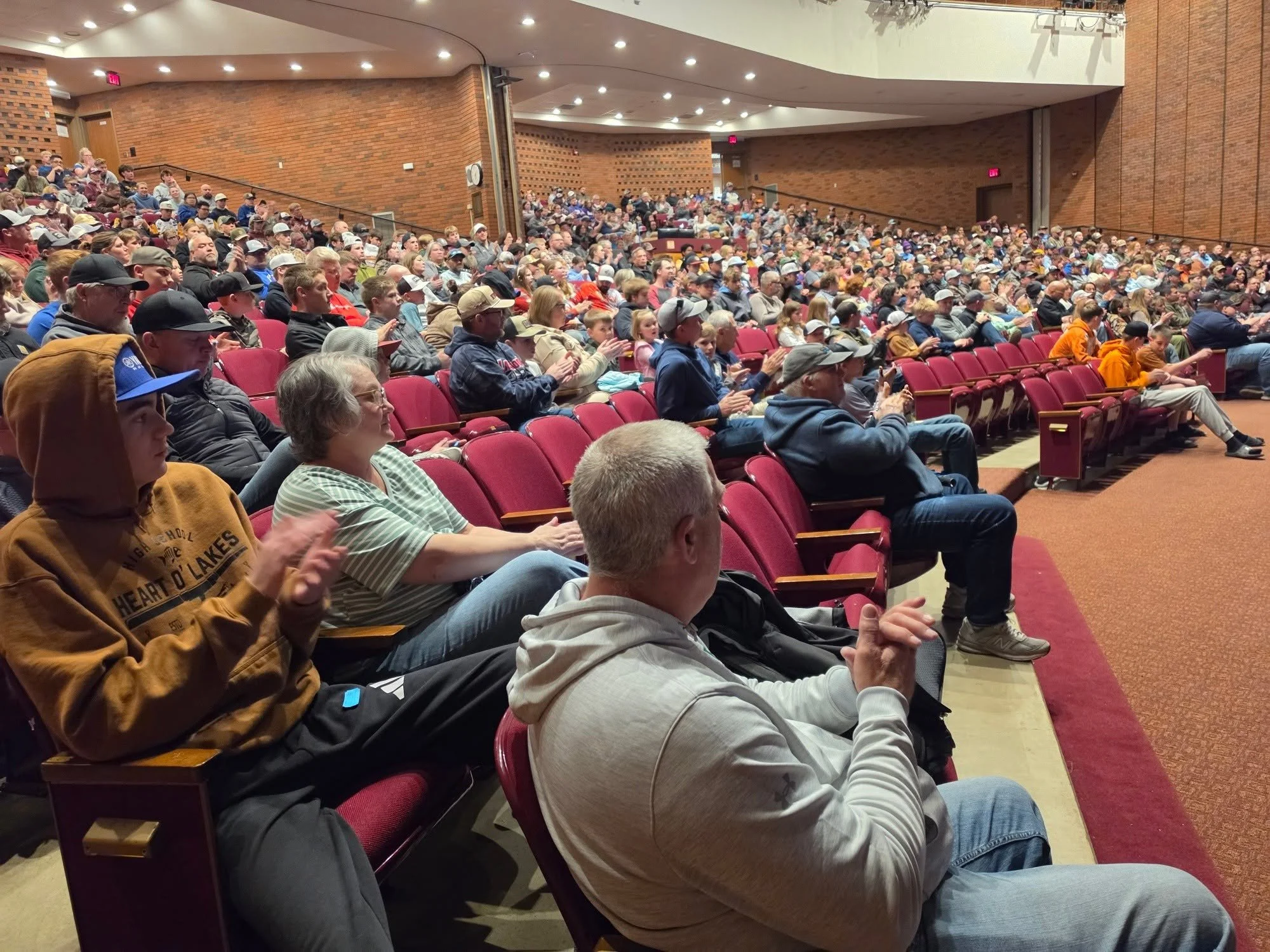
Classwork and work done in the field (or water?) are completely different in instruction and skills. Where in a classroom or online, learning how to tie a knot or rig a bait is pretty straight forward. On the water, an experienced captain can teach you how to operate a boat as a fishing rig to full potential or how to handle rough waters. There are some things best learned directly from someone with experience. It not only produces better results quicker, it can be a safety factor.
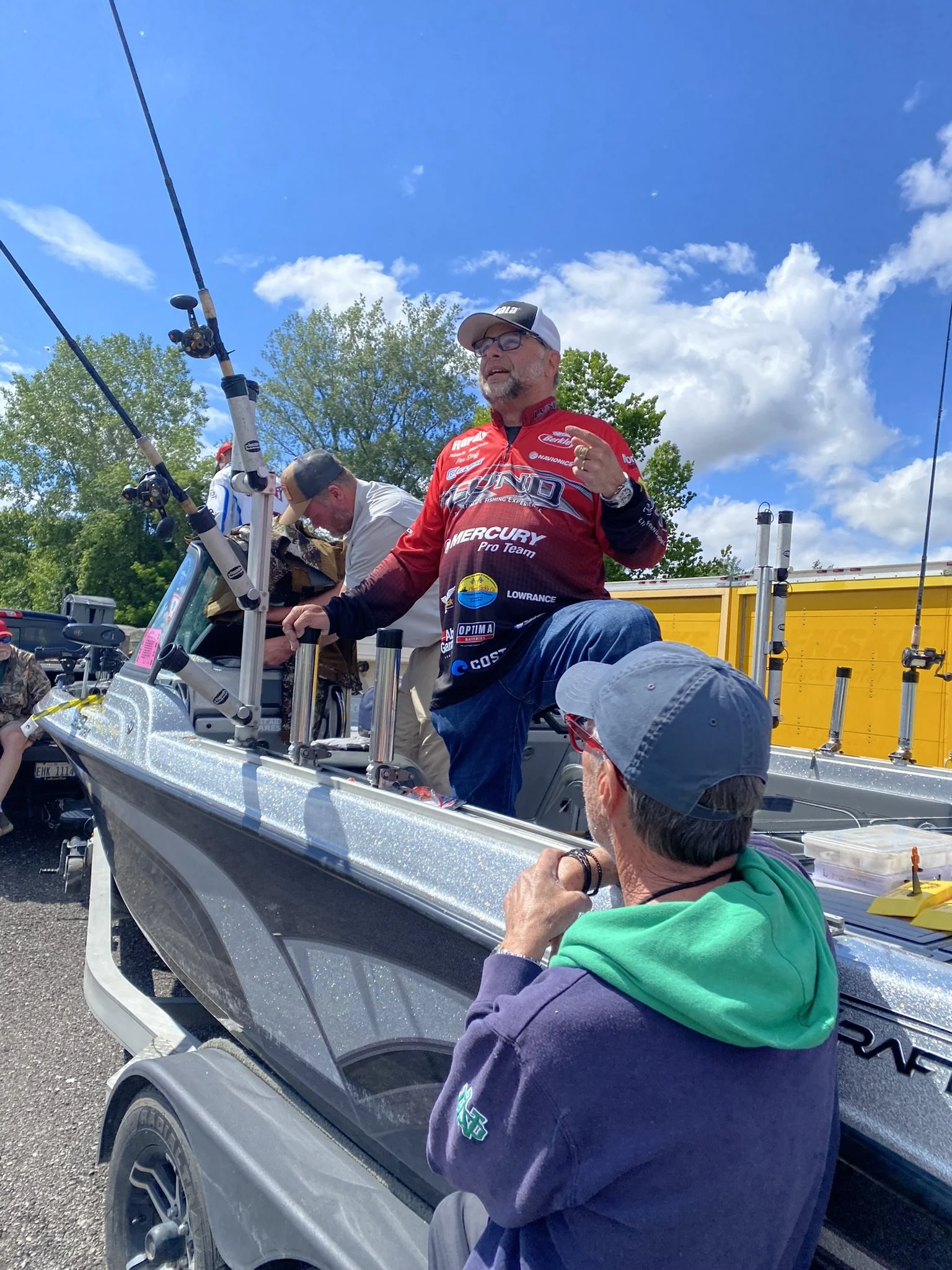
Hall-of-fame walleye angler, Mark Martin, operates an in-person program for anglers looking to learn how to fish Saginaw Bay walleye, along with opportunities in the winter to learn ice fishing. The roots of this operation go back decades to pioneering days of fishing instruction and education with founders of In-Fisherman, Al and Ron Lindner, along with the one and only Mr Walleye, Gary Roach. Mark runs a great operation that is a testament to the history of how fishing instruction has been and always will be- no matter how things change over time.
To learn more about this program, check out these pages on the Open Water Saginaw Bay School and the Ice Fishing School. Both are great opportunities to learn an incredible amount of information from decades worth of experience on the water from respected industry professionals.
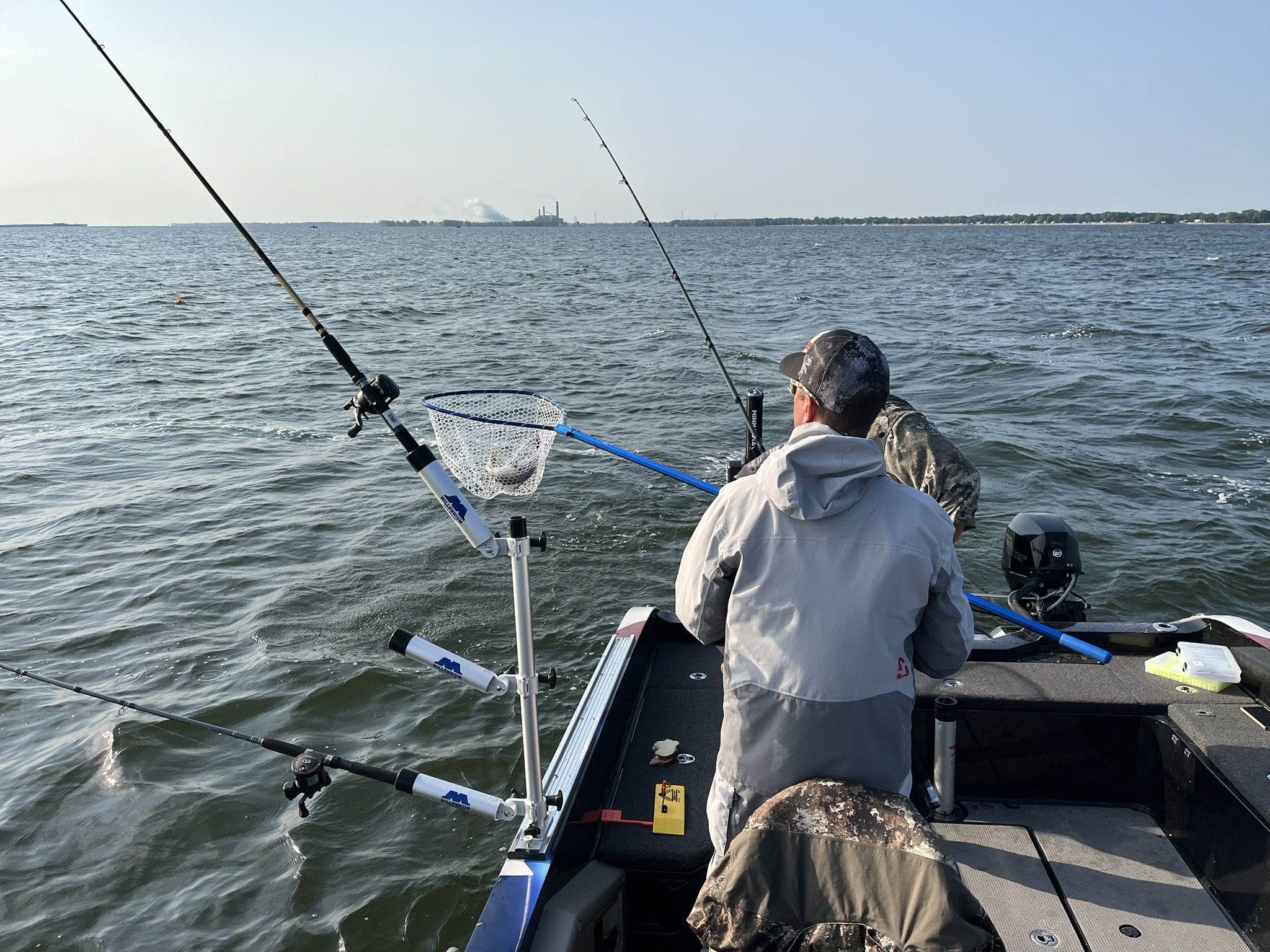
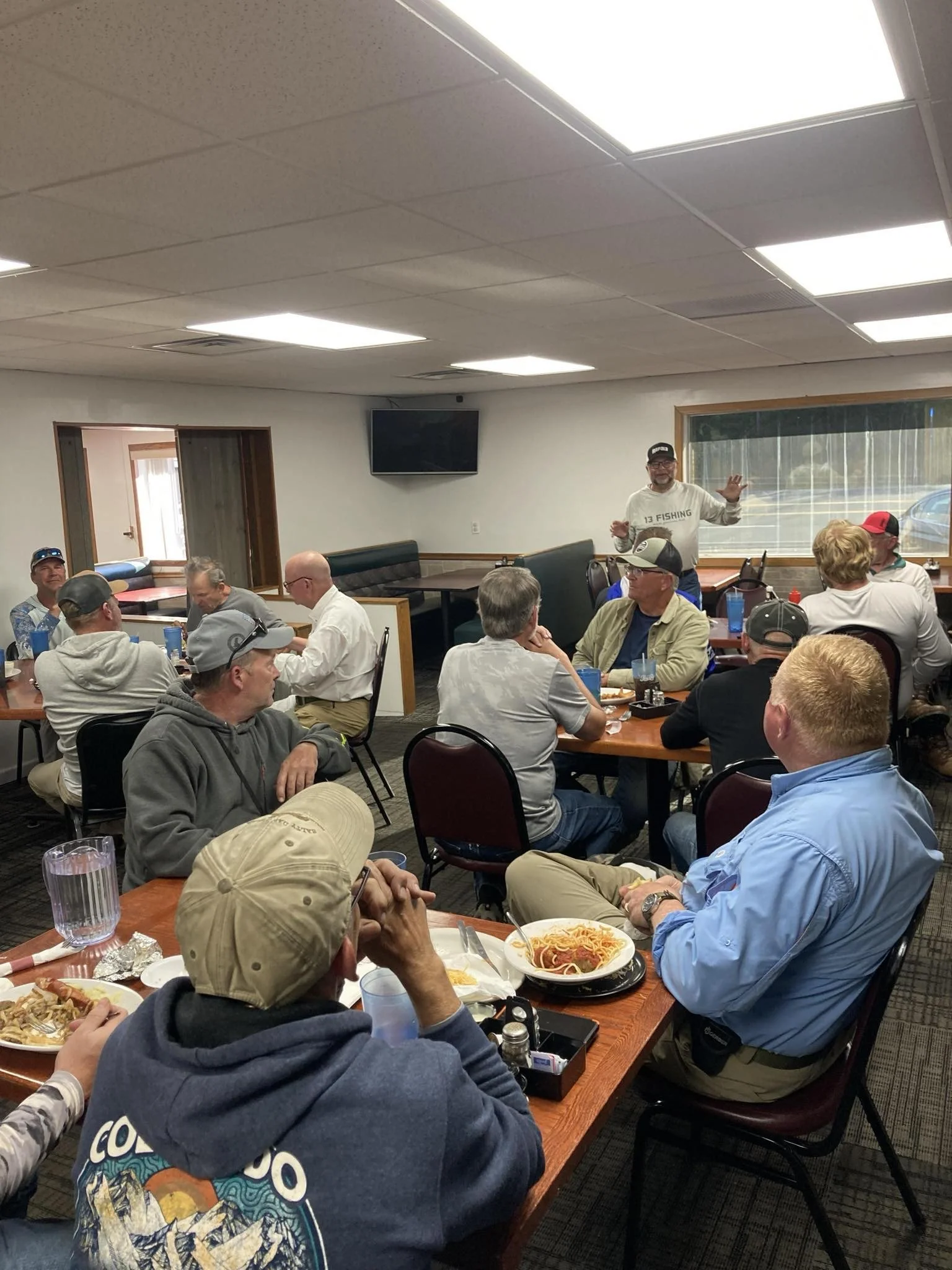
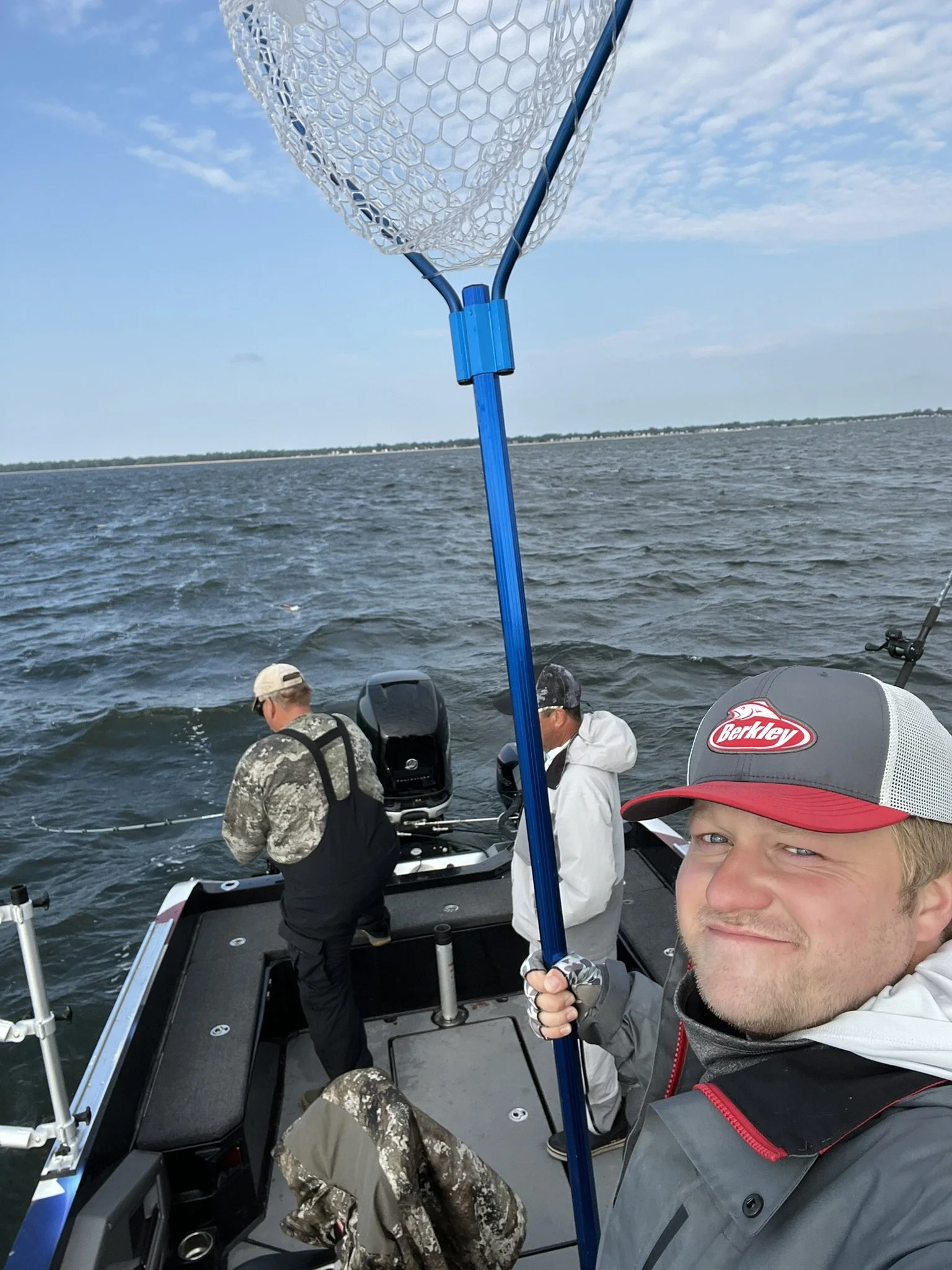
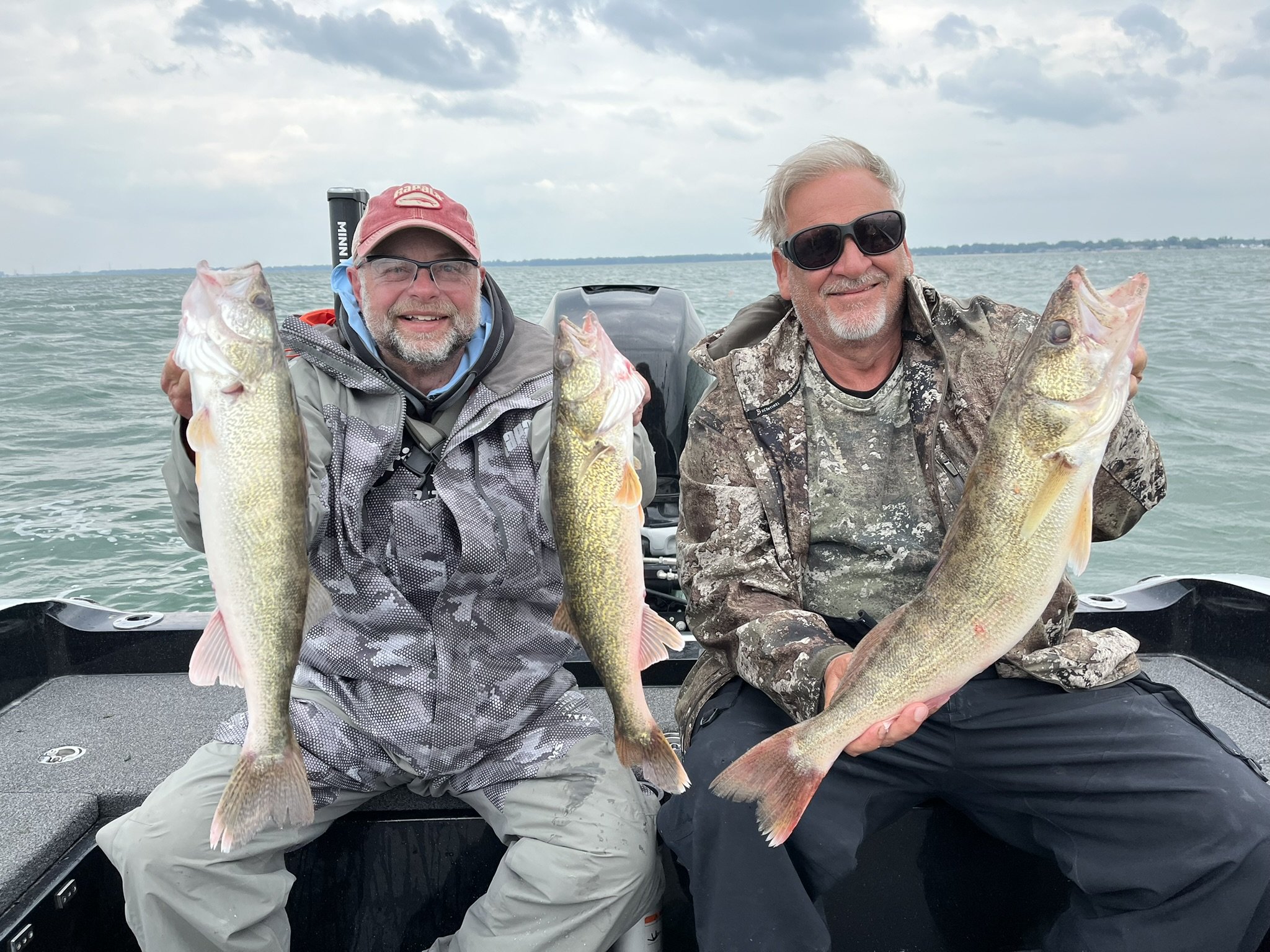
When we look at the big picture in all of this, what is the common theme? The more things change, the more they stay the same. Long ago we would get a sense of excitement checking the mailbox and reading articles in a glossy covered print magazine, while nowadays we have more digital access at our fingertips covering incredibly niche topics. The delivery of material and information may be different- but the desire to consume knowledge relating to angling remains.
Mankind has questioned the potential of the future for ages. Does uncertainty bring feelings of nervousness? Absolutely, but it does not compare to the wonder or should make us apprehensive of what is to come.
Why do I run this website? To me, this is something I love and I feel is very important. When so many folks are trying to be TikTok famous or Viral on Facebook or YouTube, telling stories through words and creating articles is the pure form of it. I do not care what anybody says. Writing about fishing has done so much for me in my life, I do not think I can express it adequately. That will be a piece for another time.
In closing, I would like to dedicate this to all of the people who have been a part of this journey, especially the outdoor writers/editors/photographers who shaped me. Over the past 14 years, I have gone from writing on vague blogs on the internet to being able to share incredible experiences and knowledge I once dreamed of. Thank you.
This article has been made without the use of Ai.