

Getting Your Head Right: Jig Dynamics for Big River Walleye
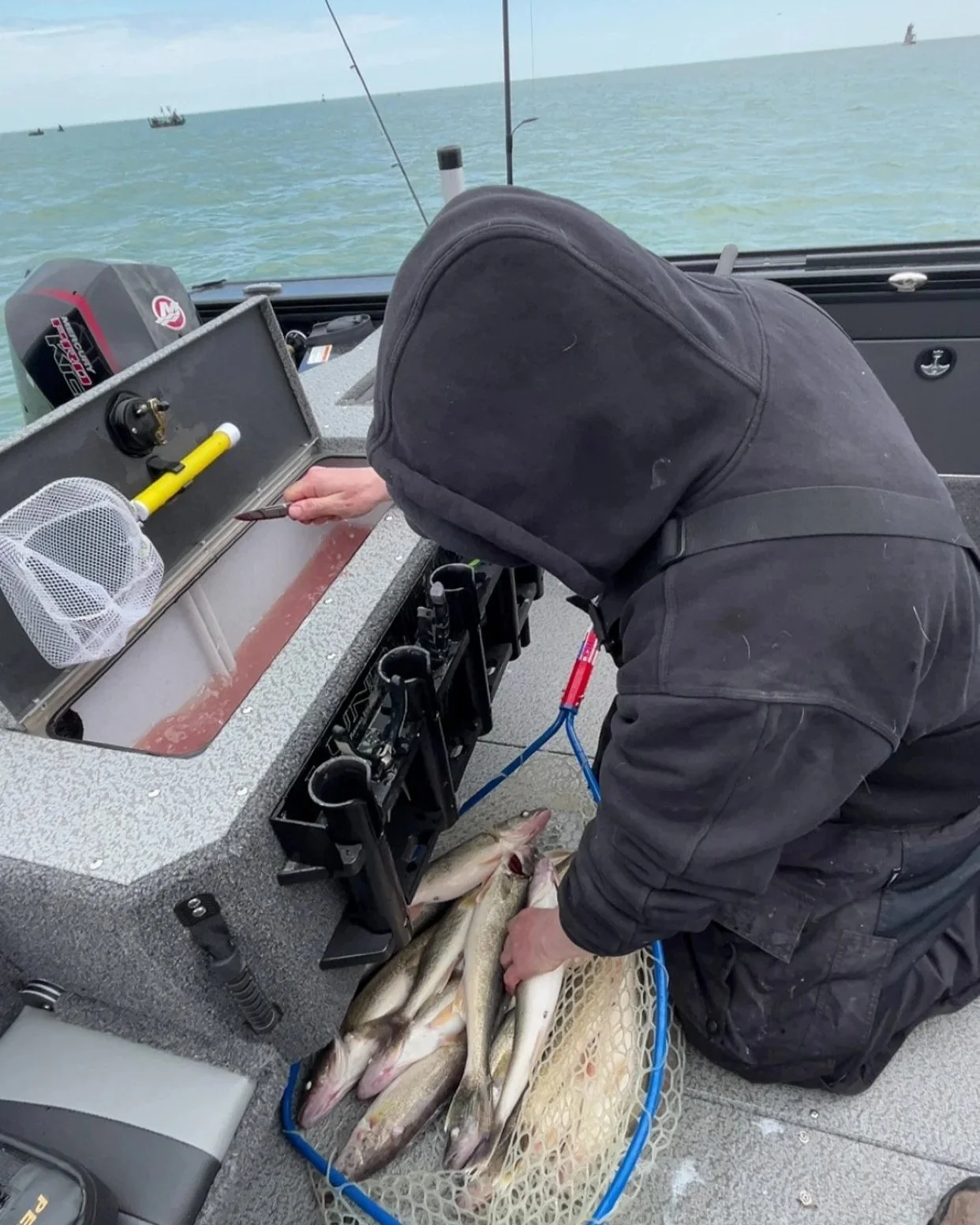
Above: Zack P. loves vertical jigging walleye on the Detroit River and looks forward to it every spring.
Jigs are pounding the river bottom to the beat like a springtime drum on the great lakes. April through May, walleye anglers from the lower Detroit River by Grosse Isle, to Port Huron on the St Clair River most likely have a jig in hand. On great lakes connecting waterways, walleye season is open year round.
If you asked a facebook forum what a preferred jig size is for these rivers, you will get many comments in no time telling you a few different answers that all work depending on section of the river and depth. That is the big theme here, they all work. What it ultimately boils down to is the feel and confidence of the angler and their experience. The best jig is one that feels bottom and helps stay vertical in these situations for best fish-catching results.
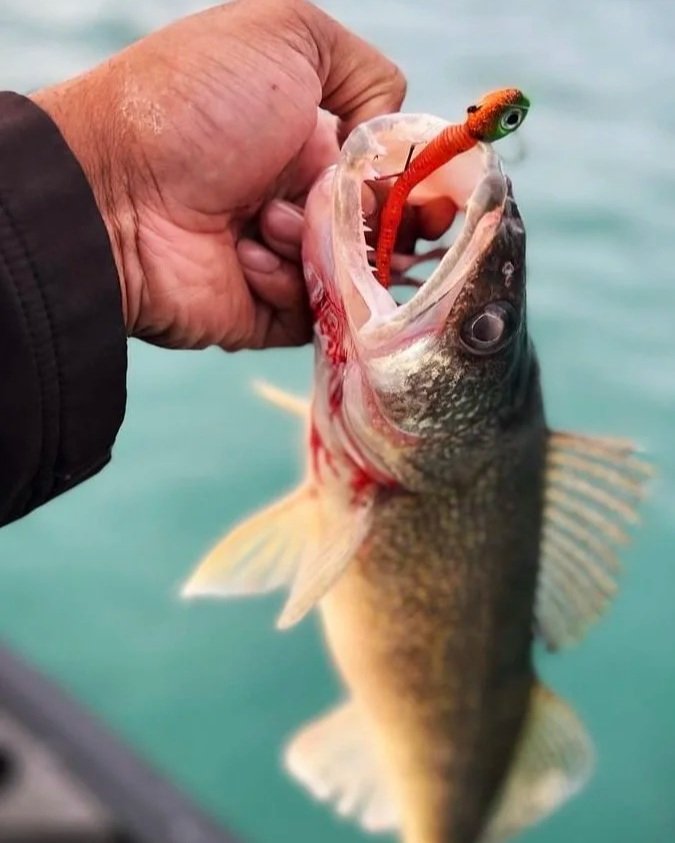
The Detroit river generally flows at a rate of 1.15-2.3 mph on average, with some areas faster. The St Clair River averages roughly 3-4.5 mph. Throughout both of these systems, current rate and depth vary, which means that your jig size should as well. A 1 ounce jighead can get the job done anywhere on these systems. It is the most commonly used size for newbies and experienced anglers. 1.5 ounce is a great option when fishing areas that are deeper and have faster current. On the Detroit, this would be the middle grounds/shipping channel near downtown, where fish are pulled up beyond 35-40+ feet of water. On the St Clair river, a 1.5oz works very well in the fast current around Port Huron and in the deeper parts of the north channel around Algonac.
Rivers never flow at a truly consistent rate. Where you are on a river, wind and other factors can increase or decrease the rate of flow. For the most part, 1oz on either of these rivers can get the job done. Some areas can get away with a ¾ and some fish better with a little heavier. What it ultimately boils down is the experience of the anglers ability to feel the bottom.

A round-ball jighead always works and always will. Over time, improvements have come along to enhance the performance by adjusting the shape and design. Many premium (or dare I say- artisan?) jigs nowadays feature eyes, glitter, elaborate pant jobs, and a super tacky sharp sickle hook. Fun fact: the Matzuo Sickle hook became the go-to for river anglers in the early 2010s because its sharp "V-bend" acts like a mechanical barb, locking fish in place so they can't throw the jig in heavy current. It gained massive popularity specifically when Detroit River walleye hunters realized the tempered, thin-wire design offered the perfect balance of surgical penetration and the ability to bend—rather than snap—when pulled out of "sticky" rock piles.
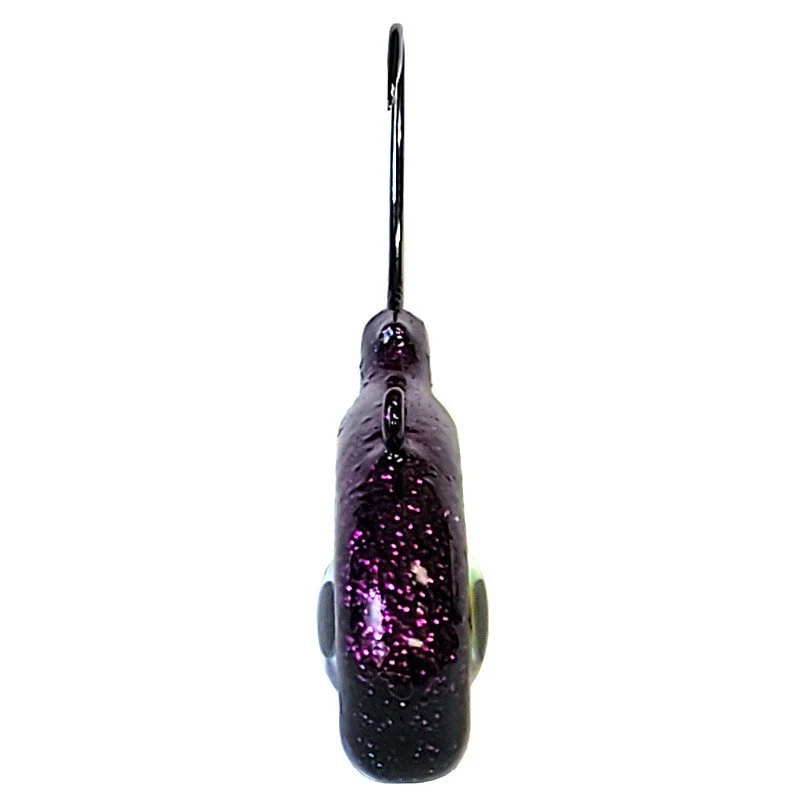
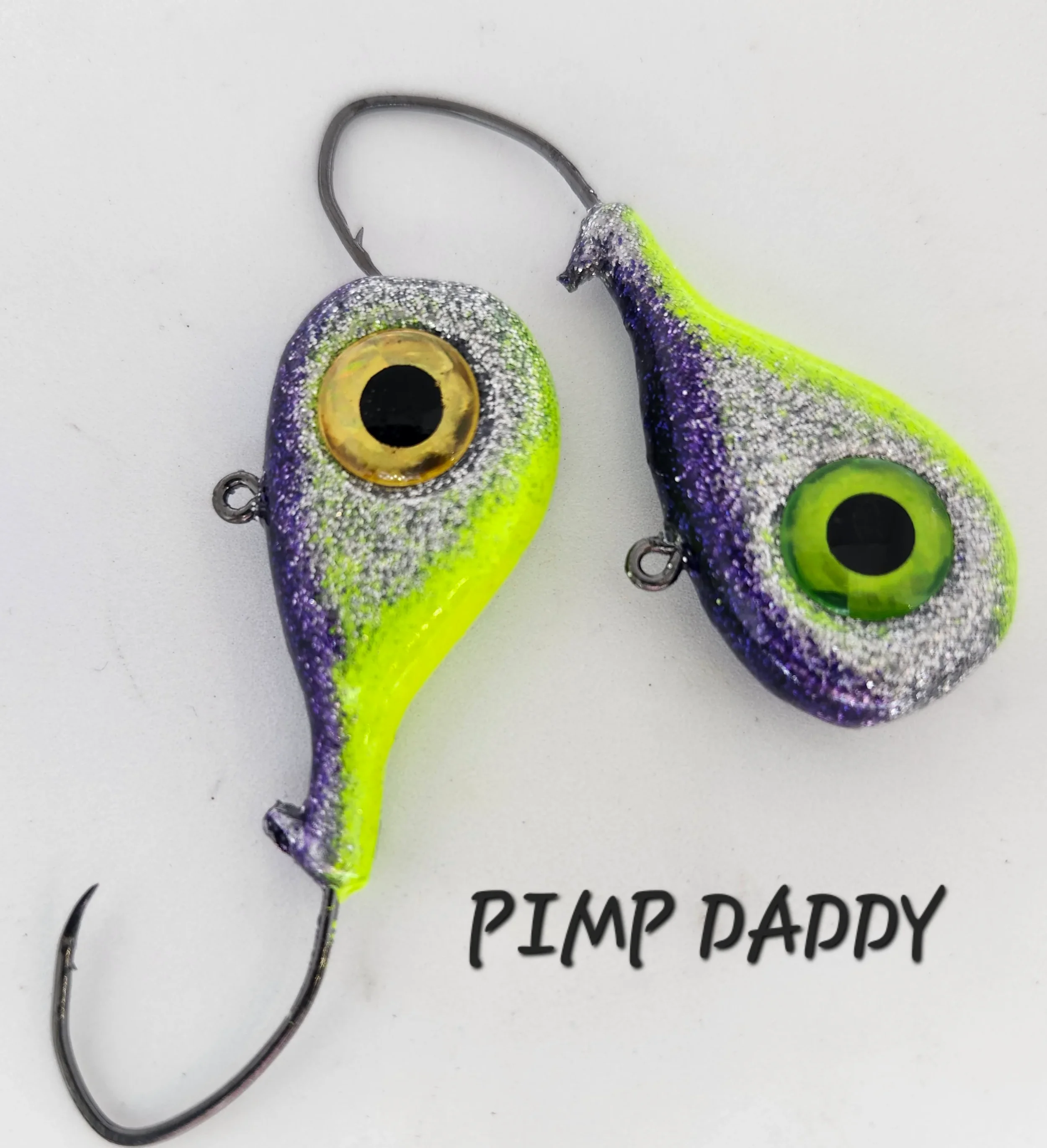
Above: There are many different names for them, but flat jigs work very well when fishing in current for their lack of surface area.
There are many options that are designed to ride better through current. Whether you call them current cutters/pan head/coin jigs, etc., what separates these shapes is how they are flat. Compared to a standard roundball, they have a flattened design to lessen the drag from surface area of the current to carry or push the jig. Bass Pro Shop used to have a signature series “Current Creeper” a few years ago that is no longer in production. Dip Net Bait and Tackle makes one by the name of the Current King, along with Quiet Cove producing their Current Cutter Walleye Jig.
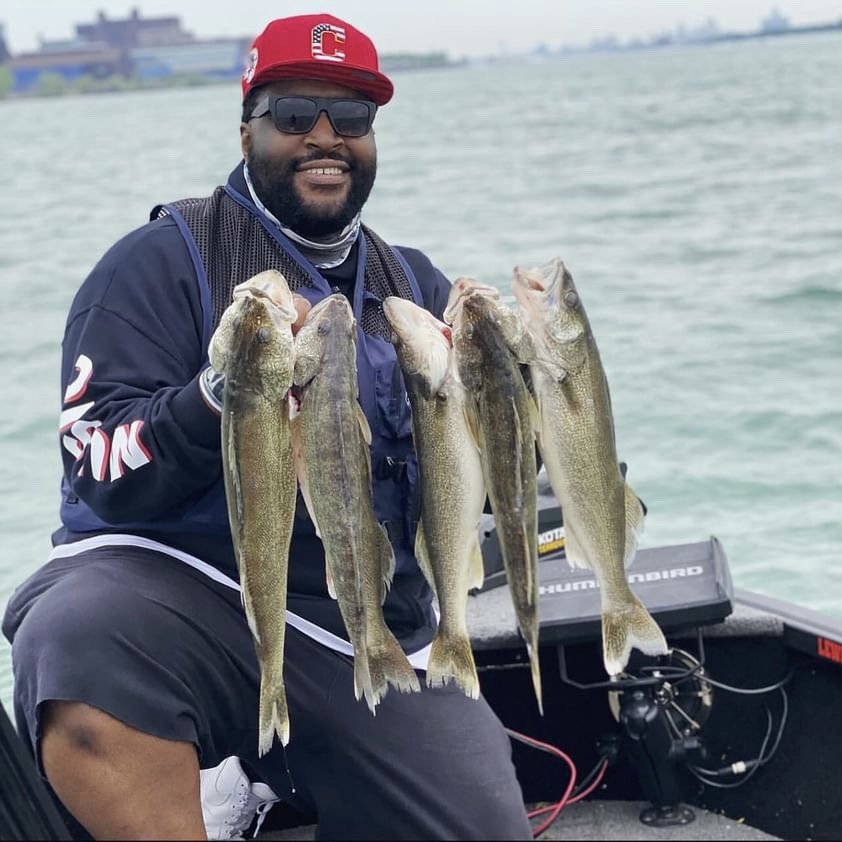
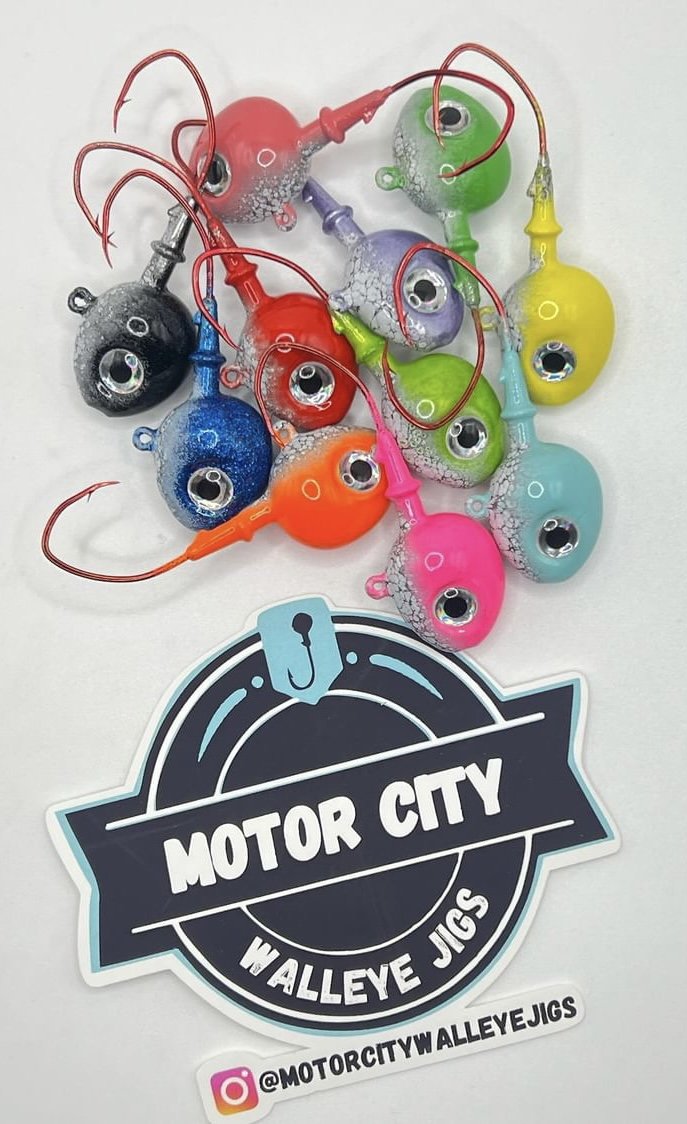
Above: Owner and artist for Motor City Walleye Jigs, Keith, shows off two handfuls of marvelous Detroit river walleye he caught while jigging. These are considered “wedge heads” or “rock hounds” and can be ordered here.
The wedgehead design has become a staple on the Detroit River, specifically engineered to master the current and jagged substrate. This shape is defined by a pointed nose and distinctive flared "cheeks," this jig is built to slice through the heavy flow while tracking perfectly. Often referred to as the "rock hound" mold, it is designed to deflect off underwater obstructions and crawl over snag-prone limestone. The unique shape allows the head to bounce away from tight crevices rather than wedging into them, ensuring that you stay in the strike zone longer without losing your terminal tackle to the river’s "sticky" bottom.
There are many stores and individuals that produce their own jig in this shape, including Motor City Jigs, Eagle Claw Lazer Sharp, Dead End Tackle, Domo’s Custom Tackle (Canadian Made), and more.
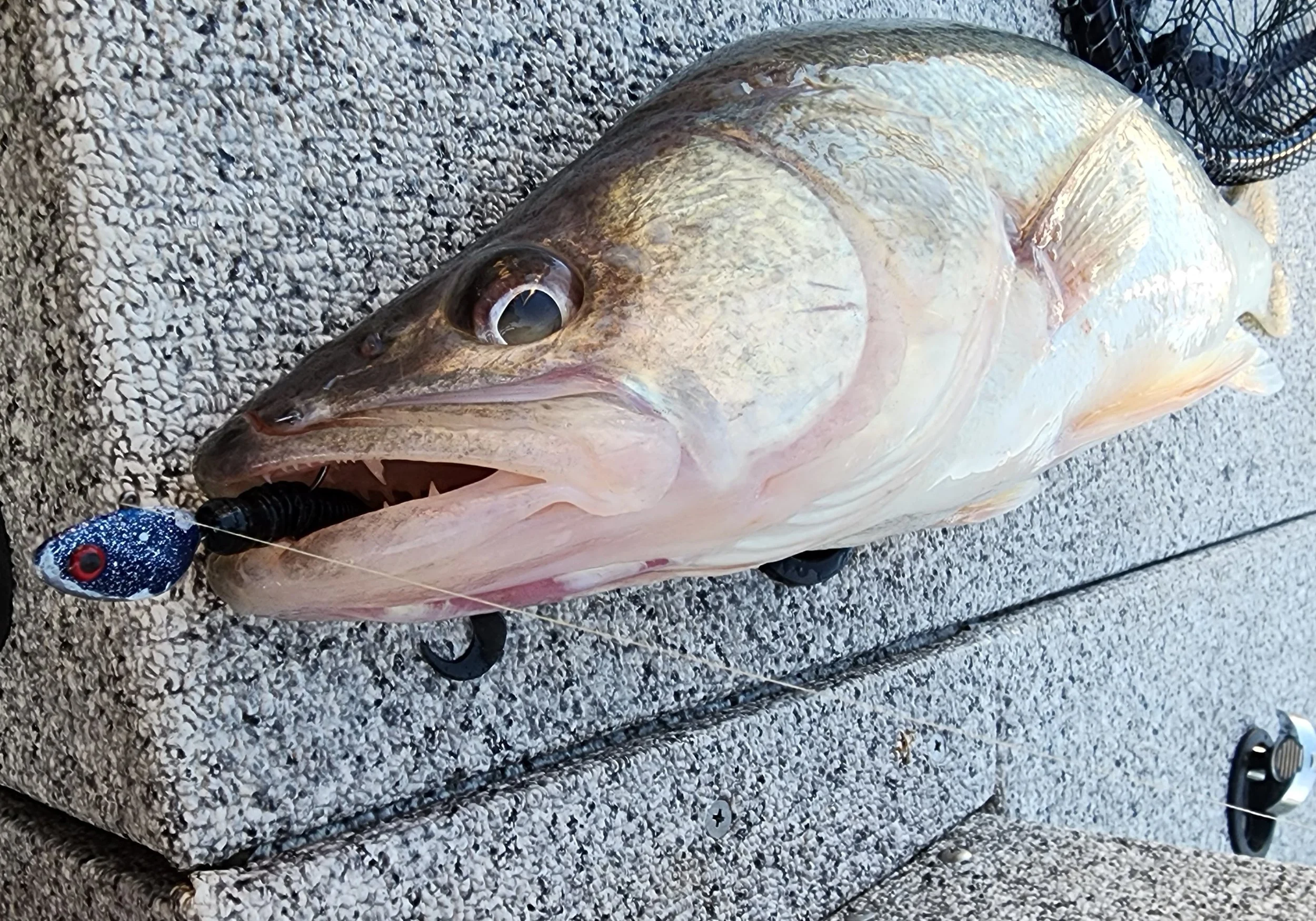
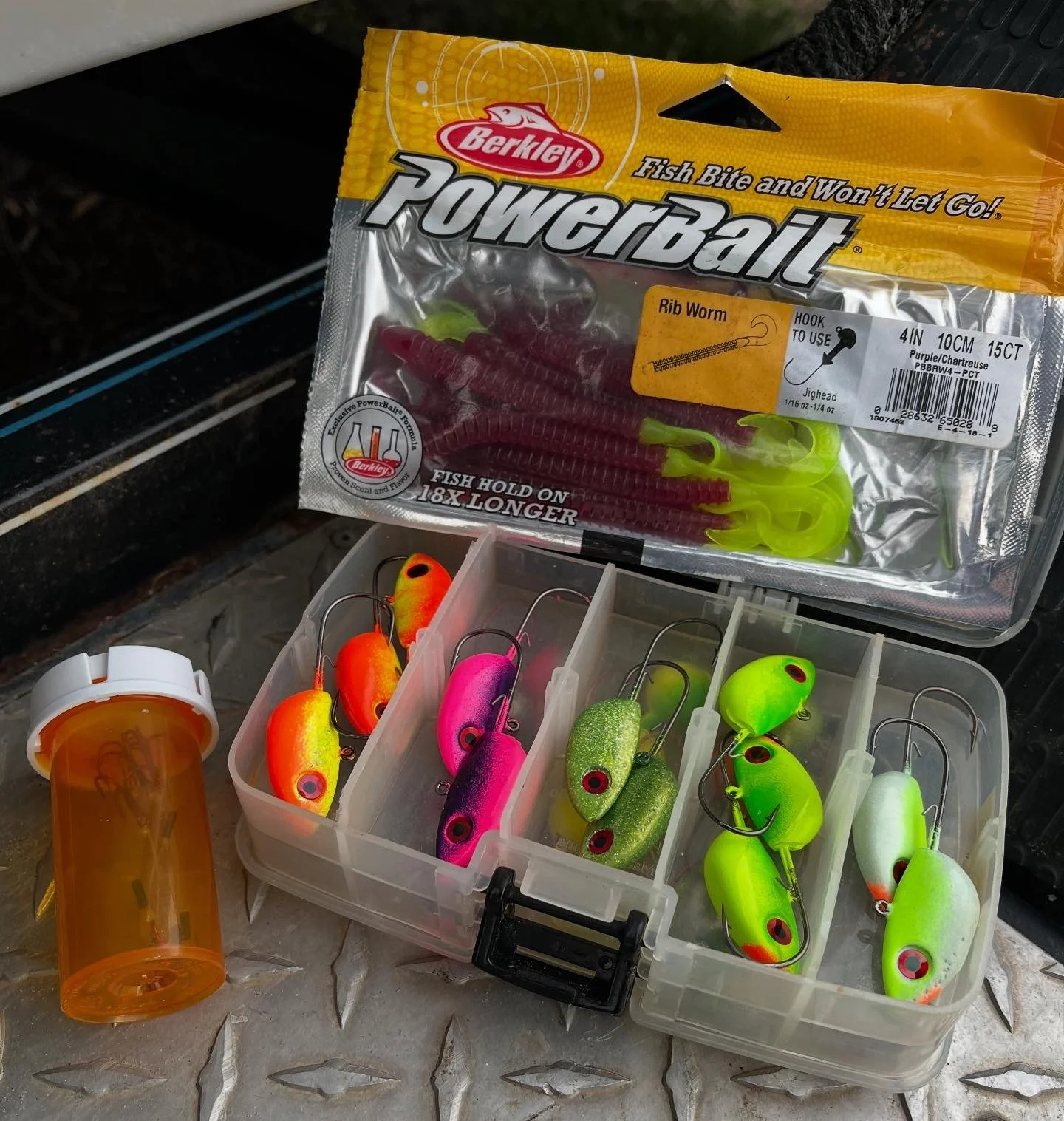
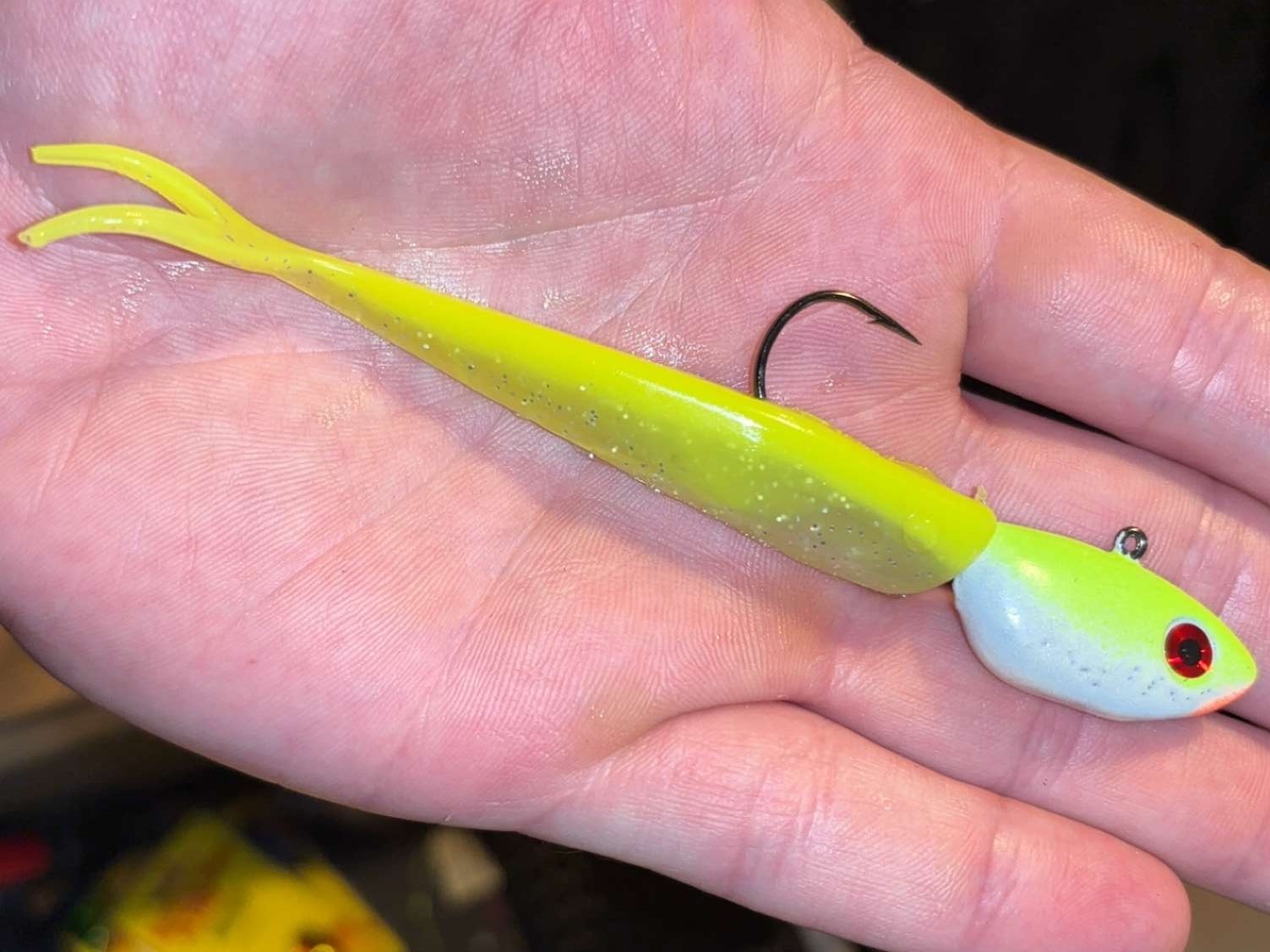
The Thump Jig designed by Capt. Lance Valentine was made to be fished in current and in deeper conditions. Compared to other shapes, this jig has more of a pointed nose and a higher percentage of weight behind the eyelet and below the center of the jig. This design is to push the jig down and point into the current. The shape and balance of the jig allows it to hit the bottom nose down, positioning the hook upwards for fish catching and fewer snags. They call it the thump jig because you can feel it hit the bottom really well. To purchase, visit the Walleye 101 store.
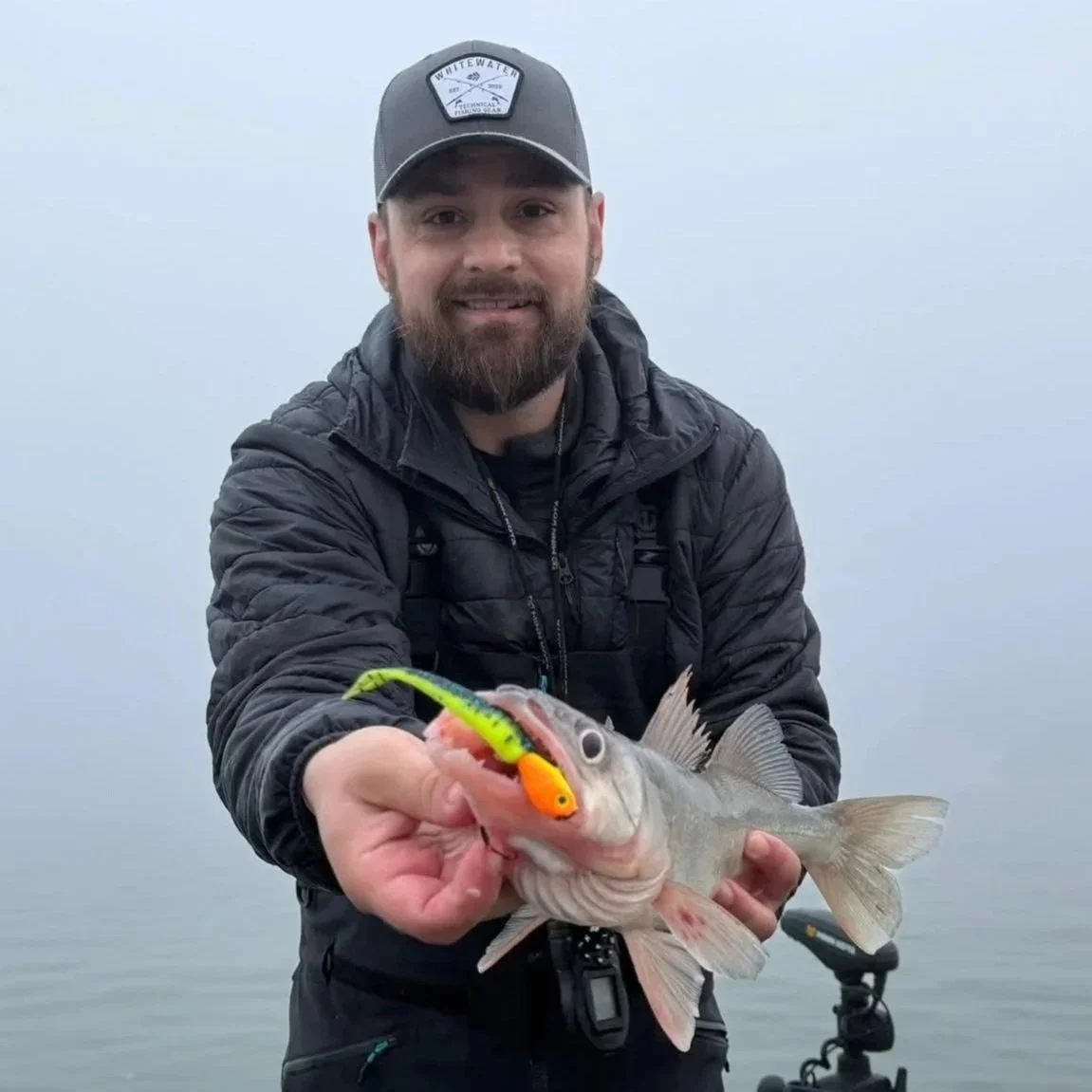
Jigs that have a horizontal presentation do a wonderful job at tracking steady through the water and gliding over rocks and snags.
Another great shape and option found in tackle boxes are lifelike, horizontal presentations often called the Ultra Minnow. These are engineered to maintain a parallel posture that mimics a swimming baitfish in heavy current. With the weight balanced directly beneath the eyelet, this design tracks level and steady through the water without hard nose-diving action, making it a great option over rocks and snaggy features of the river bottom.
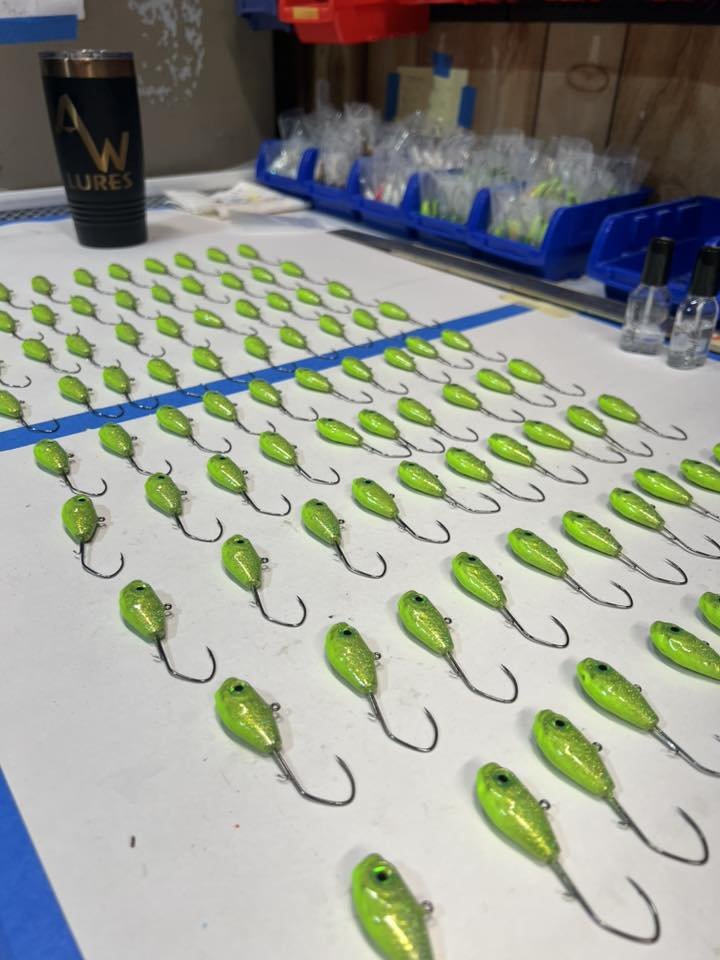
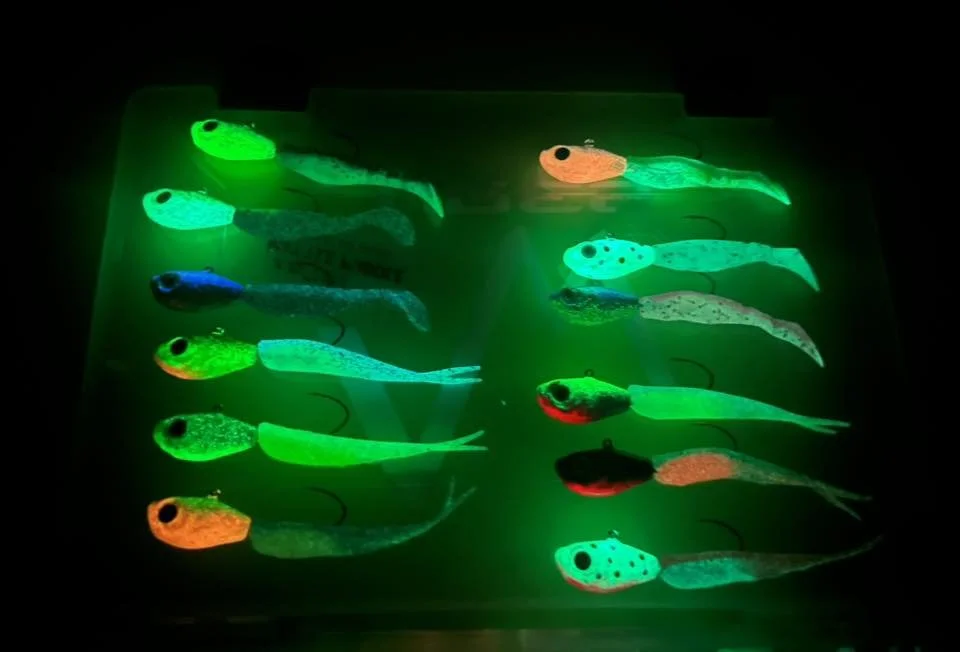
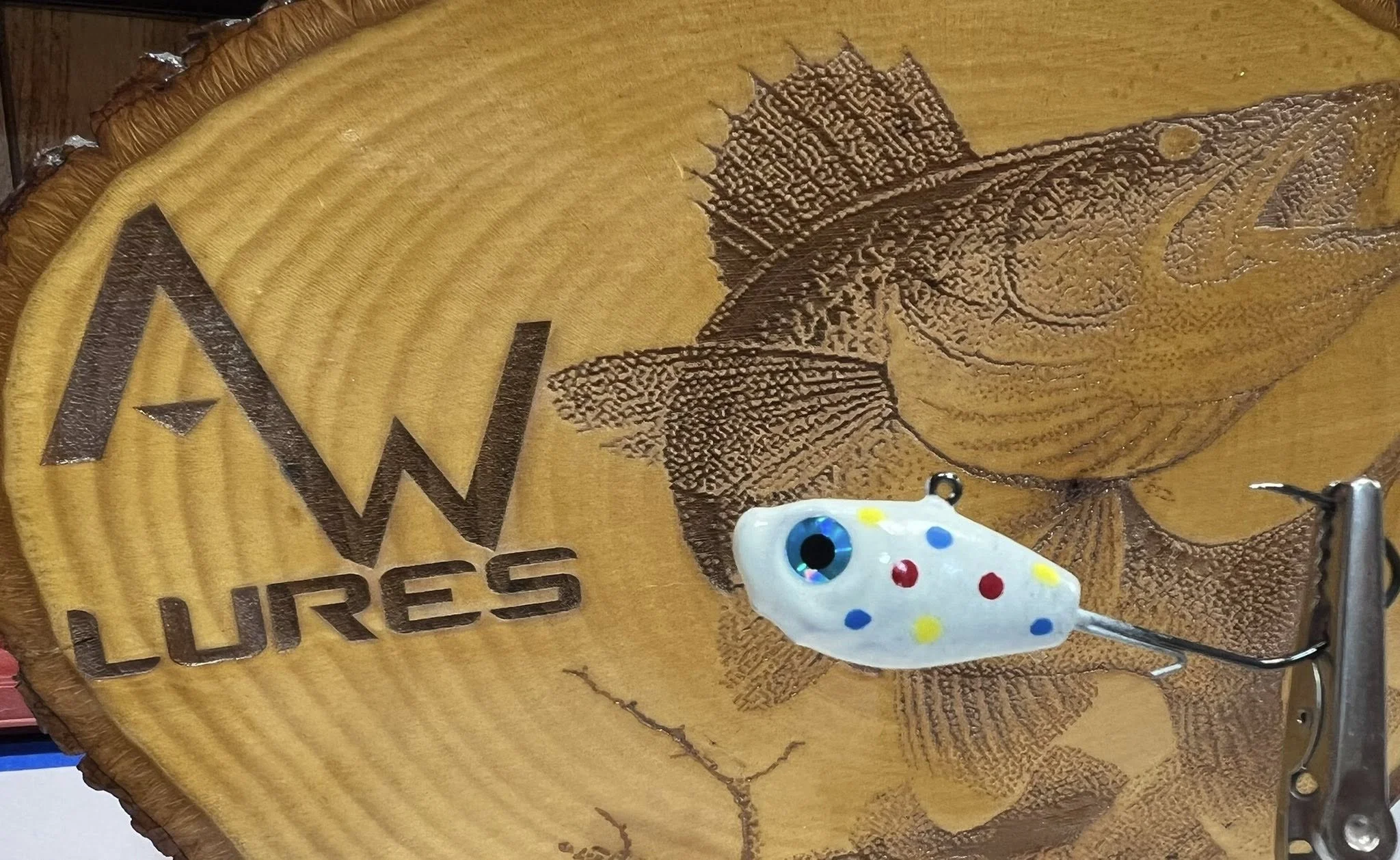
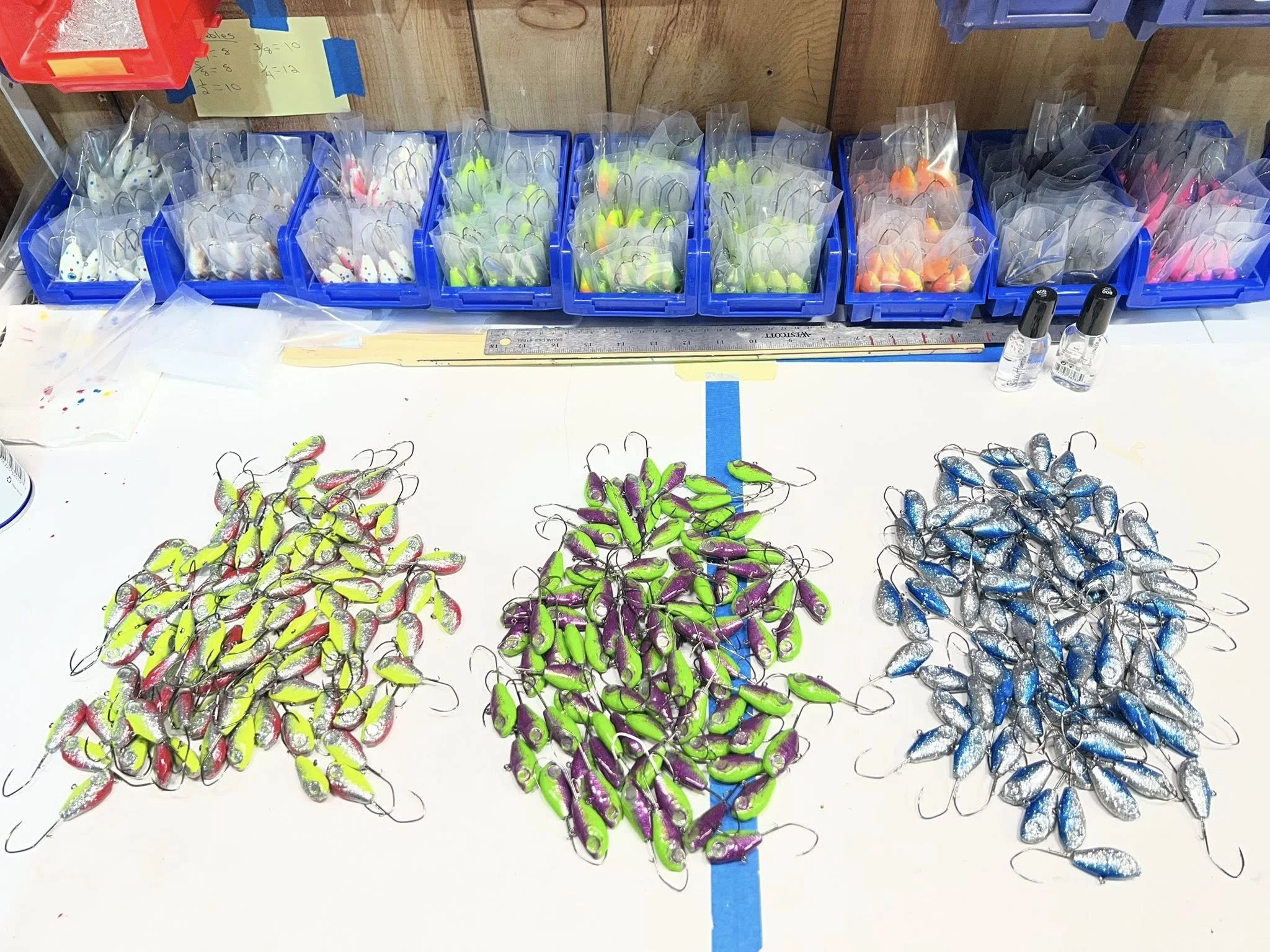
AW Lures is a tackle crafter from Michigan that takes pride in quality work, locally sourced materials, and being made in the USA. In a wide variety of colors and glow in the dark paint jobs, AW Lures produces jigs, custom harness blades, spoons, and ice fishing tackle.
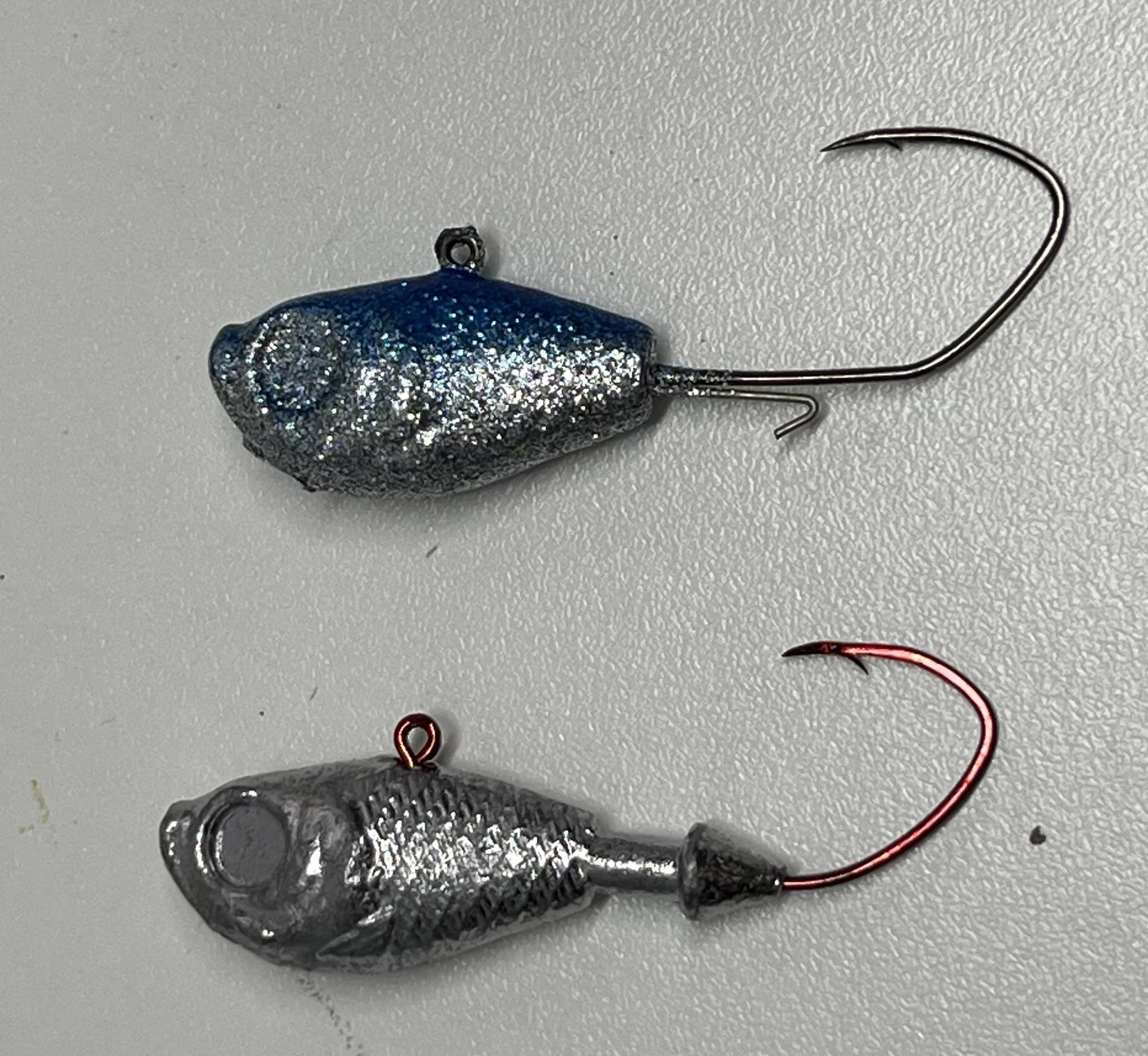
The new and improved design (top) has a wire bait keeper for improved bait connection compared to the original mold with the lead collar (bottom).
When the owner, Andy W., started painting jigs, he began with the traditional shad/minnow style mold from Do-it molds. It originally had a bigger collar and it would split the plastics if you wouldn’t trim off the front end. After spending the time to redesign the jig, moving the weight around, removing the collar and inserting the wire keeper, he finely tuned something good into an option that is great.
“What anglers love about our jig is how it fits with many different plastic styles and sizes, whether you’re jigging the rivers or casting the lakes.”
Visit their Facebook page, AW Lures, to browse products and place an order. Supporting independent, made in America tackle manufacturers is more important now than ever!
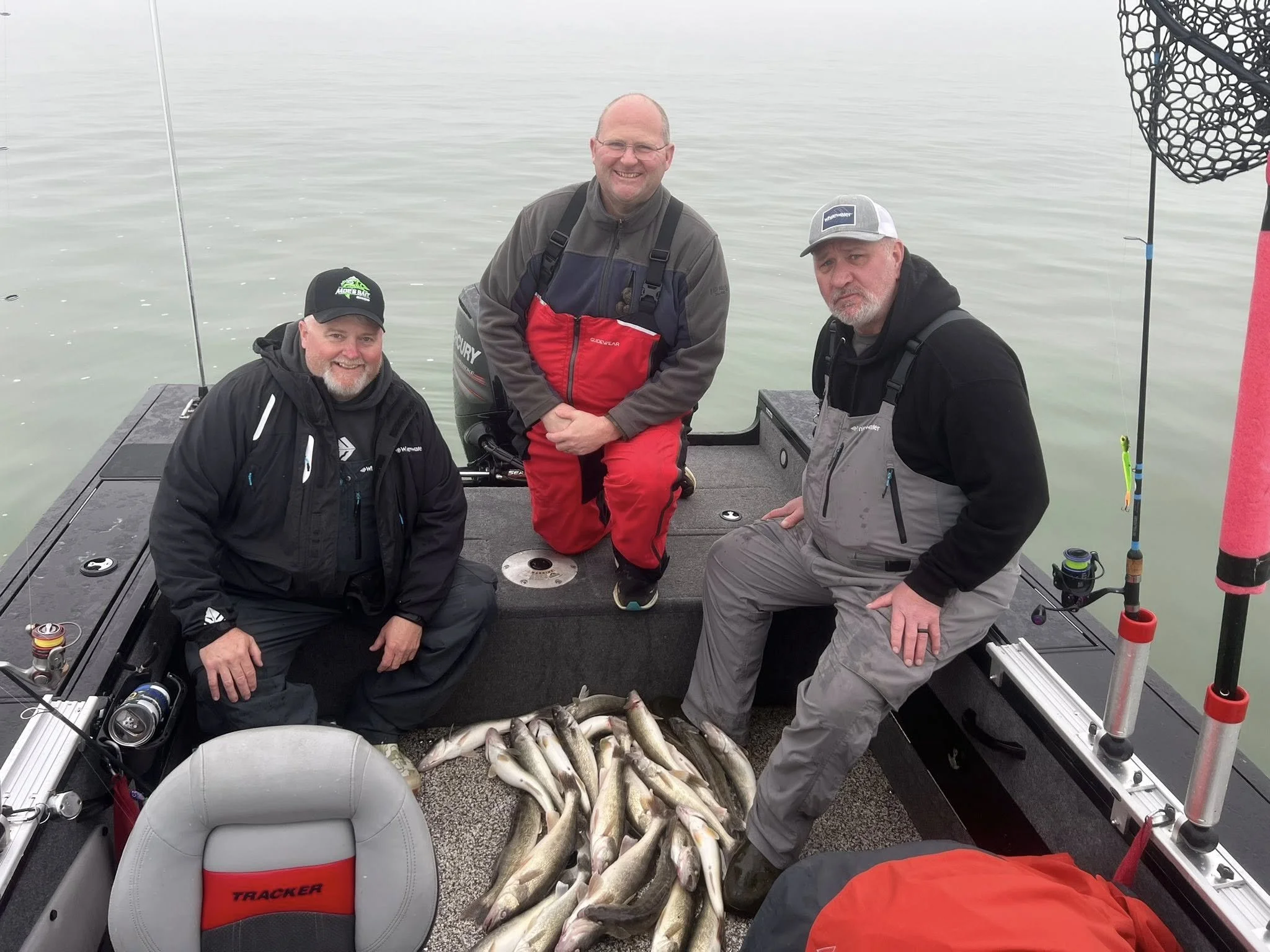
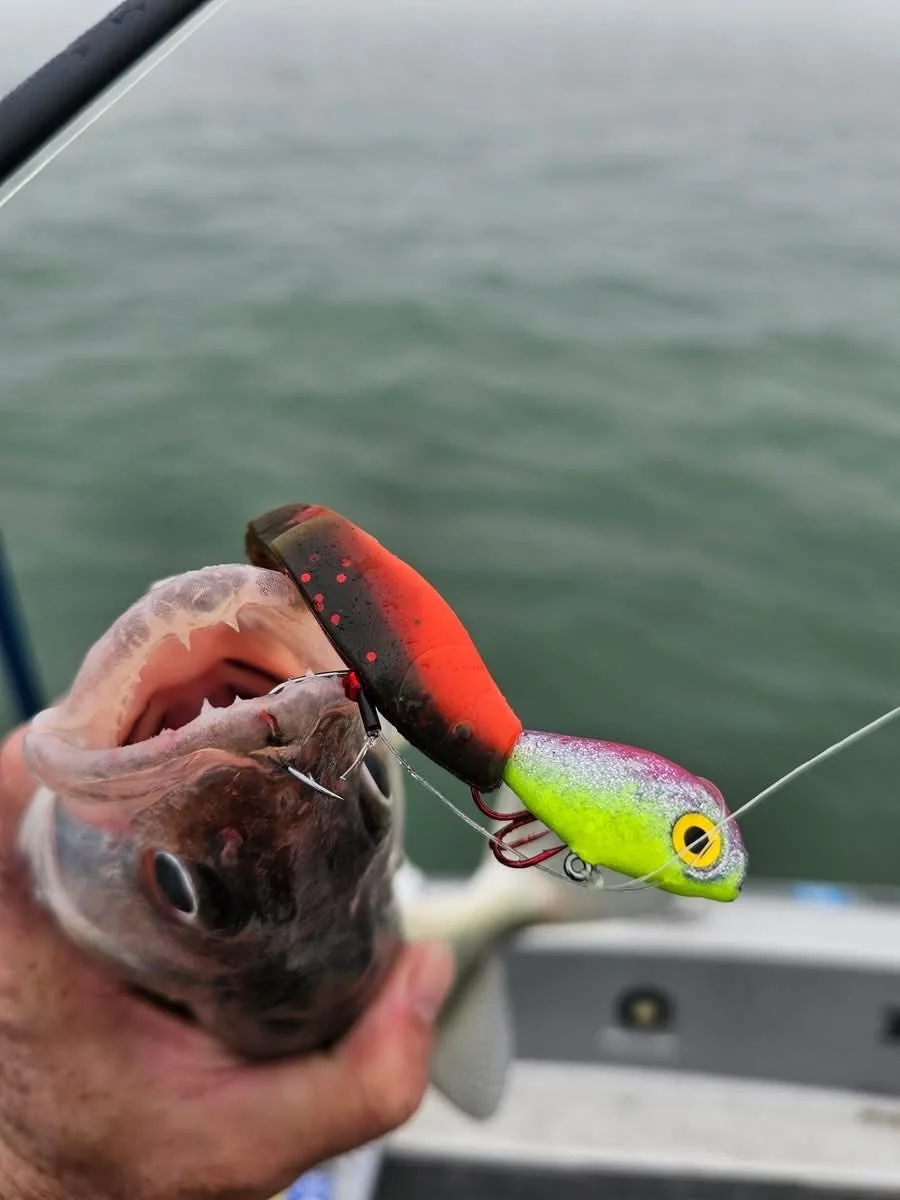
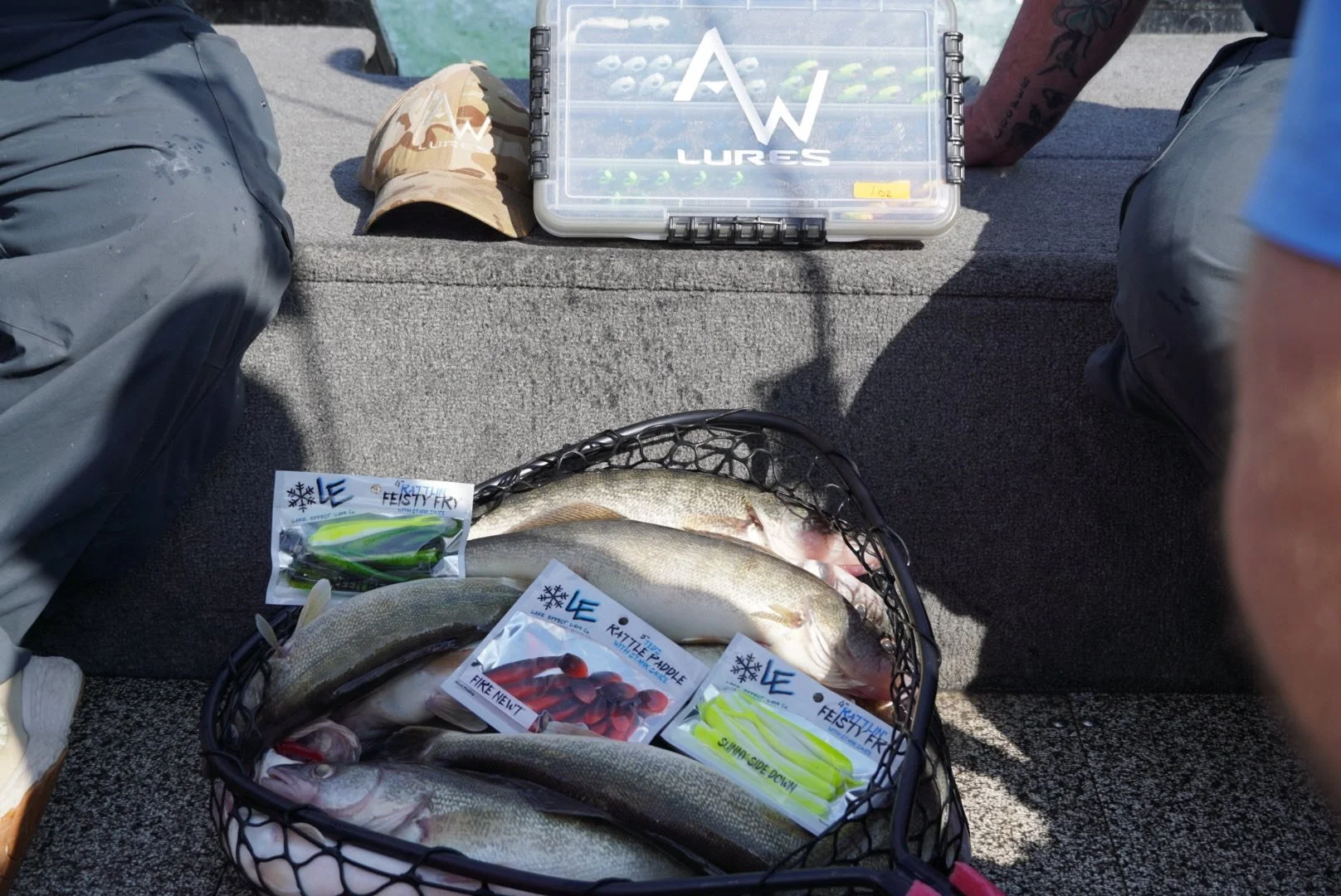
Whatever option you got for- do it with confidence and an open mind to learn. Minnows and worm baits or something near the bottom is what you need. Make sure you have a stinger hook and have your mind and hand ready to detect a bite. Point blank- they all work and do the same thing when you look at the big picture. They all have slight performance and profile differences. Please visit and support local businesses for your fishing tackle needs, including Dip Net Bait & Tackle, Moe’s Bait Shop, Bondy Bait Co. (Canada), Lakeside Fishing Shop, and more.
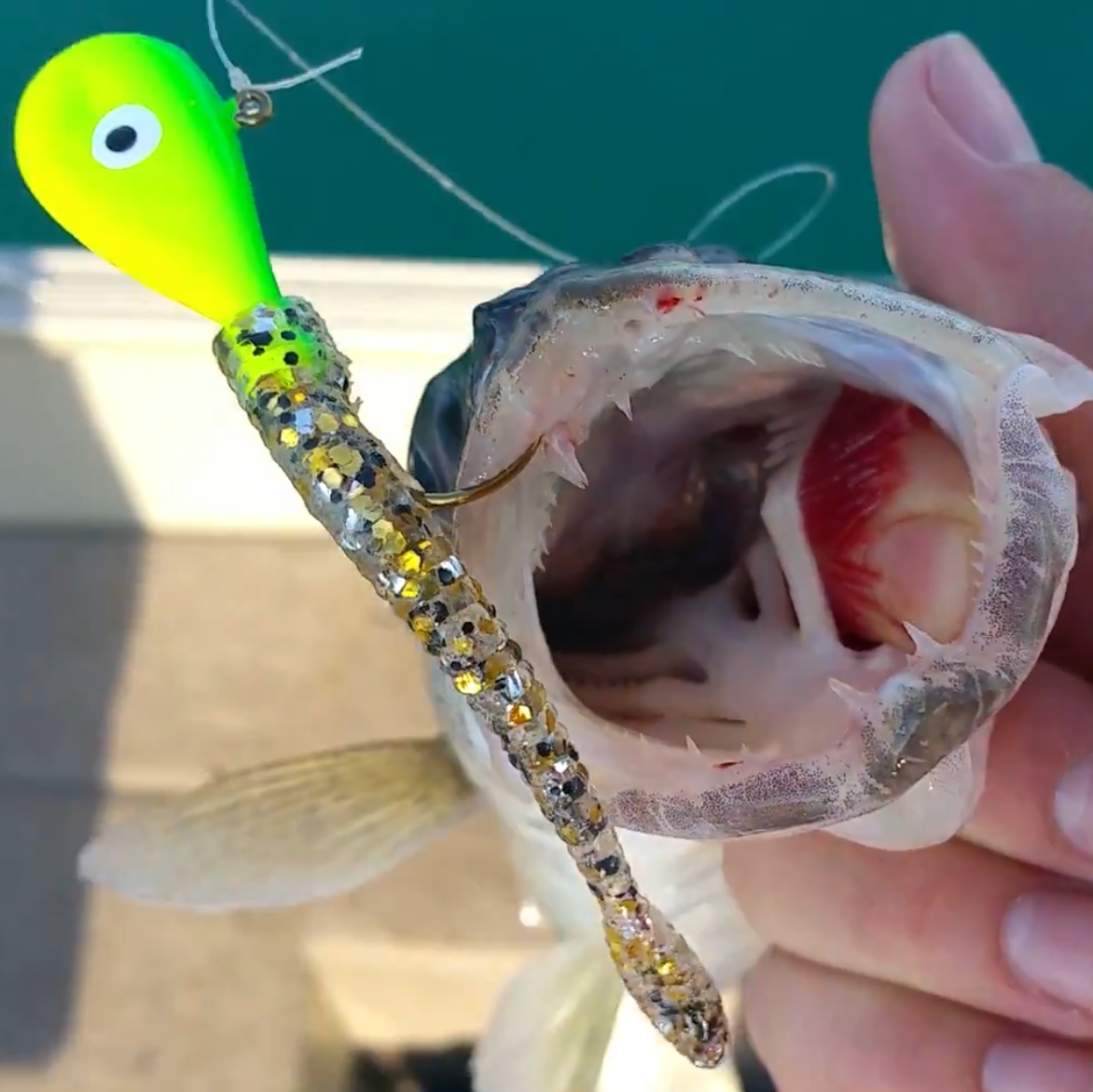
Be sure to be prepared and make sure you have proper fishing licenses for where you plan on fishing. Have fun and stay safe out there!