

Bead Fishing Steelhead Playbook:
Understanding Conditions and Color with Captain & Coach Chris Bosse of Hooked Guide Service.
There are many things in life that are not simply cut and dry. As in fishing there are many that aren't rig and tie. Bead fishing for steelhead and trout is one of these methods that may seem simple on the surface, but there is a lot of nuance to it. Beads come in many colours and sizes. A novice might be overwhelmed at the tackle shop and think that you might just need one size or color to call it good, but that is not the case.
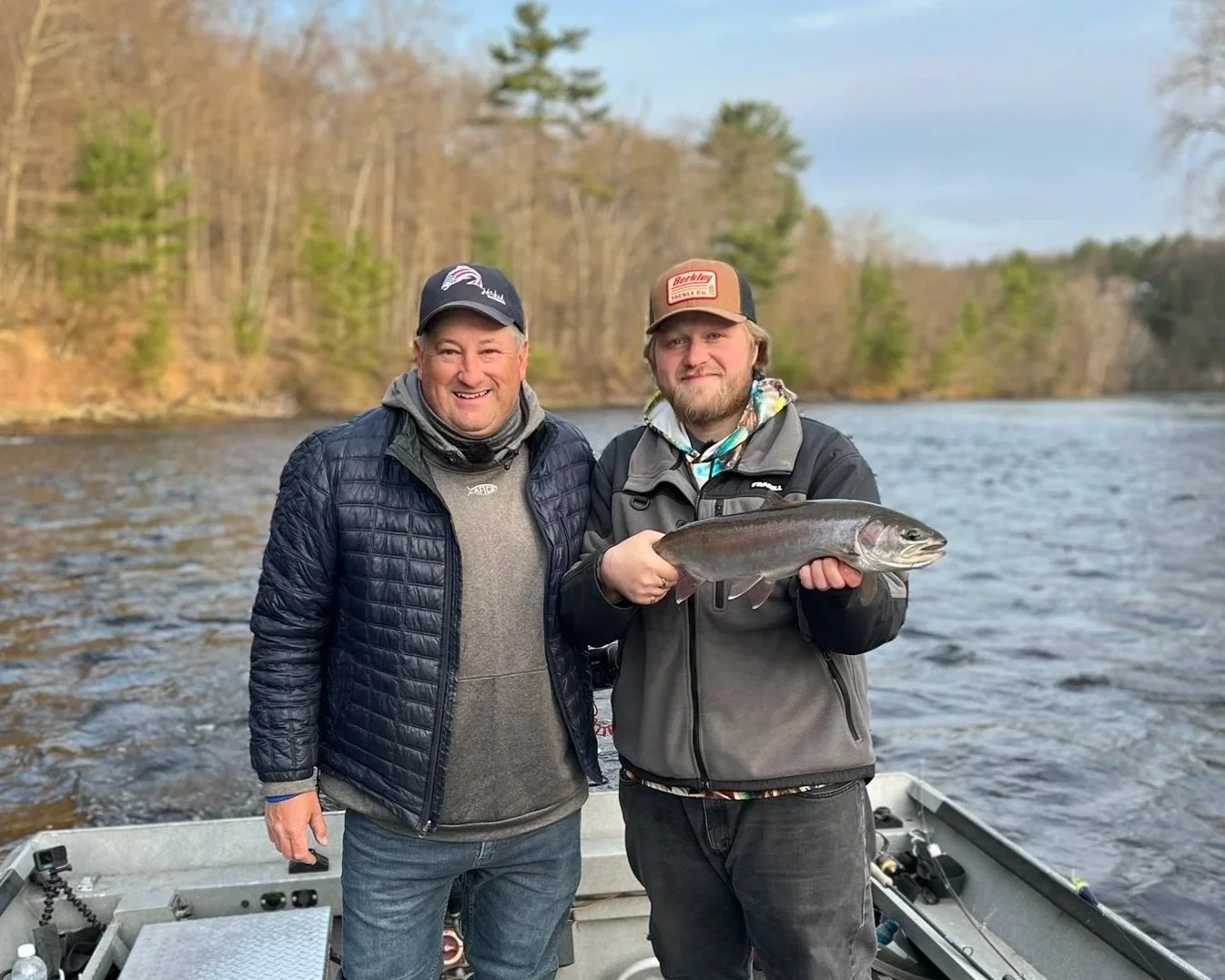
Captain Chris Bosse is a man of many hats. First and foremost, he is a licensed fishing guide in western Michigan, specialising in river fishing for steelhead, salmon, and more. In his professional background, he is an educator, athletics coach, and also a DJ. While this combination of career skills is unique, he has the abilities to effective instruction, whether it be serving a volleyball, teaching social studies, or- understanding the logic behind bead fishing steelhead.
Knowing the ins and outs can require some knowledge and research. This is a blend of play between size, color, weather conditions, drift mechanics, and timing, to demonstrate realism of a bead imitating an egg floating down river.
What it comes down to is seeing a bead pattern like you would any other pattern in fishing. This begins with analyzing conditions before picking a color.
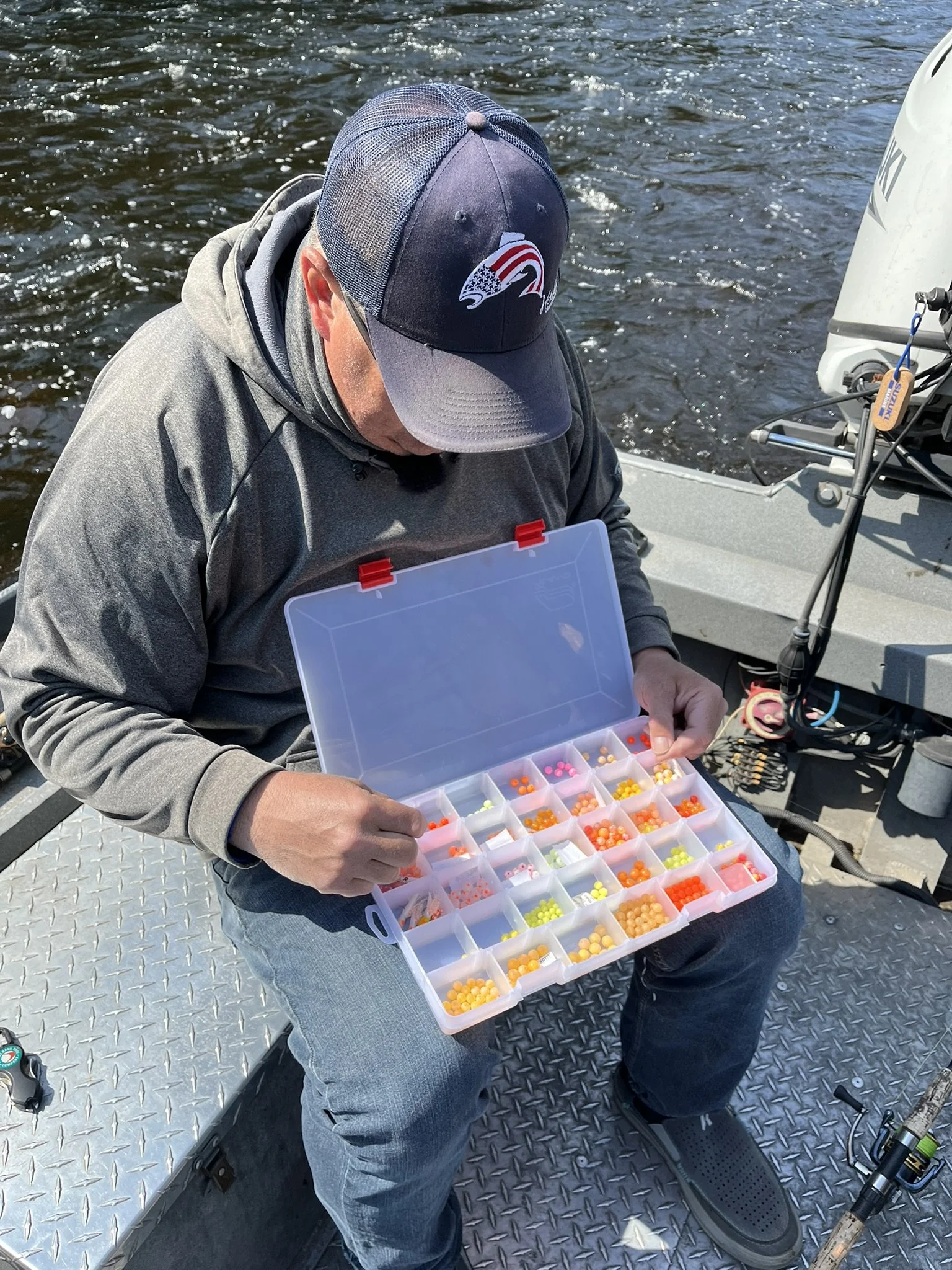
like the river is a game and a knowledgeable coach has a playbook making the calls. An experienced angler knows what to consider and when to call specific shots
Bead fishing, while might appear simple, is not a “grab one bag of a color” and you’re good to go. Understanding the formula to support results takes some thought and consideration. Instead of someone asking “what color should I be using?”, they really need to be thinking “what are the conditions playing to?”
“Anybody can use one- but it takes some knowledge to be really good and knowing when to switch it up. Small changes in the details go further than one might expect.”
Bead sizes and colors might seem like simple options, but the choice can leave a lot of room of potential ranging from wild smashing success to missing the mark.
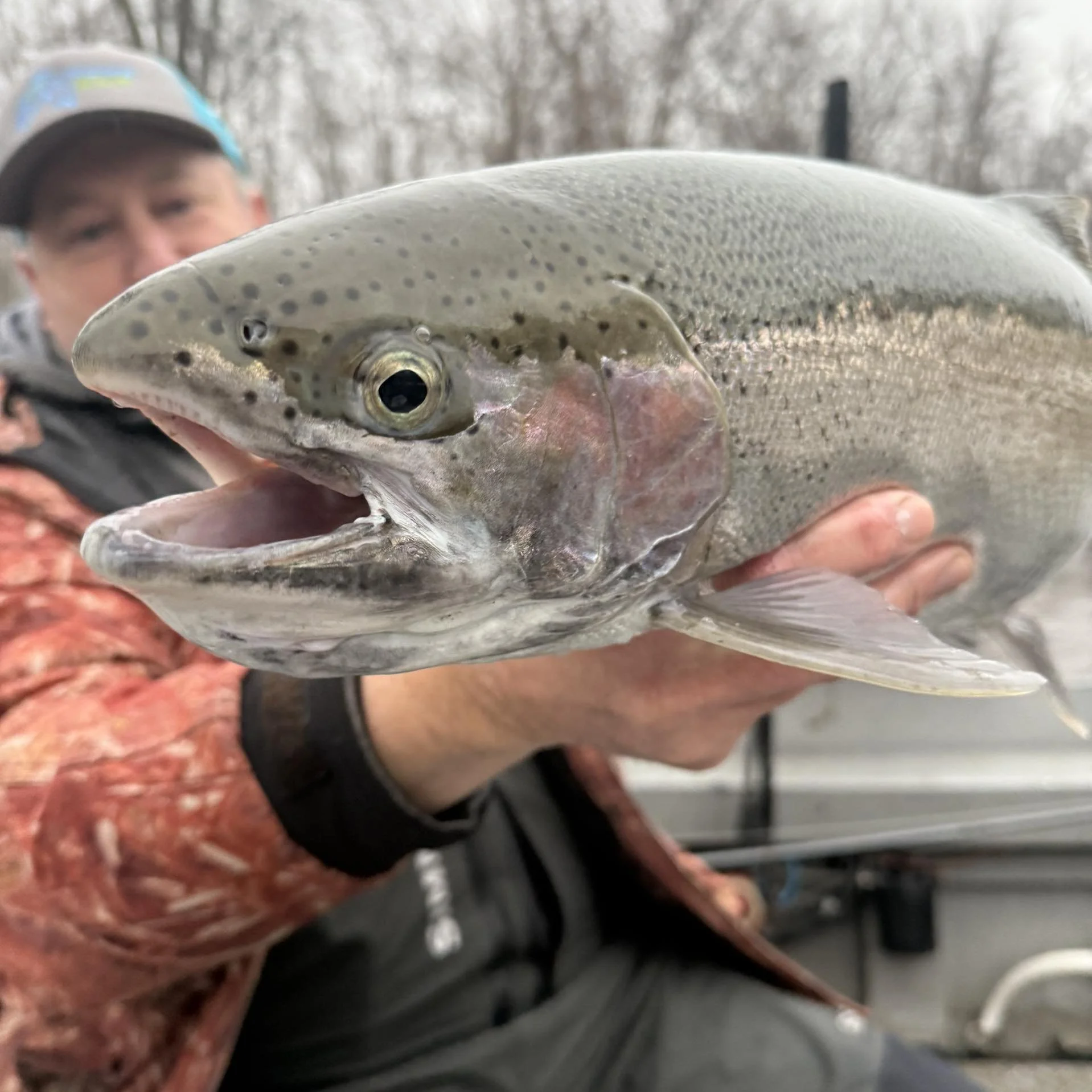
Steelhead are of the most highly-respected trophy gamefish. They demand respect and attention. Their beauty, allure, fighting power, and their often finicky taste. There are a myriad of factors leading to why these fish can be picky, especially when they have been in the river and seen a lot of bait come past their head. They are often weary fish. Conditional factors, such as clear water and fishing pressure must not be taken lightly.
On size
Smaller beads (6-8mm) tumble well in slower, clear water. With steelhead often having their guard up, a smaller offering appears to be low-risk, easy, and authentic, as a quick snack. In these circumstances, a rule of thumb to keep in mind is you want the fish to find the bead coming down rather than notice it.
In the inevitable conditions of runoff from a winter thaw and springtime showers, larger sized beads, (10-14mm) shine bright when the water is moving faster and is dirty. The profile will cast a silhouette more noticeable to fish in turbid conditions.
Bead size correlates to water flow and clarity.
On color
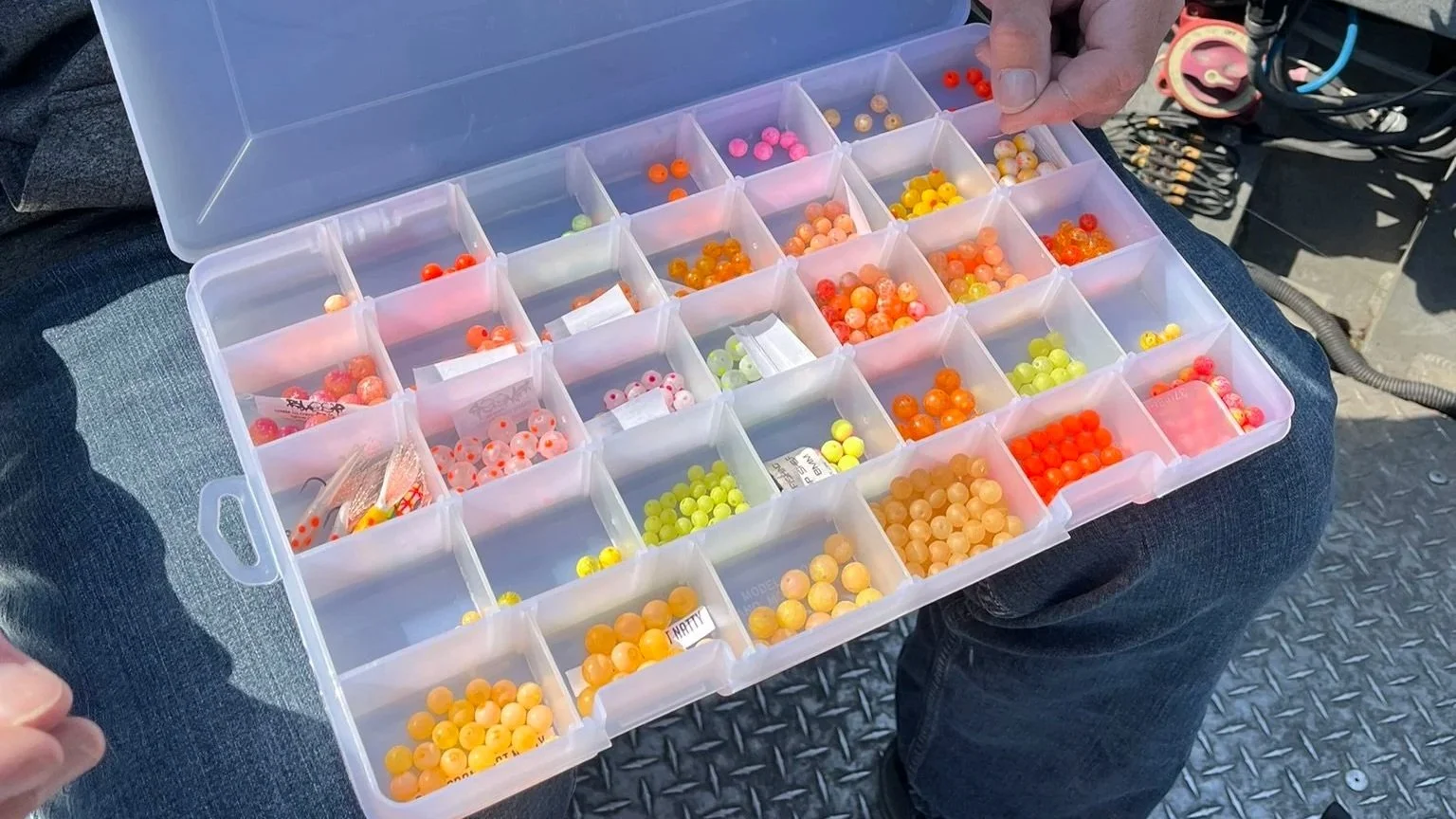
Tackle shops and tradeshows are loaded with different color options. It seems like the market has really exploded over the recent decade. With options such as pink-pookie, roe-sham-bo, egg-cellent, creamsicle, and more, where does a person start? First off- do not get hung up on the exact name and color specifics. Focus on the hue and tone of the bead.
In clear water, match the hatch with a natural tone, such as a translucent orange or peach color. Translucent or “see-through” beads allow light to pass through them, creating more of an illusion of a fresh, natural egg.
For stained water, something bright and solid, like a fluorescent orange or chartreuse stands out. Opaque colors refract light and create a bold silhouette moving through the water.
When it is cloudy with an overcast, opaque colors and ultraviolet (UV) paint, like apricot, shrimp, and egg yolk, are known to produce. Sticking out especially in low-light conditions, UV paint re-emits light and creates a glow that we cannot see, but the steelhead can.
Glow-in-the-dark beads have their time and place. While a UV color works great, they need daylight to shine bright. Glow beads act almost as a neon sign illuminating in the dark. For early morning drifts before sunrise, sessions that run into overtime past the sunset, or expeditions deep into the twilight, a glow-in-the-dark bead is a beacon of temptation in passing for a steelhead to slurp.
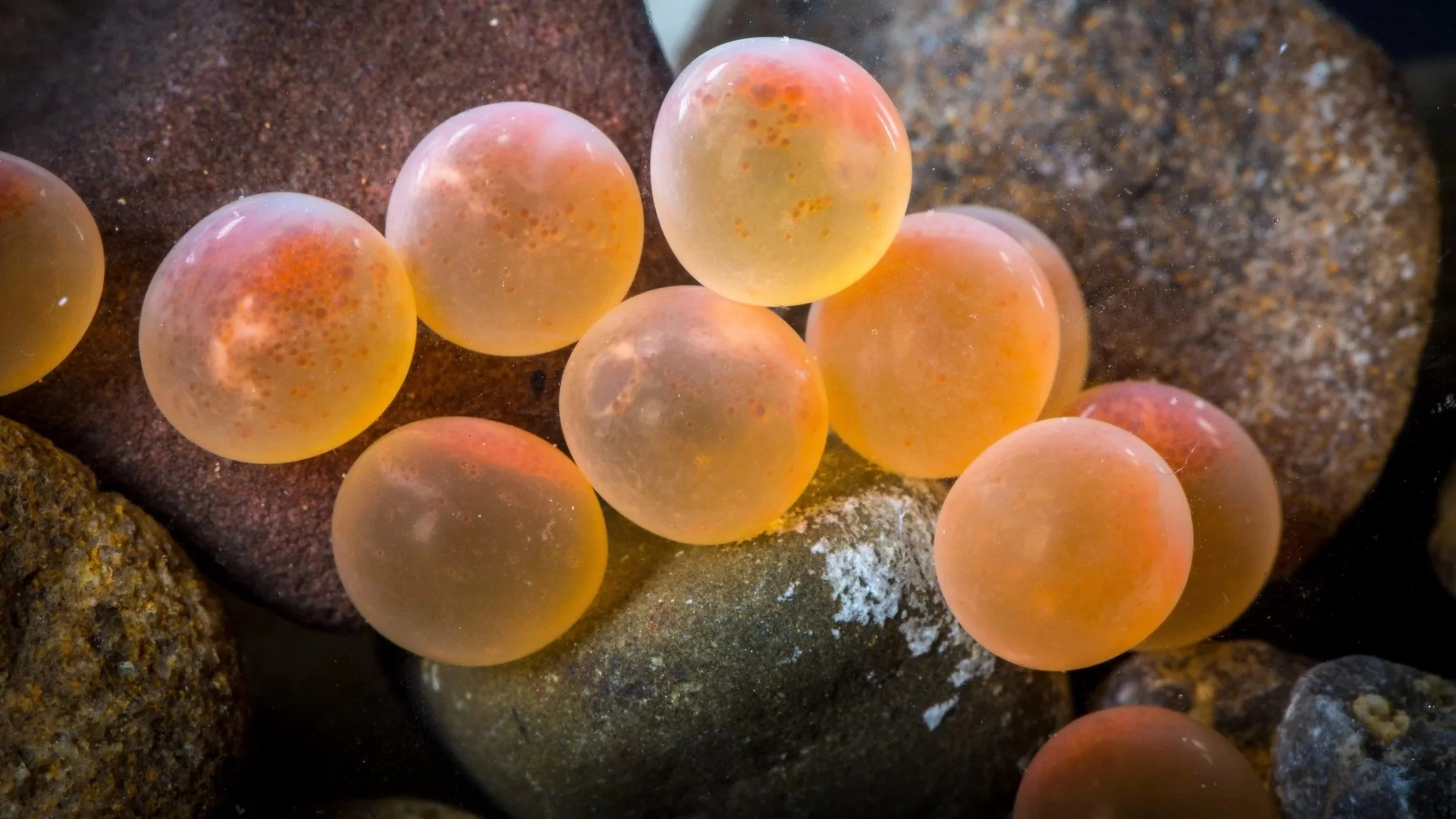
Photo Courtesy of NOAA.
Timing
Around the spawn- not just steelies. Being in tune with all things you do can carry someone, especially an angler, to achieving their goal with success. Steelhead are never the only fish in a given river system. They share the water with salmon, other trout, and more. Keeping this in mind, beads that resemble salmon roe (bright/hot orange/red) can work well throughout autumn, while tones that imitate brown trout roe (natural/pale/creamy/orange-yellow) in the spring.
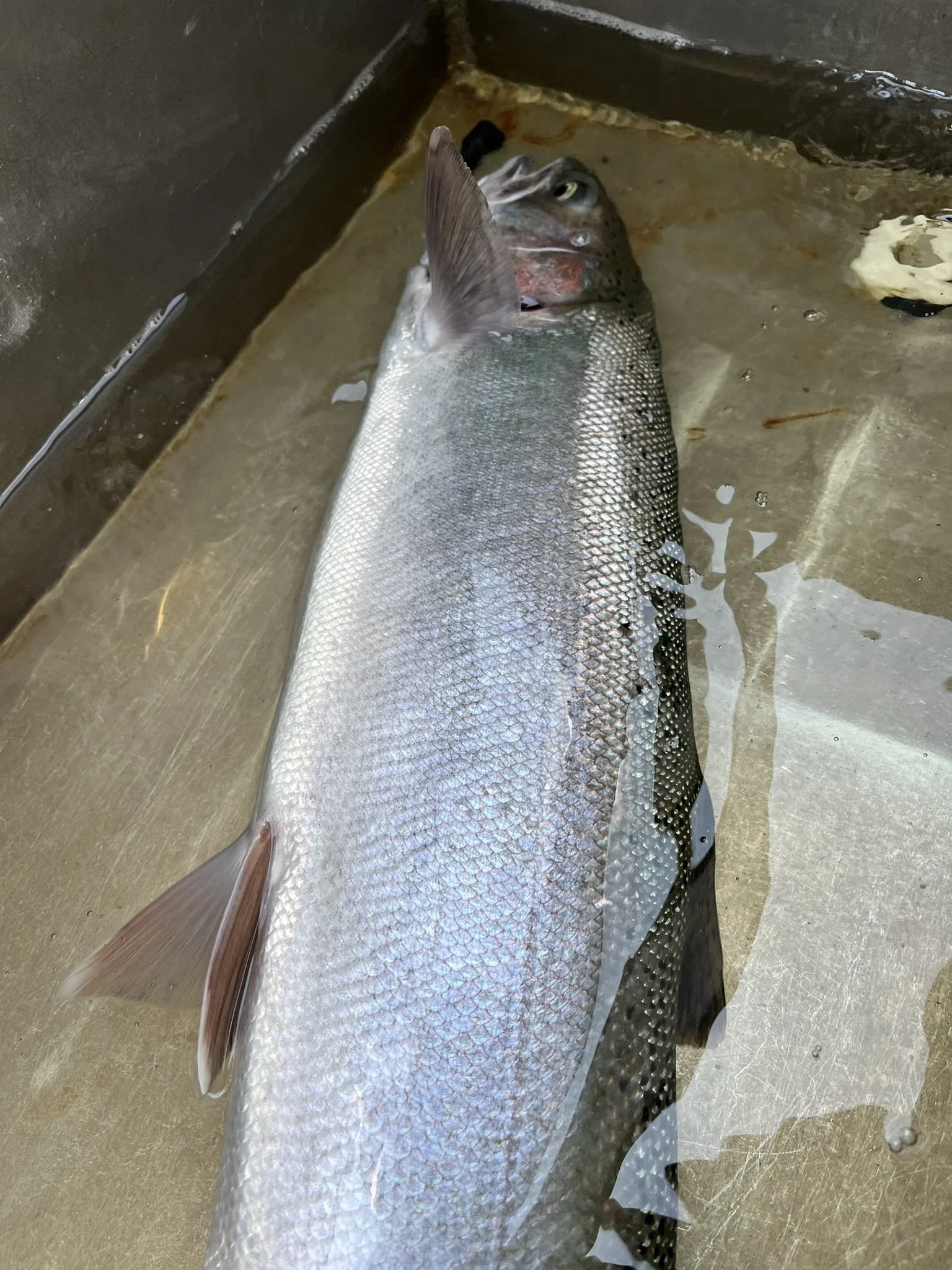
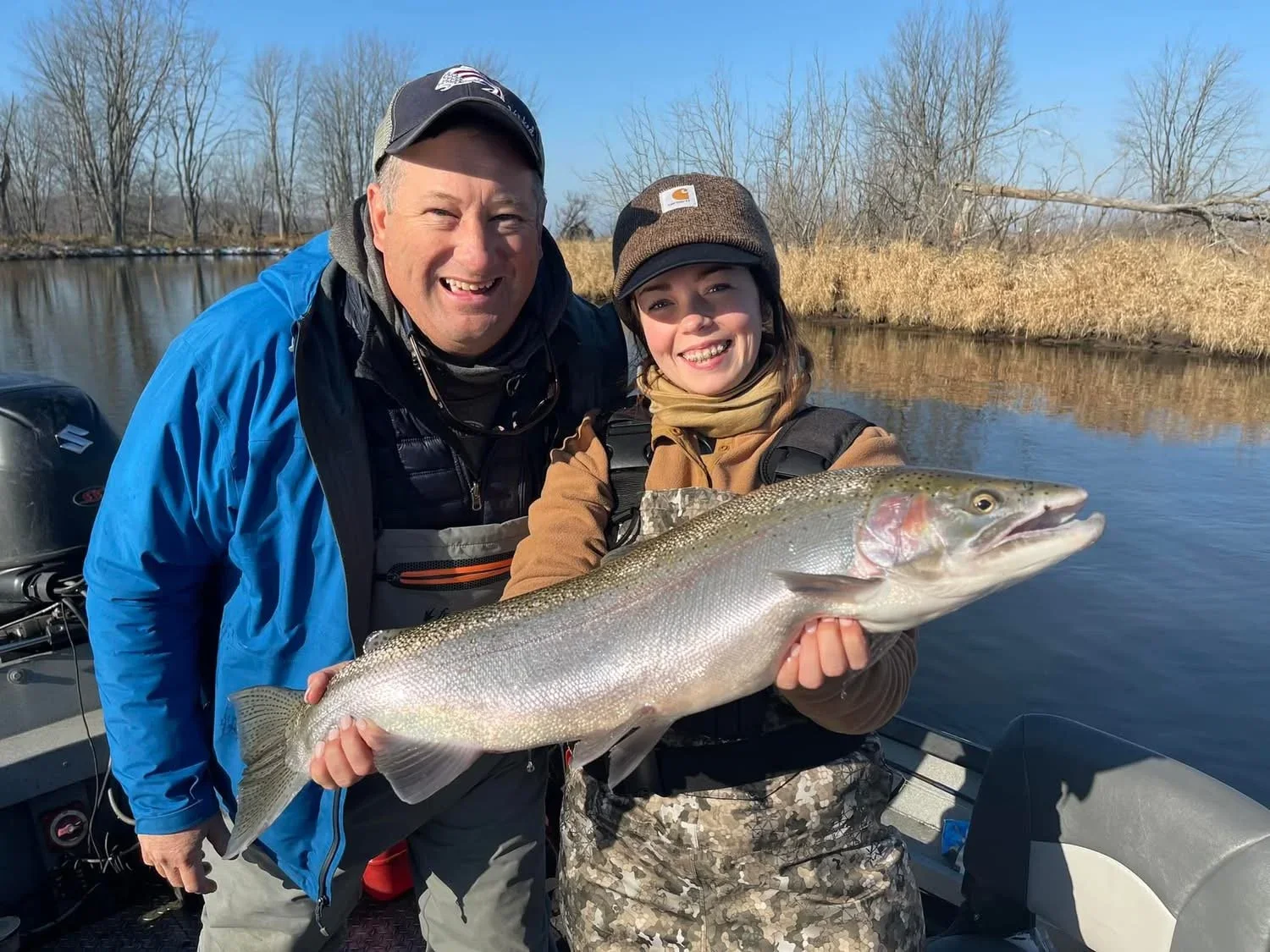
This late run steelhead fell victim to a cream colored bead that resembled a dead egg.
After being deposited from the mother fish, eggs will change in color over time. The longer they have had a soak, they will begin to discolor, going from a bright orange to a cloudy, chalky white appearance. Unfertilized, non-viable eggs will absorb water. This is why “washed” beads that may appear dead are used. Colors, like Oregon Cheese or egg yolk, have a promising reputation in western Michigan.
Especially in the winter time or towards the end of a seasonal run, dead eggs become a primary food source for later running steelhead.
Secondary senses in dirty water
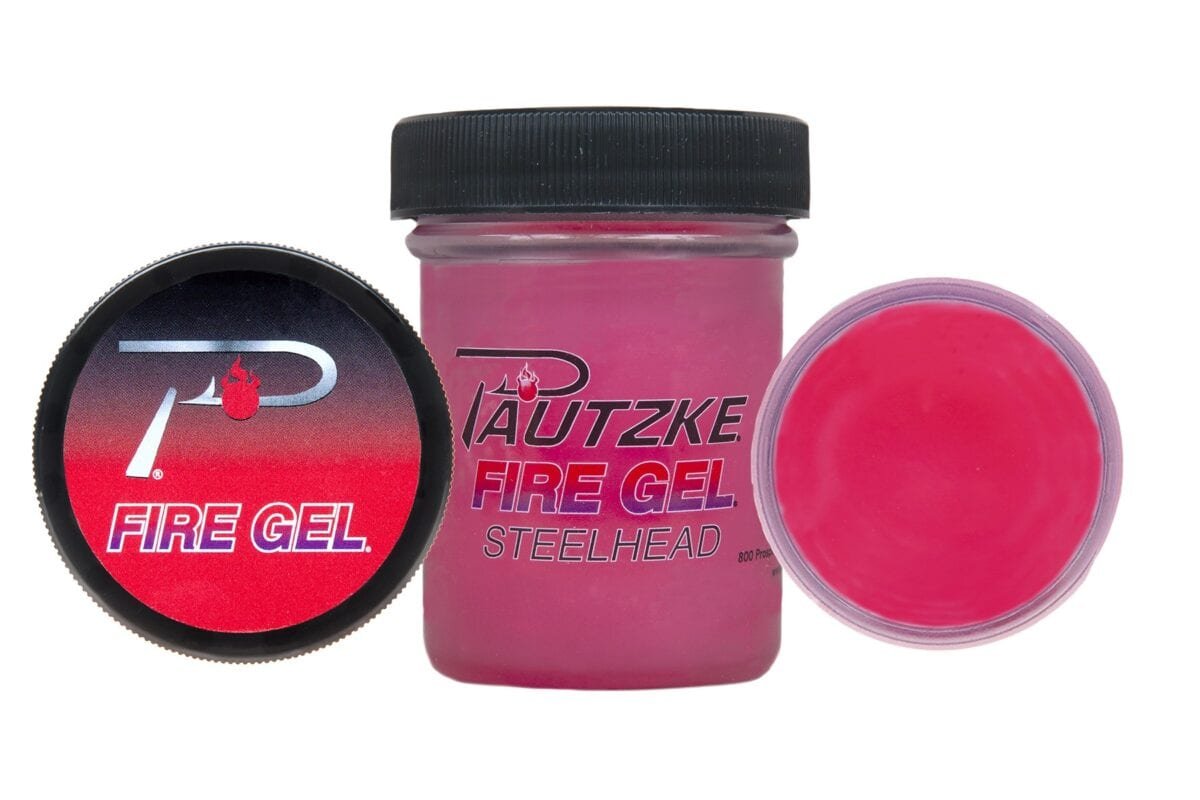
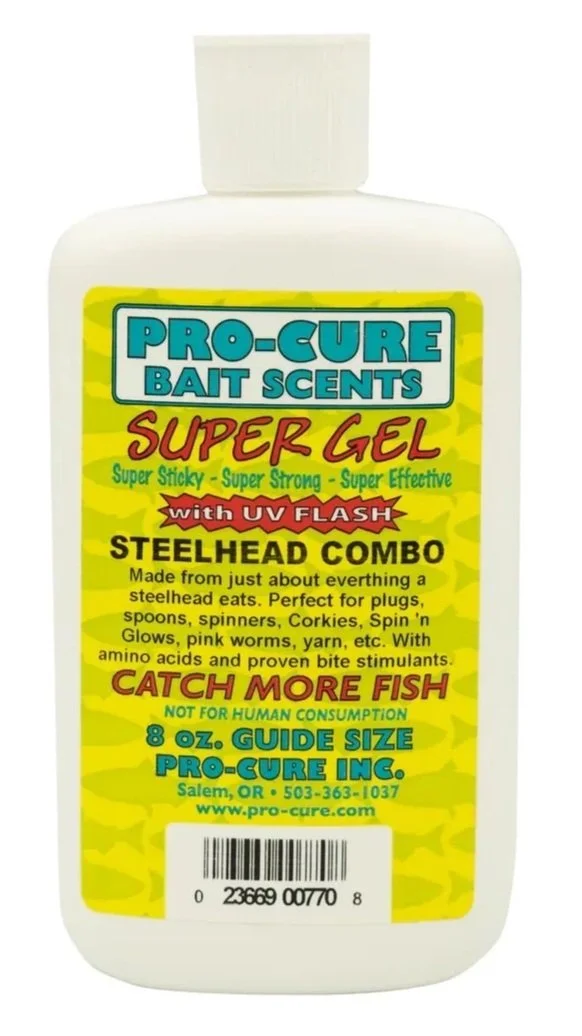
While sediment flowing downriver creates a cloud of obscurity for fish to find meal opportunities, employing a scent solution plays to an advantage. By adding a few drops or glaze of after-market scent, such as Pro-cure or Pautzke fire gel, steelhead will be able to detect the presentation better by smell. Even though these fish are primarily visual feeders, they can use all of their senses if need be.
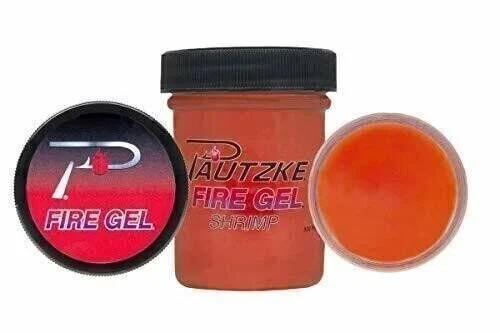
On drift mechanics
In the drift, the presentation must move at the pace of the current. Whether you are bottom bouncing or float fishing, using the proper weight and equipment so that the bead is not cruising too fast or slowly dragging near the bottom is very important. A bead that is large or having an inadequate amount of weight may drift ahead too fast, enabling a chance of a missed hook up.
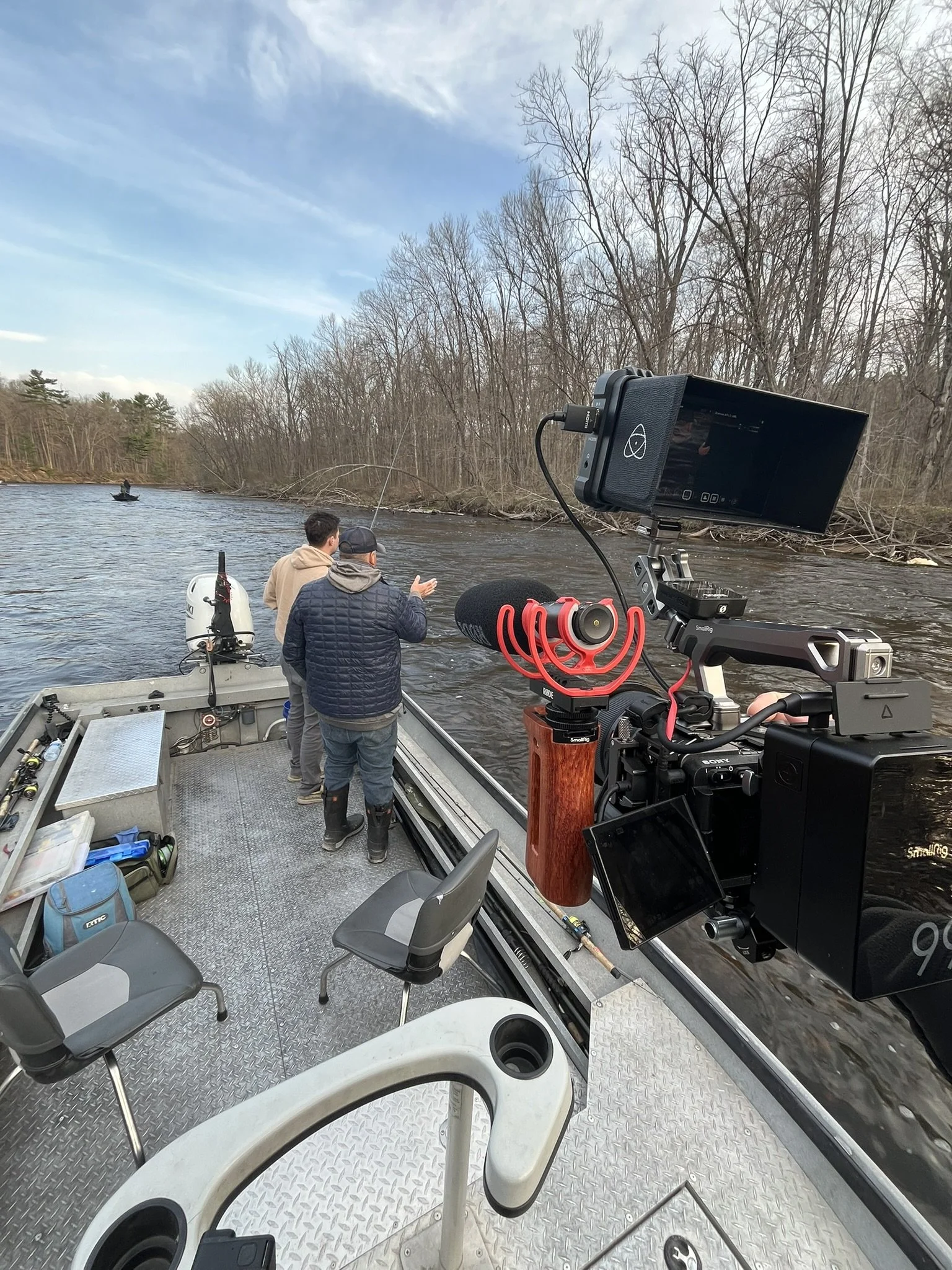
Capt. Chris does a phenomenal job at making the river his classroom.
With the nature of drift fishing in rivers, fluorocarbon line options are a go-to, especially for leaders. WIth invisibility and abrasion-resistant properties, fluoro helps deliver a natural presentation to often weary fish while withstanding being fish around rocks and river bottom.
Mainline options of using a braid or monofilament work well, as these choices float to assist the drift. Like all things, it is a give and take. Braid, also known as superline, allows driving connections on a hookset with zero-stretch and high sensitivity to detect bites. Braid does the best for setting the hook on longer drifts. Monofilament is sensitive but has a stretch factor to consider. Some anglers prefer having for the stretch for playing fish out so that the hook stays connected and does not pull out under pressure.
When river fishing and drifting, a long rod is crucial. Rod length often depends on the river size and how far out and away an angler will be fishing. For the large Michigan rivers, steelhead rods generally start around 9’in length and sometimes pass 13’. This is to make appropriate casts and carry the line with the drift.
When fishing like this, you do not want to have extra line under the water because it will drag and create a bow, leading to an unnatural presentation, missed bites and often, more hang ups. This is why having a floating mainline is critical to allow a natural drift.
Hooked Guide Service is Foresight Fishing Certified based on success, professionalism, safety, and commitment brought forth to others.
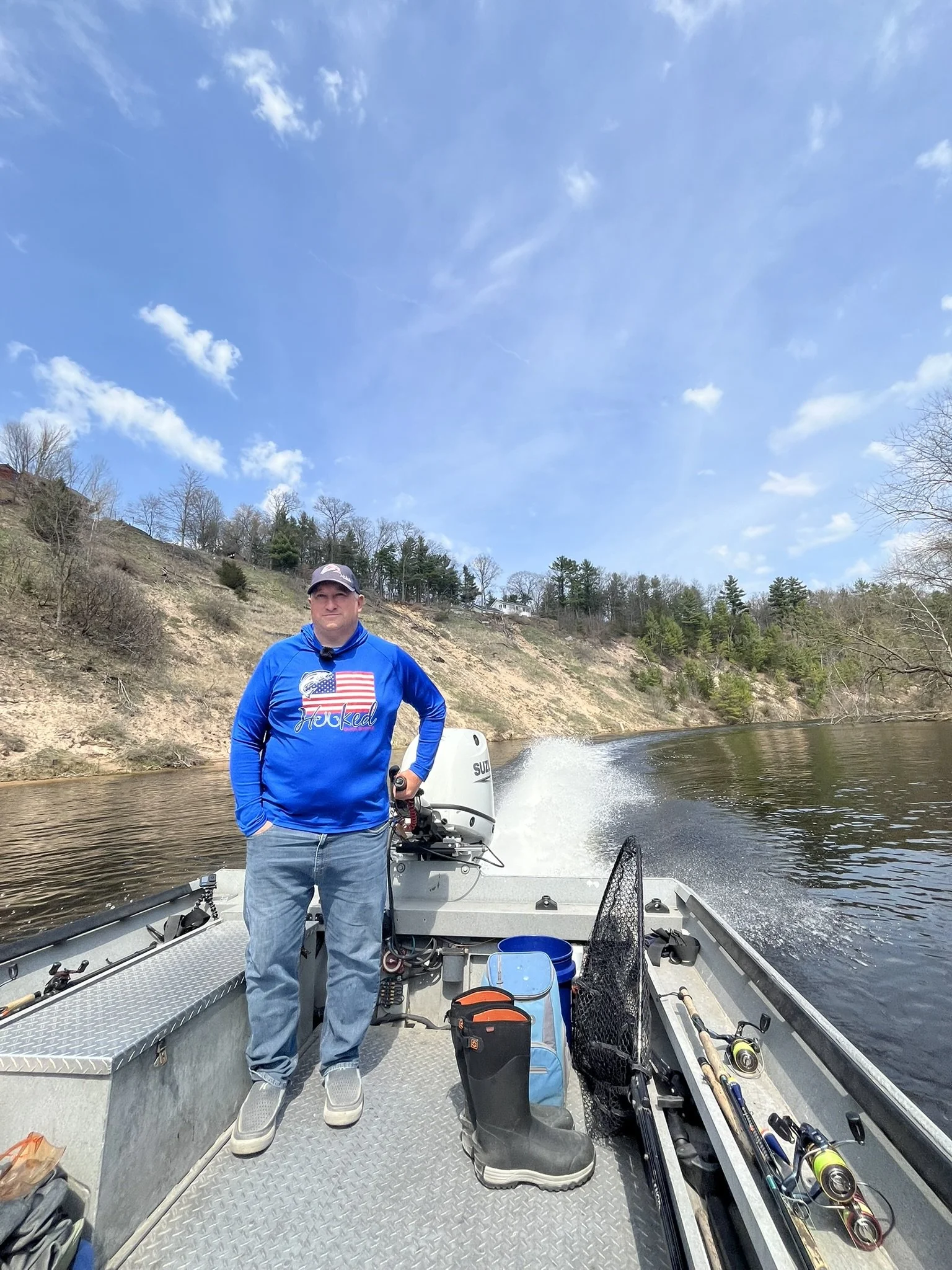
Captain Chris Bosse, Hooked Guide Service Call: (231) 301-1738
〰️
Captain Chris Bosse, Hooked Guide Service Call: (231) 301-1738 〰️
Getting Hooked Up
Captain Chris Bosse of Hooked Guide Service brings over three decades of experience guiding steelhead and salmon on West Michigan rivers. He shares that a lot more can go into float fishing and drifting beads than many people expect.
For booking a trip with Hooked Guide Service, message him on Facebook or call/text (231) 301-1738 to schedule an outing. Whether you're planning a family trip, a solo adventure, or a group excursion, Captain Chris is ready to provide you with an exceptional experience on his 18’ custom-built, Headwater boat. Steelhead trips are offered the Muskegon River through the winter into spring. Additional excursions available include multi-species river trips, and salmon adventures from late summer into fall. Whether you are new or experienced, he provides a great service and a good time.
“Look no further. Chris is THE guide you want for your next fishing trip. He took my wife and me out, where we caught massive pike (biggest fish I’ve ever caught). Chris was knowledgeable, patient, funny, and by the end of the night, we were casting like pros. We got back late, and he cleaned our fish at 10pm! I will continue to use Hooked Guide Service for every fishing trip from now on every time we visit Michigan.”
Don't miss the opportunity to create lasting memories while enjoying the natural beauty and abundant fishing opportunities that Michigan’s west side has to offer. Book your adventure with Hooked Guide Service today! Foresight Fishing would like to take a moment and acknowledge Capt. Chris for sharing his knowledge, experience, and services. There are a lot of good captains out there, but he puts in the extra work and care to make him considered and respected as exceptionally great at what he does.